This book focuses on sustainable agro and food technologies for the northeast region of India and provides holistic insights into relevant and contextual scientific and technical advances in the agro-food sector.
This book covers sugar, salt and milk fat from a chemical perspective, and presents an overview of the role of these ingredients in our food, focusing on their flavors, satiety-inducing properties, nutritional impact, and health effects.
This book presents the major therapeutic applications of modified rice bran arabinoxylan compound (RBAC) in cancer as well as other chronic inflammatory diseases.
This book addresses special lipids produced by chemical and enzymatic interesterification and explores the interesterification process and its crucial role in the modification of oils for various applications.
The use of nanomaterials in food packaging is a rapidly advancing area with massive potential for increasing shelf life and improving the safety of food products.
This book offers a comprehensive overview of bioactive phytochemicals within by-products from leaf, stem, root, and tuber vegetables, and it explores the valorisation of these vegetable cultivation and processing by-products, not only as a source of valuable bioenergy but also for health purposes.
Rice is a fundamental principal food for more than half of the world’s people, providing more than 20% of the calories consumed globally, particularly in Latin America and West Indies, the Middle East, and Southeast Asia.
Insects have been consumed by various cultures across the globe for centuries, yet their potential as a sustainable and nutritious food source has only recently gained widespread attention.
This book offers a comprehensive exploration of food and dairy process engineering, catering to a diverse audience ranging from students and budding engineers to seasoned professionals in the food industry.
Insects have been consumed by various cultures across the globe for centuries, yet their potential as a sustainable and nutritious food source has only recently gained widespread attention.
This book collates bioactive compounds from the by-products of bulb, flower and fruit vegetables, and it explores vegetable processing by-products utilization.
This book collates bioactive compounds from the by-products of bulb, flower and fruit vegetables, and it explores vegetable processing by-products utilization.
This book covers sugar, salt and milk fat from a chemical perspective, and presents an overview of the role of these ingredients in our food, focusing on their flavors, satiety-inducing properties, nutritional impact, and health effects.
This book highlights the science underlying honey, which is central to an understanding of conventional medicine or ingredients of food used mostly in all societies and it is attracting increasing interest among food scientists and professionals worldwide.
This book offers a comprehensive exploration of food and dairy process engineering, catering to a diverse audience ranging from students and budding engineers to seasoned professionals in the food industry.
Rice is a fundamental principal food for more than half of the world’s people, providing more than 20% of the calories consumed globally, particularly in Latin America and West Indies, the Middle East, and Southeast Asia.
Nutraceuticals and bioactive compounds are gaining increased attention from scientists, industry professionals, and consumers for their significant biological functions and health benefits beyond basic nutrition.
Access the Latest Advances in Food Quality Optimization and Safety AssuranceThermal processing has undergone a remarkable amount of research throughout the past decade, indicating that the process not only remains viable, but that it is also expanding around the world.
This handbook of nutrition and diet provides information on food nutrients and their functions; food safety and distribution; food composition, consumption and utilization; adequacy of diet; and the nutritional management of diseases and disorders.
While the science of yogurt is nearly as old as the origin of mankind, there have been rapid changes in yogurt development since the turn of the 19th century, fueled by continuing developments in biological sciences.
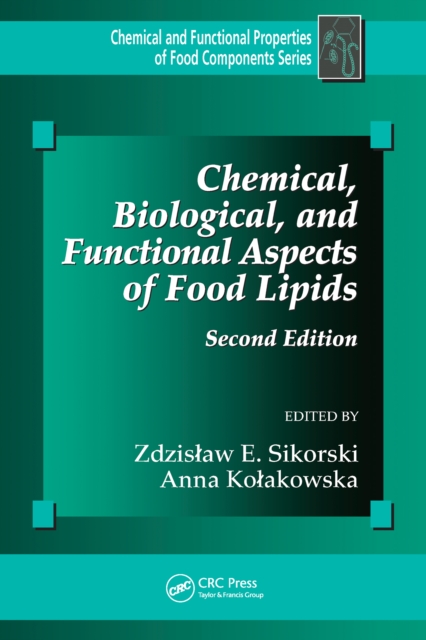
Based on years of academic and industrial research by an international panel of experts, Chemical, Biological, and Functional Properties of Food Lipids, Second Edition provides a concise, yet well-documented presentation of the current state of knowledge on lipids.
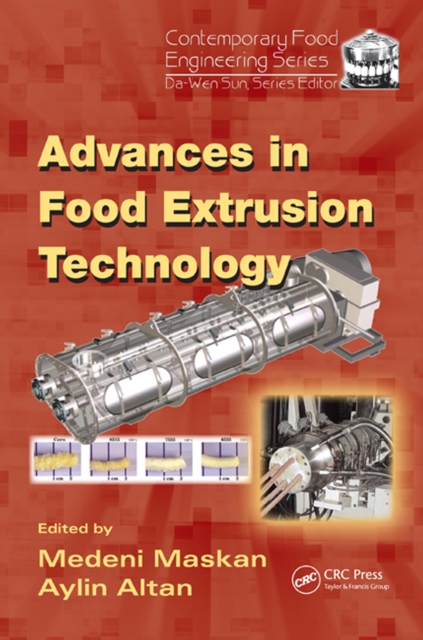
A fresh view of the state-of-the-art, Advances in Food Extrusion Technology focuses on extruder selection, extrudate development, quality parameters, and troubleshooting in the 21st century extrusion process.
Covers a Host of Groundbreaking TechniquesThermal processing is known to effectively control microbial populations in food, but the procedure also has a downsideit can break down the biochemical composition of foods, resulting in a marked loss of sensory and nutritional quality.
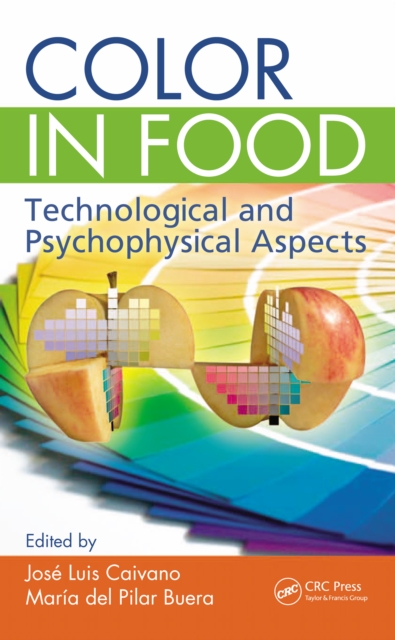
Controlling, measuring, and "e;designing"e; the color of food are critical concerns in the food industry, as the appeal of food is chiefly determined visually, with color the most salient visual aspect.
Processing Foods: Quality Optimization and Process Assessment provides a large body of updated information - helping researchers and industrialists make use of new concepts, technologies and approaches that are at the heart of modern food research.