In the Beginning (1957) represents a series of lectures given by the author at Cornell University, examining the views of the Ancient Greeks on the central foundation myths of their civilisation.
Abu Hanifa lived the greater part of his academic life under the Umayyad state, and the other half he lived under the Abbasid state, and thus he witnessed the events that took place in each of these two eras.
This work offers a "e;symposium"e; on the nature of human sexual difference drawing on Plato's masterpiece: having explored the observed phenomena of sexual difference, four stories are told of the origins, essence, and ends of the human male and female.
This work offers a "e;symposium"e; on the nature of human sexual difference drawing on Plato's masterpiece: having explored the observed phenomena of sexual difference, four stories are told of the origins, essence, and ends of the human male and female.
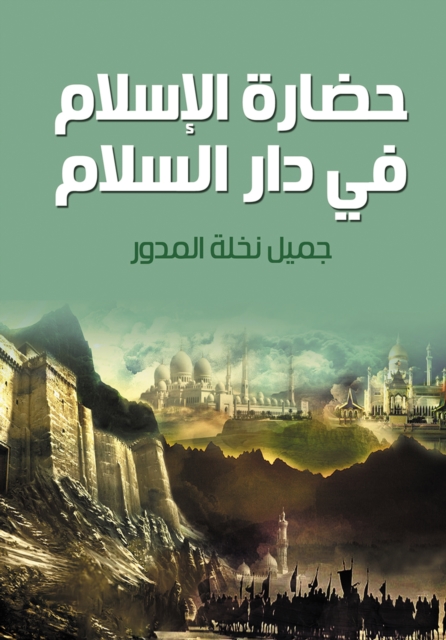
These are letters in which their author described an era of Islam, in which the light of knowledge shone, and in which great deeds were carried out, carried out by great men who filled the world with traces of their beauty.
This second edition of Happiness Across Cultures contains 8 brand new chapters on previously uncovered topics, such as Covid19, refugees, and violence.
This second edition of Happiness Across Cultures contains 8 brand new chapters on previously uncovered topics, such as Covid19, refugees, and violence.
This third collection of Charles Schmitt's articles complements the previous two and consists largely of studies published in the last few years of his life.
First published in 1917, Theophrastus and the Greek Physiological Psychology Before Aristotle is on the history of ancient Greek physiological psychology.
Shortly after 500 CE, the Syriac-speaking priest and physician Sergius of Resh'aina, who had studied in Alexandria, wrote the first known exposition of Aristotle in a Semitic language.
Dans l'histoire de la pensee chretienne, saint Bonaventure se distingue comme le plus eminent philosophe franciscain du XIIIe siecle et une figure cle du developpement de la theologie spirituelle de l'Eglise.
The Analects - Confucius - The Analects meaning "e;Selected Sayings"e;), also known as the Analects of Confucius, the Sayings of Confucius, or the Lun Yu, is an ancient Chinese book composed of a large collection of sayings and ideas attributed to the Chinese philosopher Confucius and his contemporaries, traditionally believed to have been compiled and written by Confucius's followers.
Originally published in 1957 and as a fourth edition in 1970 this is an accessible history of Byzantium from Constantine the Great to its final conquest by the Ottoman Turks in 1453.
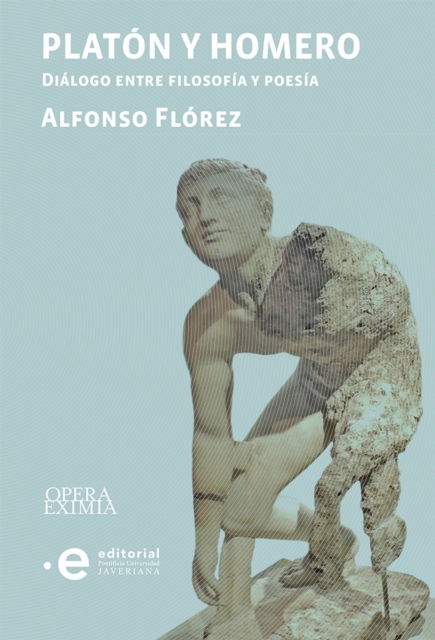
A diferencia de la mayoría de los estudios que se han hecho sobre estos dos autores clásicos, que se centran en su complicada relación, el autor argumenta que los Dialogos de Platón, constituyen la finalización de la obra de Homero, en específico La Iliada.
This text guides the reader through the many forms of shiftwork, adopting a broad definition as being any regularly-taken employment outside the "e;day working window"e; 06.
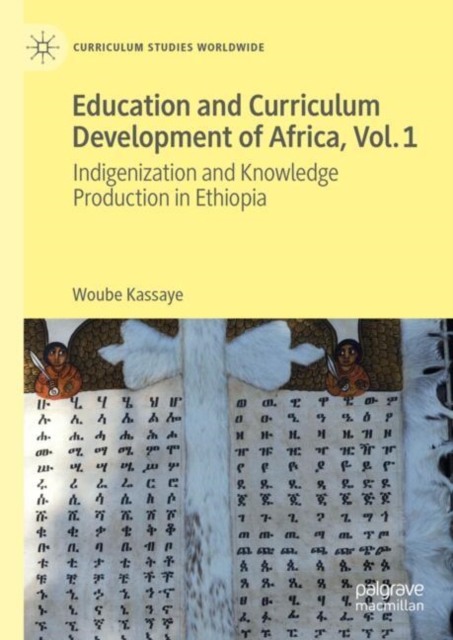
This book, the first of two volumes, focuses on the conceptualization of Indigenous Knowledge and Curriculum, Ethiopian/African Philosophy and the possibilities of Indigenization/Africanization of African Education.
This book, the first of two volumes, focuses on the conceptualization of Indigenous Knowledge and Curriculum, Ethiopian/African Philosophy and the possibilities of Indigenization/Africanization of African Education.
Hallo, heute beschäftigen wir uns mit dem ungeliebtesten Philosophen unserer Zeit, René Descartes, und indem wir versuchen zu verstehen, warum er so ungeliebt ist, werden wir herausfinden, wie viel die Ablehnung von Descartes über unsere Zeit aussagt.
In seinem neuen Essay über menschliche Existenz im Spannungsverhältnis zwischen Selbstfindung und Selbstverfehlung fragt Emil Angehrn: Wann sind wir in Wahrheit wir selbst?