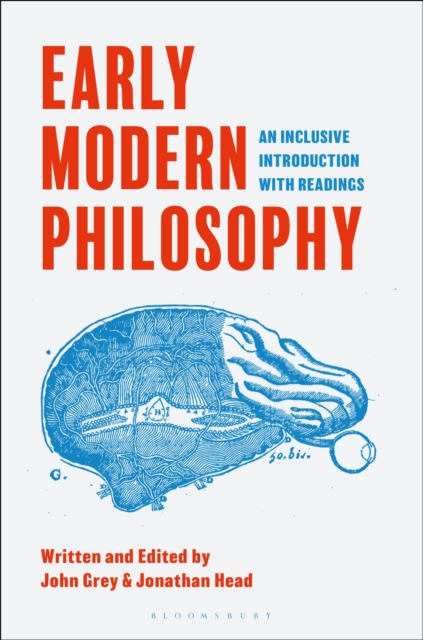
For anyone in search of the philosophers who influenced one of the richest moments in Western intellectual history, this inclusive reader is the place to start.
For Walter Benjamin and Gilles Deleuze, who both authored seminal theoretical works on early cinema and photography, the history of modern media begins much earlier, in Baroque culture and science.
Tauchen Sie ein in die faszinierende Welt der Bonsai-Kunst und entdecken Sie die Weisheit, die in den kleinen, perfekt geformten Bäumen verborgen liegt.
Kant's Transcendental Semantics is a translation of the most influential monograph on Kant published in Brazil, one that launched the "e;Semantic School"e; in a country with a thriving tradition of Kant scholarship.
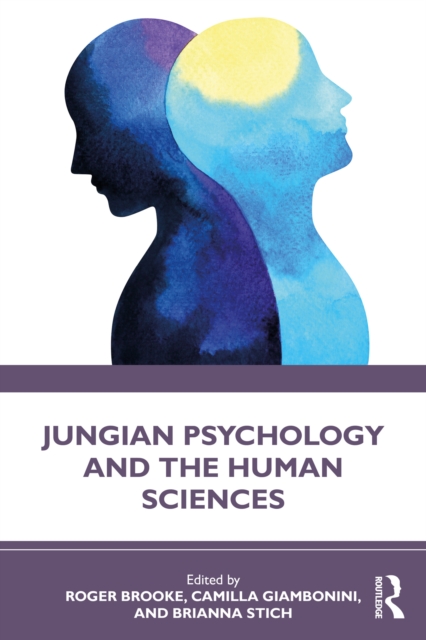
This volume brings together selected papers from the 2021 IAJS conference focusing on Jungian psychology's place within the broader human science field, with contributions providing an interdisciplinary examination of fields such as psychoanalysis, feminism, critical thought, and eco-psychology.
In order to preserve contemporary understandings of the sciences, many figures of the Divine Action Project (DAP) held that God could never violate or suspend a law of nature, causing the marginalization of miracles from scholarly theology-science dialogue.
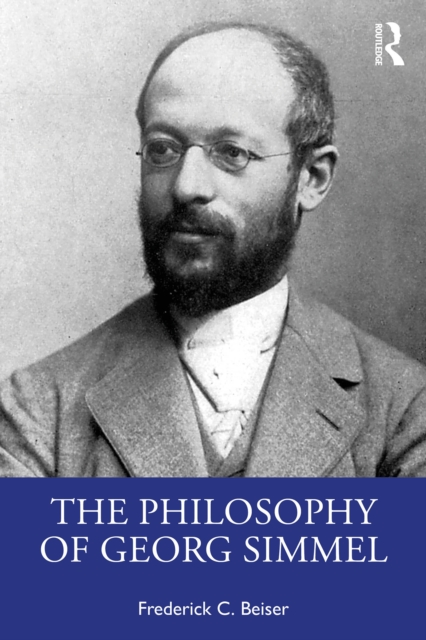
In this ground-breaking work, Frederick Beiser argues that Georg Simmel was one of the foremost yet overlooked philosophers of the late 19th and early 20th centuries.
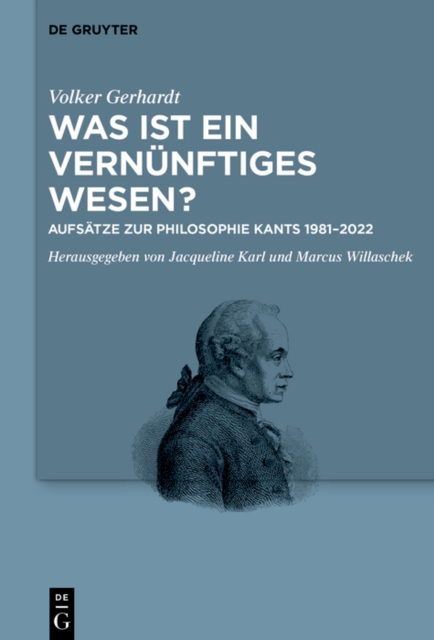
Hier erstmals zusammengefasst, sind rund 20 der wichtigsten Aufsätze zur Philosophie Immanuel Kants von Volker Gerhardt aus fünf Jahrzehnten, die in verschiedenen Publikationen verstreut, teilweise schwer und kaum noch zugänglich sind.
Wittgenstein used the concept of language games to refer to all forms of linguistic expression in practical contexts and to the myriad ways in which signs are used in language.
This accessible textbook provides therapy students and practitioners with an understanding of postmodern theories, founders, and practical applications to family therapy.
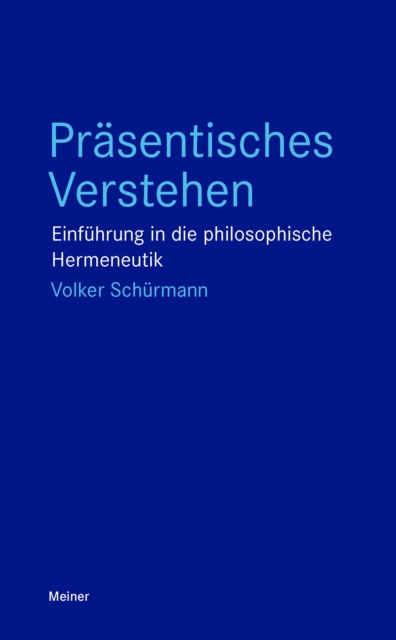
Anliegen dieses Buches ist es, den Unterschied zwischen Verstehen und Erklären verständlich zu machen und in die Hermeneutik als Lehre des Verstehens einzuführen.
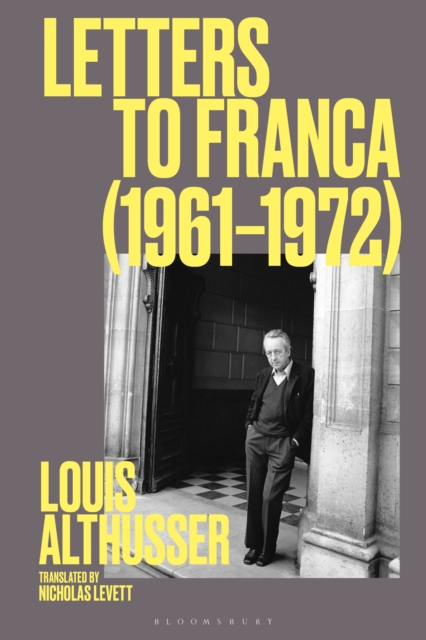
Letters to Franca offers an extensive selection from the 500 or so extraordinary letters Louis Althusser addressed to Franca Madonia between 1961 and 1972, the most productive period in Althusser's life and the time when his most characteristic works were being elaborated and first received.