Combinación de doctrinas mitológicas egipcias con un lenguaje filosófico griego, el hermetismo nació como un culto sincrético al divino y «tres veces grandísimo» Hermes-Thot, bajo la advocación del legendario Hermes Trismegisto.
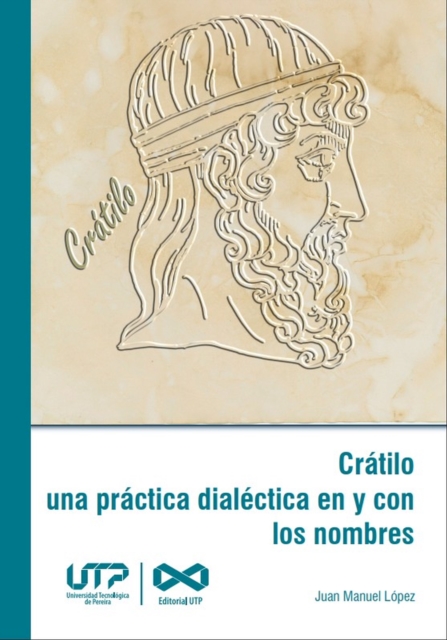
El texto aborda el problema de la dialéctica como una práctica discursiva valiéndose de una reflexión sobre el lenguaje, la cual se consigna a lo largo de Crátilo.
Discover a Vibrant Path to Lasting Joy Rooted in RealityImagine a life where hope and happiness thrivenot on wishful thinking, but on a solid foundation of science and reason.
This book examines the enduring legacies of slavery, colonialism, and apartheid, arguing that these are not merely historical events but ongoing injustices shaping systemic racism today.
This book examines the enduring legacies of slavery, colonialism, and apartheid, arguing that these are not merely historical events but ongoing injustices shaping systemic racism today.
Fusing critical social theory to critical and political phenomenology, Political Poverty presents a substantial contribution to current discussions on democratic inequality, political agency, political exclusion, and the role of experience in critical theorizing.
Fusing critical social theory to critical and political phenomenology, Political Poverty presents a substantial contribution to current discussions on democratic inequality, political agency, political exclusion, and the role of experience in critical theorizing.
This highly novel volume reframes the popular, yet sorely under-theorised international education movement known as forest school, offering an interdisciplinary framework with which to set apart forest school from other outdoor education programmes and child-led pedagogies.
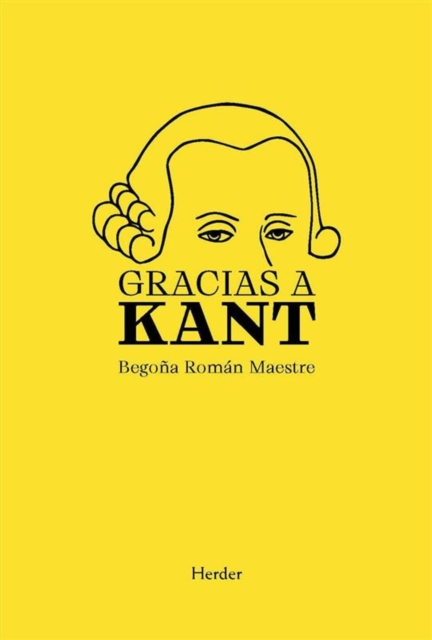
En este texto, Begoña Román nos advierte que nada está conquistado para siempre y por ello, es necesario volver a grandes pensadores, como Kant, no solo porque hacen las preguntas eternas, sino porque ofrecen una respuesta que contribuye a mejorar la anterior y a progresar en el conocimiento liberándonos de errores y descubriendo nuevas vetas a explorar.
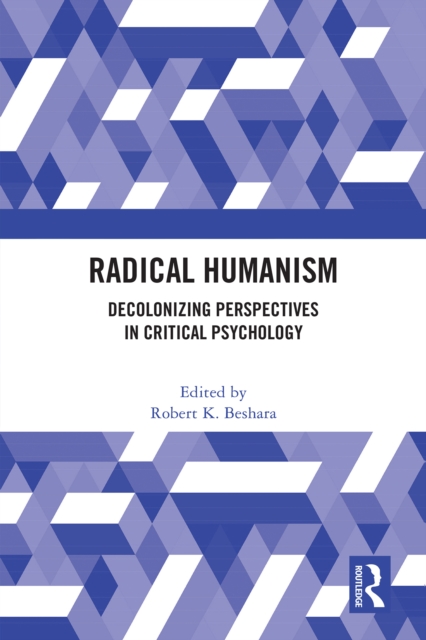
Radical Humanism uses concepts from Marxism, anarchism, critical theory, psychoanalysis, and African, Asian, and Latin American philosophies to critique bourgeois, liberal, and Eurocentric humanism(s) from the perspectives of Indigenous studies, Black studies, and postcolonial/decolonial studies.
This highly novel volume reframes the popular, yet sorely under-theorised international education movement known as forest school, offering an interdisciplinary framework with which to set apart forest school from other outdoor education programmes and child-led pedagogies.
Discover a Vibrant Path to Lasting Joy Rooted in RealityImagine a life where hope and happiness thrivenot on wishful thinking, but on a solid foundation of science and reason.
In this 9th edition of Core Questions in Philosophy, Elliott Sober and Joel Velasco use an engaging lecture-style format to show students how philosophy is best used to evaluate many different kinds of arguments and to construct sound theories.
Radical Humanism uses concepts from Marxism, anarchism, critical theory, psychoanalysis, and African, Asian, and Latin American philosophies to critique bourgeois, liberal, and Eurocentric humanism(s) from the perspectives of Indigenous studies, Black studies, and postcolonial/decolonial studies.
As the first monograph to specifically focus on the positive evaluation of belief (doxa) as a crucial concept in Plato’s epistemology, this work contributes significantly to scholarly research by offering a fresh perspective that deepens our understanding of Plato’s theory of knowledge.
As the first monograph to specifically focus on the positive evaluation of belief (doxa) as a crucial concept in Plato’s epistemology, this work contributes significantly to scholarly research by offering a fresh perspective that deepens our understanding of Plato’s theory of knowledge.