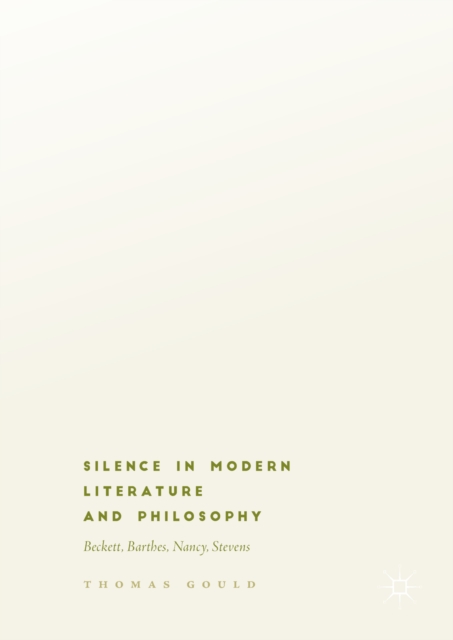
This book discusses the elusive centrality of silence in modern literature and philosophy, focusing on the writing and theory of Jean-Luc Nancy and Roland Barthes, the prose of Samuel Beckett, and the poetry of Wallace Stevens.
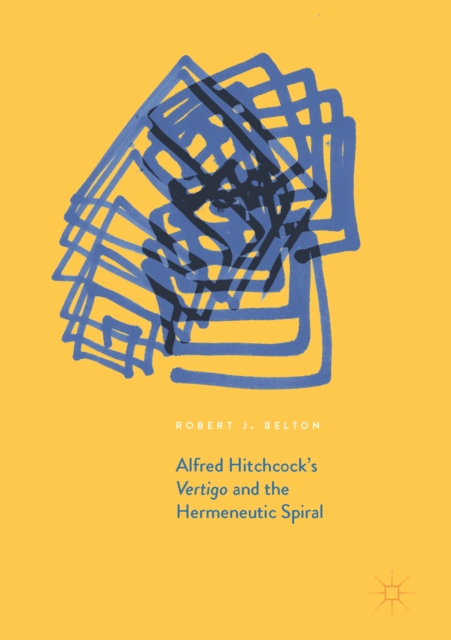
This book offers a new approach to film studies by showing how our brains use our interpretations of various other films in order to understand Alfred Hitchcock's Vertigo.
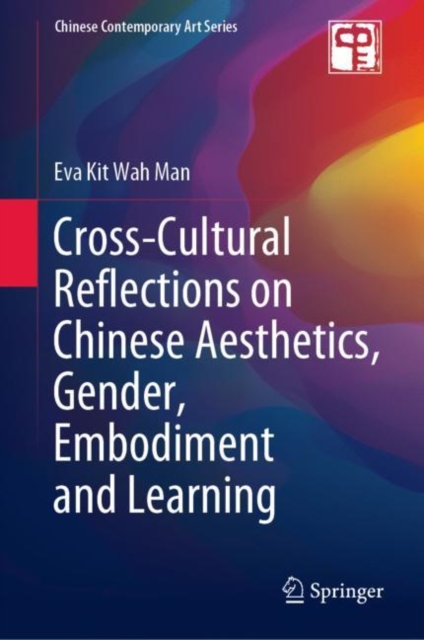
This book introduces traditional and modern aesthetics and arts, comparing the similarities and differences between traditional and modern Chinese aesthetics.
This interdisciplinary volume brings together leading writers and thinkers to provide a critique of a broad range of topics related to Hillsong Church.
This book, taking its point of departure from Stanley Cavell's claim that philosophy and autobiography are dimensions of each other, aims to explore some of the relations between these forms of reflection, first by seeking to develop an outline of a philosophy of autobiography, and then by exploring the issue from the side of five autobiographical works.
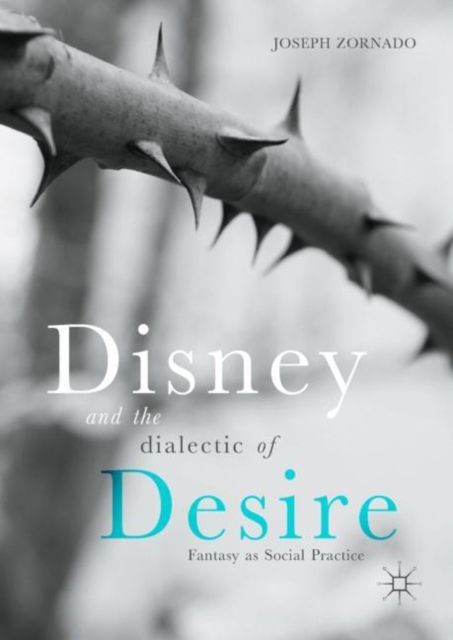
This book analyzes Walt Disney's impact on entertainment, new media, and consumer culture in terms of a materialist, psychoanalytic approach to fantasy.
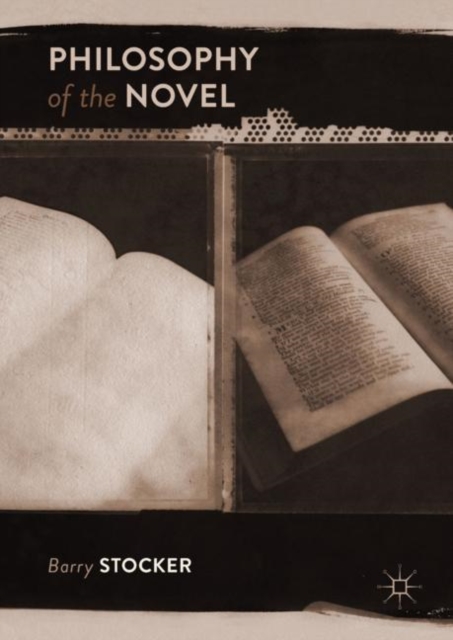
This book explores the aesthetics of the novel from the perspective of Continental European philosophy, presenting a theory on the philosophical definition and importance of the novel as a literary genre.
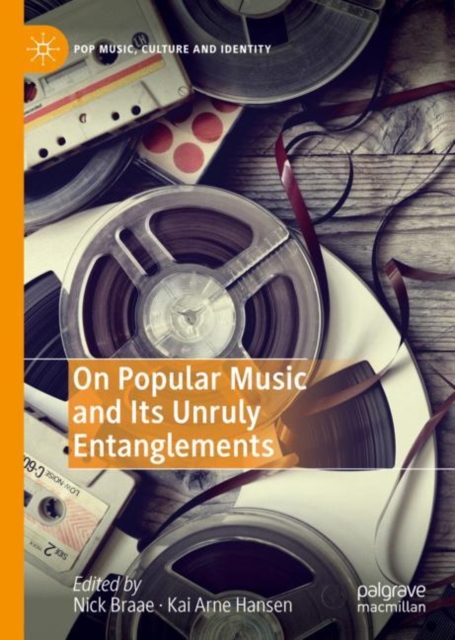
On Popular Music and Its Unruly Entanglements comprises eleven essays that explore the myriad ways in which popular music is entwined within social, cultural, musical, historical, and media networks.
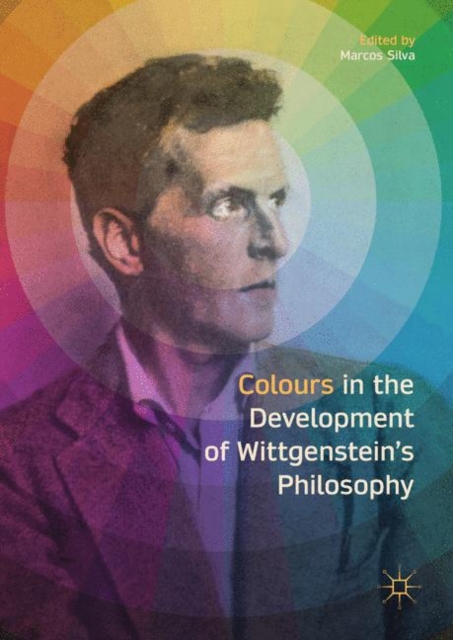
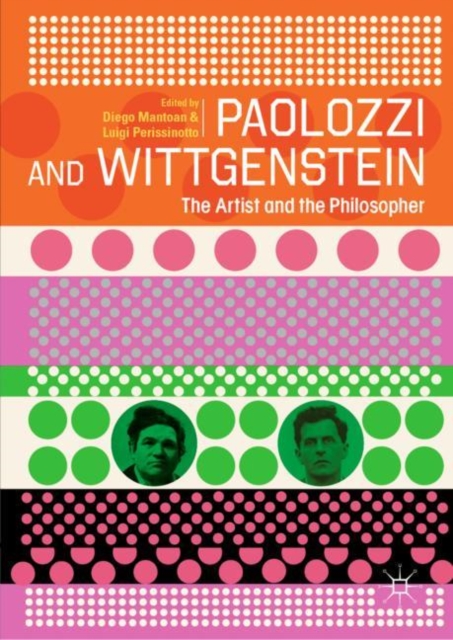
This impressive edited collection investigates the relationship between British Pop Art pioneer Eduardo Paolozzi and the philosopher Ludwig Wittgenstein.
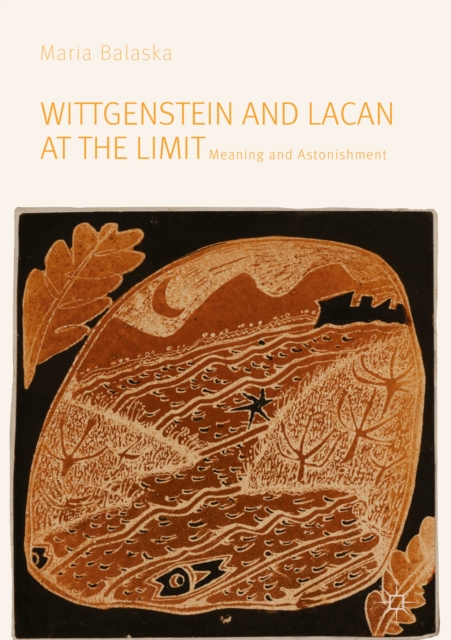
This book brings together the work of Ludwig Wittgenstein and Jacques Lacan around their treatments of 'astonishment,' an experience of being struck by something that appears to be extraordinarily significant.
This book discusses affective practices in performance through the study of four contemporary performers - Keith Hennessy, Ilya Noe, Caro Novella, and duskin drum - to suggest a tentative rhetoric of performativity generating political affect and permeating attempts at social justice that are often alterior to discourse.
This book defines theatricality and performativity through metaphors of texture and weaving, drawn mainly from anthropologist Tim Ingold and philosopher Stephen C.
This book explores the possibility of philosophical praxis by weaving an ontological thread through four principal thinkers: Heidegger, Schelling, Goethe, and Heraclitus.
This book presents a chronology of thirty definitions attributed to the word, term, phrase, and concept of "e;documentary"e; between the years 1895 and 1959.
This book is an investigation of the role of creative labor and the five senses in Rainer Maria Rilke's prose works, including his "e;Primal Sound"e; essay, the Stories of God, The Notebooks of Malte Laurids Brigge, and his monograph on Auguste Rodin.
This book argues that Kant develops a theory of perception in the Critique of Judgment from which one can redefine his entire project, viewing and using aesthetics as its backbone, from the transcendental aesthetic of the First Critique to the Critique of Taste in the Third.
Does it make sense to refer to bird song-a complex vocalization, full of repetitive and transformative patterns that are carefully calculated to woo a mate-as art?
Georg Simmel is one of the most original German thinkers of the twentieth century and is considered a founding architect of the modern discipline of sociology.
Many philosophical accounts of reason are geared toward providing rational justifications ex post facto rather than accounting for the role reason plays in actu in the process of creative work.
Modeling Visual Aesthetics, Emotion, and Artistic Style offers a comprehensive exploration of the increasingly significant topic of the complex interplay between human perception and digital technology.
This stimulating volume brings together an international team of emerging, mid-career, and senior scholars to investigate the relations between philosophical approaches to language and the language of literature.
Künstliche Intelligenz (KI) fährt Auto, erkennt Krebs und sucht Bewerber*innen aus – und das teilweise besser, schneller und sicherer als jeder Mensch.