Wittgenstein has written a great number of remarks relevant to aesthetical issues: he has questioned the relation between aesthetics and psychology as well as the status of our norms of judgment; he has drawn philosophers' attention to such topics as aspect-seeing and aspect-dawning, and has brought insights into the nature of our aesthetic reactions.
This volume consists of the revised and expanded versions of the papers presented at the International Conference "e;Nietzsche On Instinct and Language"e;, held at the Universidade Nova de Lisboa (Portugal) in December 2009.
The pictorial turn in the humanities and social sciences has foregrounded the political power of images and the extent to which historical, political, social, and cultural processes and practices are shaped visually.
If the Enlightenment turned to reason to reoccupy the place left vacant by the death of God, the history of the last two centuries has undermined the confidence that reason will bind freedom and keep it responsible.
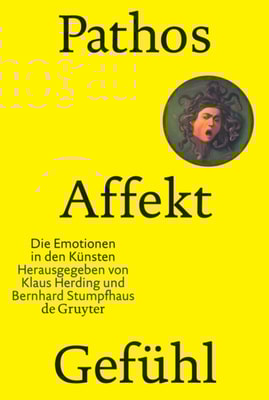
Aristoteles hatte die Erregung von Furcht und Mitleid streng begrenzt auf die kathartische Wirkung der Tragödie bezogen: Weder ein Zuviel noch ein Zuwenig an Leid, an Ethos oder an Nähe ist erlaubt, wenn sich die gewünschte Wirkung einstellen soll.
Der Band widmet sich einem Thema, dessen Aktualität sich nicht nur aus den psychologischen und neurologischen Erkenntnissen der Gegenwart begründet, sondern auch durch eine Vielzahl neuer Deutungen in den Kultur- und Geisteswissenschaften.
»Orte sind Ausgangspunkte«: Thomas Wilds großer Essay lädt zur Neuentdeckung Ilse Aichingers einMuß nicht alles immer wieder neu entdeckt werden, um zu bleiben?
Die Welt ist alles, was wir in unseren naturwissenschaftlichen Theorien beschreiben können – so eine weit verbreitete Überzeugung, die seit den Tagen des Positivismus unser Weltbild bestimmt.
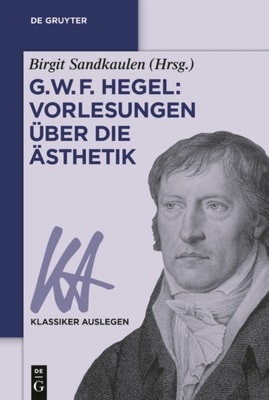
In seinen Vorlesungen über die Ästhetik hat Hegel einen der wichtigsten und wirkmächtigsten Beiträge zur Ästhetik und Philosophie der Kunst entwickelt.