This book identifies key factors necessary for a well-functioning information infrastructure and explores how information culture impacts the management of public information, stressing the need for a proactive and holistic information management approach amidst e-Government development.
With the rapid development of information and communication technology and increasingly intense competition with other organizations, information organizations face a pressing need to market their unique services and resources and reach their user bases in the digital age.
The Experiential Library: Transforming Academic and Research Libraries through the Power of Experiential Learning features contributions-in a relatively conversational, practical, and "e;how-to"e; format-from various academic libraries across broad educational levels that have implemented experiential learning programs, services, or resources to enhance the learning and development of both students and library employees.
Pathways into Information Literacy and Communities of Practice: Teaching Approaches and Case Studies considers the specific information literacy needs of communities of practice.
Navigation Design and SEO for Content-Intensive Websites: A Guide for an Efficient Digital Communication presents the characteristics and principal guidelines for the analysis and design of efficient navigation and information access systems on content-intensive websites, such as magazines and other media publications.
Agriculture to Zoology: Information Literacy in the Life Sciences sets the stage for purposefully integrating information literacy activities within the subject-specific content of the life sciences.
New Roles for Research Librarians: Meeting the Expectations for Research Support presents strategies librarians can use to adapt to the new conditions and growing expectations that are emerging from students and researchers.
Lessons in Library Leadership: A Primer for Library Managers and Unit Leaders takes on the topic of management positions within libraries and how many of them are filled by candidates with no formalized training.
Knowledge Management in Libraries: Concepts, Tools and Approaches brings to the forefront the increasing recognition of the value of knowledge and information to individuals, organizations, and communities, providing an analysis of the concepts of Knowledge Management (KM) that prevails among the Library and Information Science (LIS) community.
Everyone knows that New York maintains one of the great library systems in the world - the two lions that guard the 42nd street library among the most important icons in the city.
From Information Literacy to Social Epistemology: Insights from Psychology focuses on information and the ways in which information literacy relates to critical thinking in education, the workplace, and in our social life.
Scholarly Communication at the Crossroads in China follows the dichotomy paradox to focus on both achievements and challenges at every step of the scholarly communication process, highlighting Insights and trends in academic infrastructure and scholarly behaviors within the context of local economic, political, and technological development.
The Mindful Librarian: Connecting the Practice of Mindfulness to Librarianship explores mindfulness, approaching it in such a way as to relate specifically to the many roles or challenges librarians face.
An Emergent Theory of Digital Library Metadata is a reaction to the current digital library landscape that is being challenged with growing online collections and changing user expectations.
A co-branded book project with Jisc (formerly the Joint Information Systems Commitee), off the back of DigiFest 2014, a digital festival run by Jisc for the first time in 2014.
Environmental Consciousness in China: Change with Social Transformation discusses the status of environmental consciousness within China from both an economic and political view.
The Academic Librarian as Blended Professional employs a model that allows for individual and managerial reconceptualization of the librarian's role, also helping to mitigate obstacles to professional development both internal and external to the library.
Digital Information Strategies: From Applications and Content to Libraries and People provides a summary and summation of key themes, advances, and trends in all aspects of digital information at the present time.
Libraries and Key Performance Indicators: A Framework for Practitioners explores ways by which libraries across all sectors can demonstrate their value and impact to stakeholders through quality assurance and performance measurement platforms, including library assessment, evaluation methodologies, surveys, and annual reporting.
The Fortuitous Teacher: A Guide to Successful One-Shot Library Instruction discusses how librarians have become accidental teachers in the academic university setting.
Based in part on a selection of the author's past blog postings, Information Professionals' Career Confidential is a convenient, browsable, and illuminating pocket compendium of insights on topics relevant for information and knowledge professionals at any stage of their careers.
Selecting and Implementing an Integrated Library System: The Most Important Decision You Will Ever Make focuses on the intersection of technology and management in the library information world.
Within most libraries in the United States today there is an information professional who has become the 'go-to' person for grasping and grappling with copyright questions.
By fostering principles of systems thinking and informed learning though an inclusive, participatory design process that advances information exchange, reflective dialogue, and knowledge creation, the Informed Systems Approach promotes conceptual change in workplace organizations.
Domain analysis is the process of studying the actions, knowledge production, knowledge dissemination, and knowledge-base of a community of commonality, such as an academic discipline or a professional community.
The Invisible Librarian: A Librarian's Guide to Increasing Visibility and Impact provides insights into what many librarians are feeling, including questions such as "e;do they feel invisible?
Quality and the Academic Library: Reviewing, Assessing and Enhancing Service Provision provides an in-depth review and analysis of quality management and service quality in academic libraries.
Digital Detectives: Solving Information Dilemmas in an Online World helps students become independent and confident digital detectives, giving them the tools and tactics they need to critically scrutinize web-based digital information to ascertain its authenticity, veracity, and authority, and to use the information in a discerning way to successfully complete academic tasks.
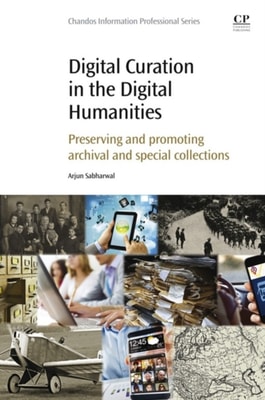
Archives and special collections departments have a long history of preserving and providing long-term access to organizational records, rare books, and other unique primary sources including manuscripts, photographs, recordings, and artifacts in various formats.
Information Cosmopolitics explores interaction between nationalist and information sharing practices in academic communities with a view to understanding the potential impacts of these interactions.
Robertson on Library Security and Disaster Planning presents a collection of highly-cited, author published articles on security and disaster planning for libraries.
The Myth and Magic of Library Systems not only defines what library systems are, but also provides guidance on how to run a library systems department.
Map Librarianship identifies basic geoliteracy concepts and enhances reference and instruction skills by providing details on finding, downloading, delivering, and assessing maps, remotely sensed imagery, and other geospatial resources and services, primarily from trusted government sources.