Contributors investigate the motivation behind scientifically-embedded contemporary art practices as well as art-based scientific research and engagement that attempt to shape society.
The first anthology of feminist art exhibition essays and museum publications, providing an exciting and valuable overview of recent developments in feminist curation Feminisms-Museums-Surveys: Exhibition Curating 2005-2022 brings together works from exhibition catalogs and museum publications to provide a comprehensive and timely view of the modern approach to feminist curating.
The Psychology of Eating is the essential multidisciplinary introduction to the psychology of eating, looking at the biological, genetic, developmental, and social determinants of how humans find and assimilate food.
Rich with archival detail and compelling characters, Life on Display uses the history of biological exhibitions to analyze museums' shifting roles in twentieth-century American science and society.
Become Fitter, Happier, Healthier with Kate's secrets for harnessing your strength, caring for your mind and making your body feel great from your own home'Eminently relatable.
A unique, international resource for Leisure Studies: in one volume the history, organization and central debates in the field of Leisure Studies are defined, providing a one-stop-shop for students and an agenda for future debate and research academics.
The Psychology of Blindness and Visual Culture: Towards a New Ecological Model of Visual Impairment advances the debate regarding the inclusion and wellbeing of people with visual impairment (PVI) through looking at the psychological nature of visual culture and its effects on the lived experience.
Drawing on anthropological fieldwork, this book presents case studies illustrating the re-conceptualization of heritages and traditions in selected locations in Africa, Asia, Australia and Europe.
Few perspectives have invigorated the development of critical museum studies over the late twentieth and early twenty-first centuries as much as Foucault's account of the relations between knowledge and power and their role in processes of governing.
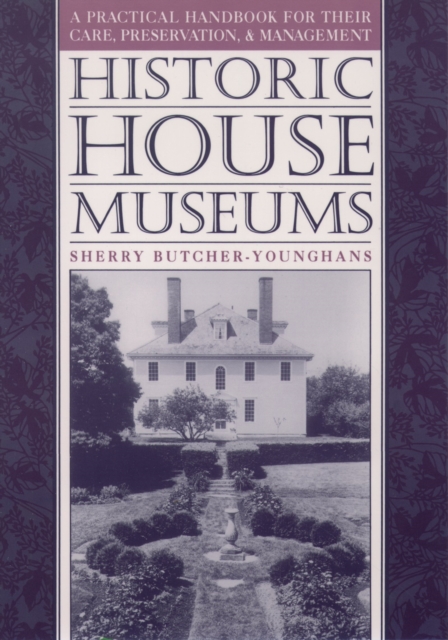
Over the past two decades, the arts in America have experienced an unprecedented building boom, with more than sixteen billion dollars directed to the building, expansion, and renovation of museums, theaters, symphony halls, opera houses, and centers for the visual and performing arts.
Rich with archival detail and compelling characters, Life on Display uses the history of biological exhibitions to analyze museums' shifting roles in twentieth-century American science and society.
This book presents a new approach, which entails a broader, integrated view of heritage values on the one hand, and on the other a shift in emphasis from their protection to their valorisation.
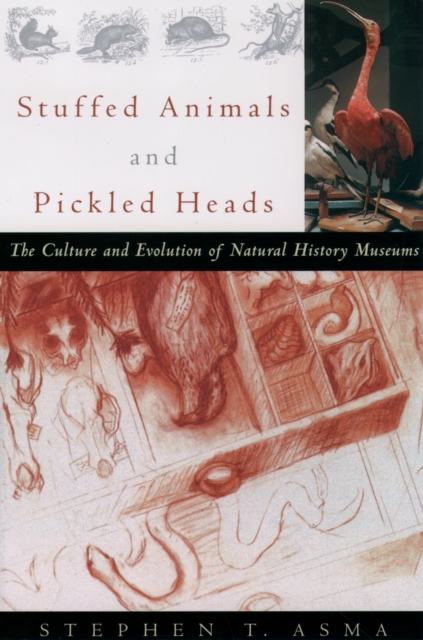
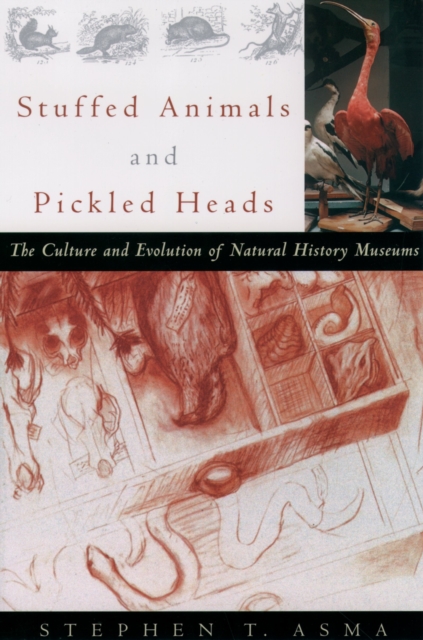
The natural history museum is a place where the line between "e;high"e; and "e;low"e; culture effectively vanishes--where our awe of nature, our taste for the bizarre, and our thirst for knowledge all blend happily together.
Over the past two decades, the arts in America have experienced an unprecedented building boom, with more than sixteen billion dollars directed to the building, expansion, and renovation of museums, theaters, symphony halls, opera houses, and centers for the visual and performing arts.
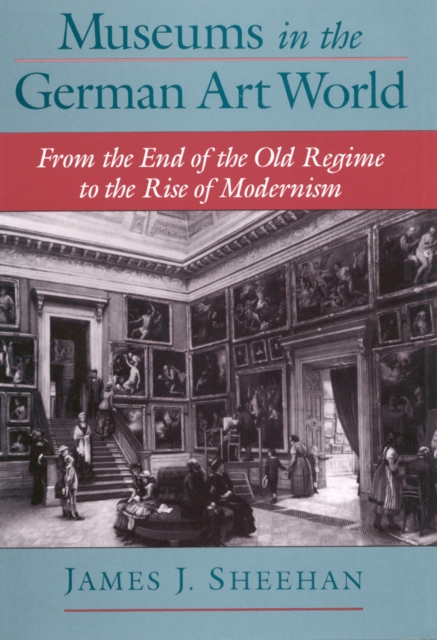
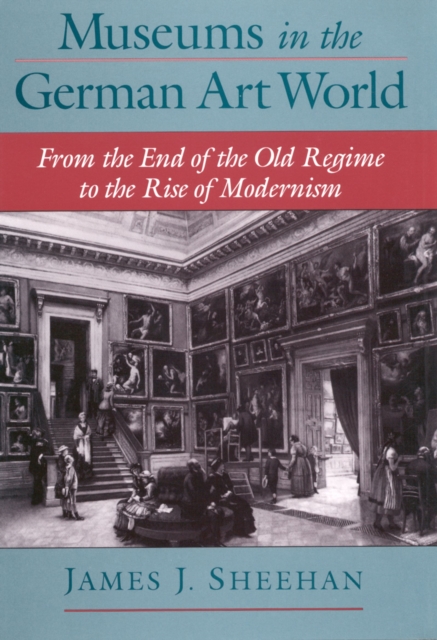
Combining the history of ideas, institutions, and architecture, this study shows how the museum both reflected and shaped the place of art in German culture from the late eighteenth century to the early twentieth century.
The natural history museum is a place where the line between "e;high"e; and "e;low"e; culture effectively vanishes--where our awe of nature, our taste for the bizarre, and our thirst for knowledge all blend happily together.
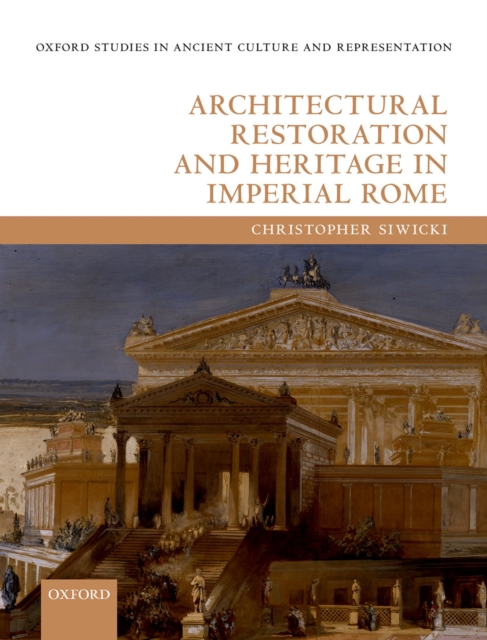
This volume addresses the treatment and perception of historic buildings in Imperial Rome, examining the ways in which public monuments were restored in order to develop an understanding of the Roman concept of built heritage.
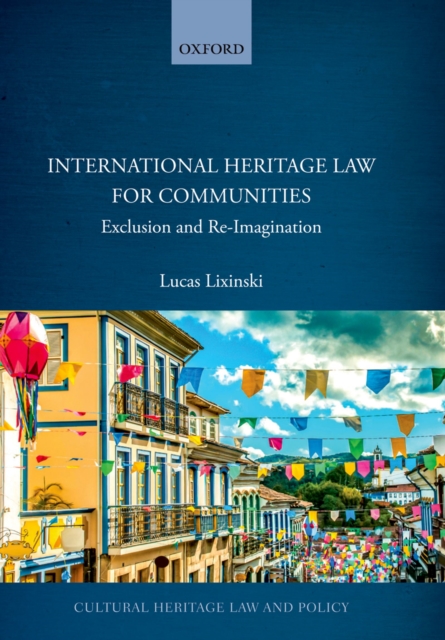
This book critically engages the shortcomings of the field of international heritage law, seen through the lenses of the five major UNESCO treaties for the safeguarding of different types of heritage.
This book critically engages the shortcomings of the field of international heritage law, seen through the lenses of the five major UNESCO treaties for the safeguarding of different types of heritage.
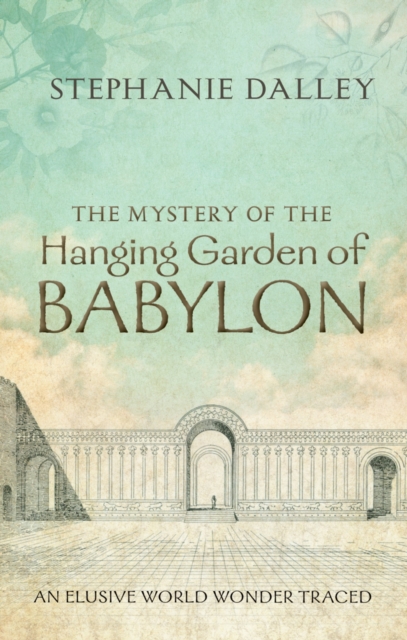
The Mystery of the Hanging Garden of Babylon is an exciting story of detection involving legends, expert decipherment of ancient texts, and a vivid description of a little-known civilization.
The Mystery of the Hanging Garden of Babylon is an exciting story of detection involving legends, expert decipherment of ancient texts, and a vivid description of a little-known civilization.
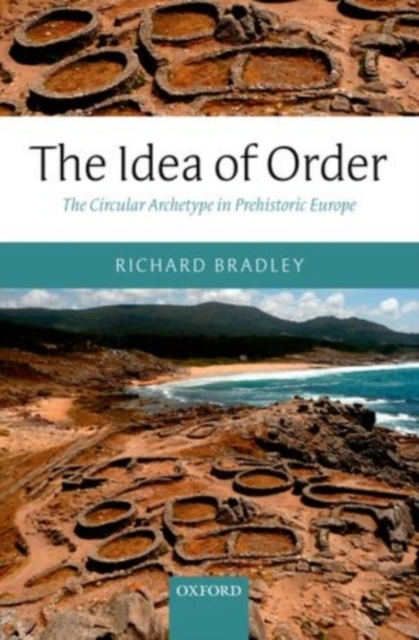
Richard Bradley investigates the idea of circular buildings - whether houses or public architecture - which, though unfamiliar in the modern West, were a feature of many parts of prehistoric Europe.
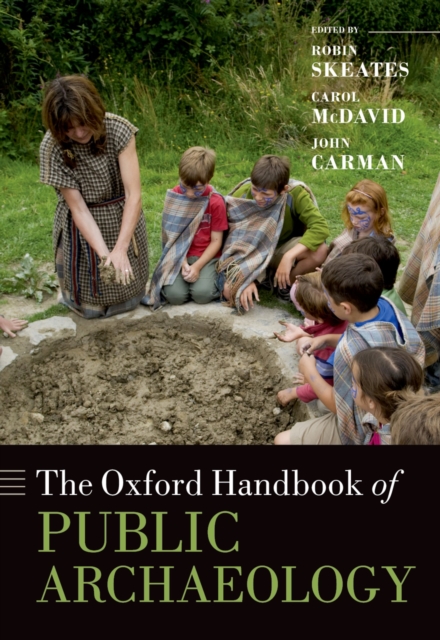
The Oxford Handbook of Public Archaeology seeks to reappraise the place of archaeology in the contemporary world by providing a series of essays that critically engage with both old and current debates in the field of public archaeology.
The Oxford Handbook of Public Archaeology seeks to reappraise the place of archaeology in the contemporary world by providing a series of essays that critically engage with both old and current debates in the field of public archaeology.
Environmental epidemiology is the study of the environmental causes of disease in populations and how these risks vary in relation to intensity and duration of exposure and other factors like genetic susceptibility.
This book gathers peer-reviewed papers presented at the 1st International and Interdisciplinary Conference on Digital Environments for Education, Arts and Heritage (EARTH2018), held in Brixen, Italy in July 2018.
This is the first full-length study of literary tourism in North America as well as Britain, and a unique exploration of popular response to writers, literary house museums, and the landscapes or "e;countries "e; associated with their lives and works.
The marble halls of the British Museum might seem the natural habitat for classical sculpture, but in the nineteenth century its sombre displays were far from being the only place that people encountered antiquities.
The field of cultural heritage is no longer solely dependent on the expertise of art and architectural historians, archaeologists, conservators, curators, and site and museum administrators.
The field of cultural heritage is no longer solely dependent on the expertise of art and architectural historians, archaeologists, conservators, curators, and site and museum administrators.
Combining the history of ideas, institutions, and architecture, this study shows how the museum both reflected and shaped the place of art in German culture from the late eighteenth century to the early twentieth century.
This book explores the concept of fragile heritage as an architectural legacy and a territorial resource in rural China, emphasizing the significance in safeguarding its unique cultural trajectory, and laying the groundwork for future developments.
This edited volume analyzes participatory practices in art and cultural heritage in order to determine what can be learned through and from collaboration across disciplinary borders.
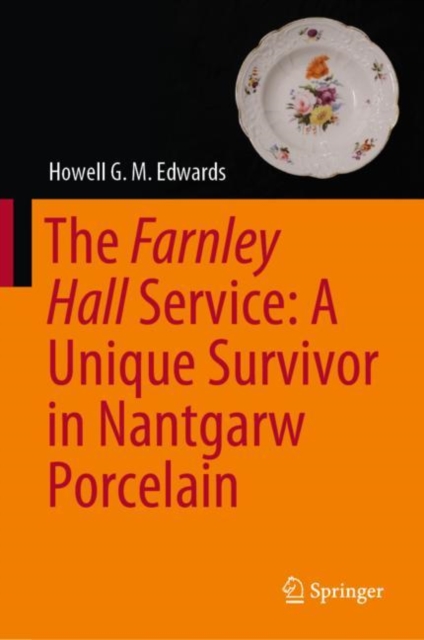
This book covers the discovery and the results of the analytical study of the composition of the Farnley Hall service, involving both the embossed moulding and the decorative compositions.
This book examines the ways in which law can be used to structure the return of indigenous sacred cultural heritage to indigenous communities, referred to as repatriation in this volume.