Teachers share one vital characteristic with students: they function best in settings that are organized enough to provide structure and focus, yet flexible enough to respect developmental and personality differences.
In this inspiring and thought-provoking follow-up to his 2009 best-seller Motivating Black Males to Achieve in School and in Life, Baruti Kafele makes the case that the achievement gap between white and minority students can be closed only if educators first transform students' negative attitudes toward learning.
In this inspiring and thought-provoking follow-up to his 2009 best-seller Motivating Black Males to Achieve in School and in Life, Baruti Kafele makes the case that the achievement gap between white and minority students can be closed only if educators first transform students' negative attitudes toward learning.
In this galvanizing follow-up to the best-selling Teaching with Poverty in Mind, renowned educator and learning expert Eric Jensen digs deeper into engagement as the key factor in the academic success of economically disadvantaged students.
In this galvanizing follow-up to the best-selling Teaching with Poverty in Mind, renowned educator and learning expert Eric Jensen digs deeper into engagement as the key factor in the academic success of economically disadvantaged students.
Even in an education system driven by the Common Core State Standards and high-stakes testing, teachers must adapt their methods to the styles of the modern learner.
Even in an education system driven by the Common Core State Standards and high-stakes testing, teachers must adapt their methods to the styles of the modern learner.
Group work is a growing trend in schools, as educators seek more complex, more authentic assessment tasks and assign projects and presentations for students to work on together.
Group work is a growing trend in schools, as educators seek more complex, more authentic assessment tasks and assign projects and presentations for students to work on together.
Your students may recognize words like determine, analyze, and distinguish, but do they understand these words well enough to quickly and completely answer a standardized test question?
Your students may recognize words like determine, analyze, and distinguish, but do they understand these words well enough to quickly and completely answer a standardized test question?
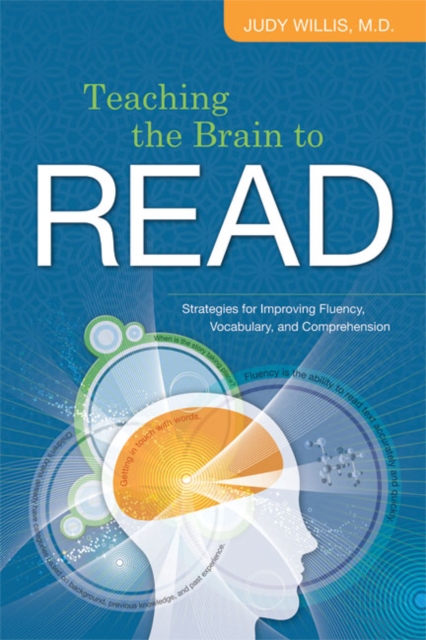
Reading comes easily to some students, but many struggle with some part of this complex process that requires many areas of the brain to operate together through an intricate network of neurons.
In this practical guide to designing and delivering interesting and effective presentations for adult audiences, Garmston and Wellman cover the five stages of a presentation and offer tips for executing each one.
Just as all teachers know what it's like to teach students who struggle to set goals, follow rules, stay on task, and stay motivated, all teachers can recognize students who are able to self-regulate.
Just as all teachers know what it's like to teach students who struggle to set goals, follow rules, stay on task, and stay motivated, all teachers can recognize students who are able to self-regulate.
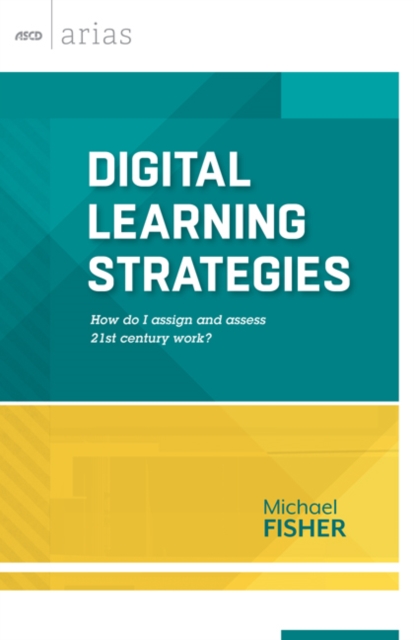
More than a decade into the 21st century, teachers continue to struggle with designing digital assignments as a viable tool for learning and with assessing the demonstration of that learning through student-created products.
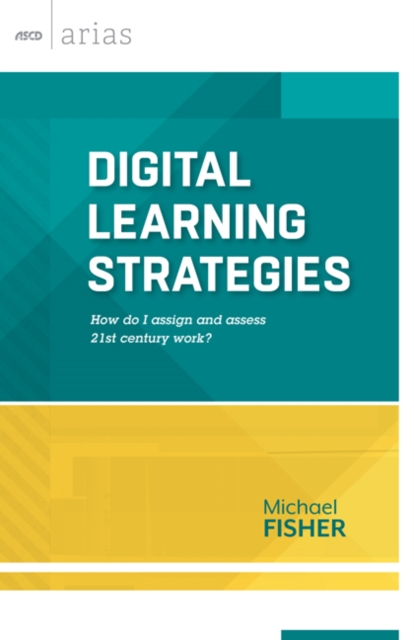
More than a decade into the 21st century, teachers continue to struggle with designing digital assignments as a viable tool for learning and with assessing the demonstration of that learning through student-created products.
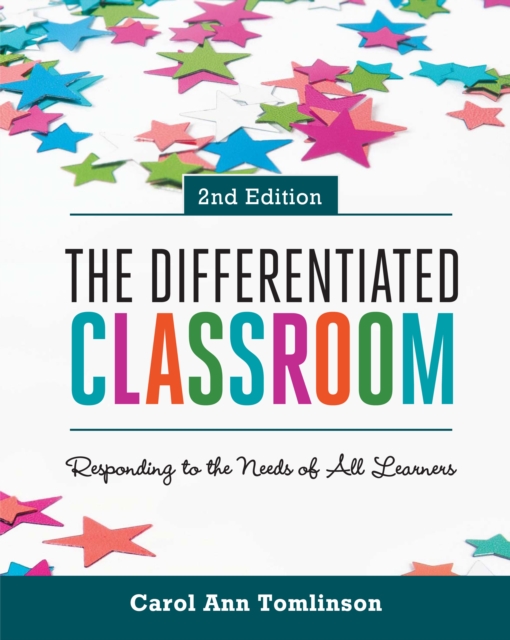
Although much has changed in schools in recent years, the power of differentiated instruction remains the same--and the need for it has only increased.
All teachers know that a robust vocabulary gives students the communication skills they need to do well on tests and shine in the classroom--and the best way to ensure successful vocabulary instruction is to embrace new and engaging strategies that don't take too much time away from other work.
All teachers know that a robust vocabulary gives students the communication skills they need to do well on tests and shine in the classroom--and the best way to ensure successful vocabulary instruction is to embrace new and engaging strategies that don't take too much time away from other work.
Classroom management may be the hardest part of being a teacher: fraught with power struggles, it often leaves teachers feeling stressed and drained and students feeling mutinous or powerless.
Classroom management may be the hardest part of being a teacher: fraught with power struggles, it often leaves teachers feeling stressed and drained and students feeling mutinous or powerless.