Studienarbeit aus dem Jahr 2023 im Fachbereich Pädagogik - Medienpädagogik, Note: 2,3, Georg-August-Universität Göttingen, Sprache: Deutsch, Abstract: Diese Arbeit befasst sich mit der Forschungsfrage, welches Potenzial das Medium „Erklärvideo“ für kooperative Lern-Settings bietet.
Studienarbeit aus dem Jahr 2022 im Fachbereich Padagogik - Medienpadagogik, Note: 1,9, Universitat Bielefeld, Veranstaltung: Einfuhrung in die Sprachdidaktik, Sprache: Deutsch, Abstract: Die Evolution des Lernens nimmt durch die virtuelle Realitat (VR) ein neues, revolutionares Gesicht an.
Seminar paper from the year 2023 in the subject Pedagogy - Media Pedagogy, grade: B, University of Education (Department of English Language), course: Technology for Language Teaching and Learning, language: English, abstract: This paper delves into the underexplored intersection of Computer-Assisted Language Learning (CALL) and literature education, focusing on the innovative application of CALL in teaching characterization.
Masterarbeit aus dem Jahr 2021 im Fachbereich Pädagogik - Medienpädagogik, Note: 2,3, FernUniversität Hagen (Lehrgebiet Lebenslanges Lernen), Veranstaltung: Berufliches Lernen als Anwendungsfeld digitaler Medien, Sprache: Deutsch, Abstract: Schulen stehen seit längerer Zeit vor der Herausforderung, Schüler*innen auf eine digitalisierte Welt vorzubereiten.
Projektarbeit aus dem Jahr 2023 im Fachbereich Pädagogik - Medienpädagogik, Note: 1,9, (IU Internationale Hochschule), Sprache: Deutsch, Abstract: Diese Fallstudie wurde im Fach "Interaktive Medien" erstellt.
Bachelorarbeit aus dem Jahr 2023 im Fachbereich Pädagogik - Medienpädagogik, Note: 2,0, Johannes Gutenberg-Universität Mainz (Institut für Erziehungswissenschaften/ AG Schulpädagogik), Sprache: Deutsch, Abstract: Ziel der Arbeit wird es sein, zu ermitteln, inwiefern sich die kognitive Aktivierung im Präsenzunterricht mit der kognitiven Aktivierung im Distanzunterricht vergleichen lässt.
Studienarbeit aus dem Jahr 2021 im Fachbereich Pädagogik - Medienpädagogik, Note: 1,7, Johann Wolfgang Goethe-Universität Frankfurt am Main (Theorie und Geschichte von Erziehung und Bildung), Veranstaltung: Digitalisierung von Bildungsräumen, Sprache: Deutsch, Abstract: Durch die vielen positiven Meinungen über die Digitalisierung der Schulen stellt sich die Frage, ob digitale Medien im Unterricht so eingesetzt werden können, dass sie das Lehr-Lern-Geschehen unterstützen.
Masterarbeit aus dem Jahr 2022 im Fachbereich Pädagogik - Medienpädagogik, Note: 2,0, Rheinisch-Westfälische Technische Hochschule Aachen (Heterogenität), Sprache: Deutsch, Abstract: Um dem Ziel Schule inklusiv zu gestalten näher zu kommen, ist es daher unter anderem interessant zu ermitteln, wie Menschen mit Behinderung, speziell Schüler:innen, gefördert werden können, um auch ihnen die Teilhabe an der Gesellschaft und an der Regelschule zu vereinfachen.
Wissenschaftlicher Aufsatz aus dem Jahr 2022 im Fachbereich Pädagogik - Medienpädagogik, Universität Wien (Bildungswissenschaft), Veranstaltung: Medienbildung, Sprache: Deutsch, Abstract: Der Konflikt zwischen Brauchbarkeit (Kompetenz) und Selbstentfaltung lässt ein Überdenken von Bildungsvorstellungen dringlich erscheinen.
Studienarbeit aus dem Jahr 2020 im Fachbereich Pädagogik - Medienpädagogik, Note: 1,0, FOM Essen, Hochschule für Oekonomie & Management gemeinnützige GmbH, Hochschulleitung Essen früher Fachhochschule, Sprache: Deutsch, Abstract: Diese Forschungsarbeit beabsichtigt die Auswirkungen von sozialen Medien auf den Schulalltag in Deutschland zu erörtern.
Master's Thesis from the year 2021 in the subject Pedagogy - Media Pedagogy, , language: English, abstract: The purpose of this study is to ascertain the impact of information and communication technologies (ICT) integration on students' academic performance in Nigerian Secondary Schools.
Projektarbeit aus dem Jahr 2021 im Fachbereich Pädagogik - Medienpädagogik, Note: 1,3, Universität Vechta; früher Hochschule Vechta, Veranstaltung: ewb908, Sprache: Deutsch, Abstract: Wie bewerten Eltern die Mediennutzung ihrer Kinder in Bezug auf digitale Medien?
Studienarbeit aus dem Jahr 2021 im Fachbereich Pädagogik - Medienpädagogik, Note: 1,7, FernUniversität Hagen (Mediendidaktik), Sprache: Deutsch, Abstract: Das Ziel dieser Hausarbeit ist ein auf dem Vier-Komponenten-Instruktionsdesign-Modell basierender Schulungsentwurf für Instructional Designer* mit der Zielkompetenz, Mobile-Learning-Apps selbständig zu entwickeln.
Studienarbeit aus dem Jahr 2020 im Fachbereich Pädagogik - Medienpädagogik, Note: 1,7, Universität Bielefeld, Sprache: Deutsch, Abstract: Diese Arbeit thematisiert den Einfluss der sozialen Medien auf die Identitätsbildung Jugendlicher.
Masterarbeit aus dem Jahr 2023 im Fachbereich Pädagogik - Medienpädagogik, Note: Sehr Gut, Hochschule Burgenland, Sprache: Deutsch, Abstract: Diese Arbeit untersucht das Potenzial der webbasierten erweiterten Realität (WebAR) in der Aus- und Weiterbildung von Erwachsenen am Digital Campus Vorarlberg.
Forschungsarbeit aus dem Jahr 2023 im Fachbereich Pädagogik - Medienpädagogik, Universität Wien (Bildungswissenschaft), Veranstaltung: Medienbildung, Sprache: Deutsch, Abstract: Der adäquate Umgang mit Neuen Medien durch Kinder erscheint hinsichtlich der Mediatisierung der Gesellschaft als komplexe Herausforderung.
Studienarbeit aus dem Jahr 2022 im Fachbereich Pädagogik - Medienpädagogik, Note: 2,3, FernUniversität Hagen (Kultur und Sozialwissenschaften), Sprache: Deutsch, Abstract: Gegenstand dieser Hausarbeit ist die Förderung der reflexiven Mediennutzung in der Adoleszenz unter Einsatz von Instagram in der Sekundarstufe II.
Studienarbeit aus dem Jahr 2022 im Fachbereich Pädagogik - Medienpädagogik, Note: 1,7, , Sprache: Deutsch, Abstract: Die Ausarbeitung beschäftigt sich im ersten Teil mit der Thematik von Themen zur psychischen Gesundheit in den sozialen Medien.
Studienarbeit aus dem Jahr 2023 im Fachbereich Pädagogik - Medienpädagogik, Note: 1,0, Technische Universität Dresden (Institut für Erziehungswissenschaft), Veranstaltung: Einführung in die Medienpädagogik, Sprache: Deutsch, Abstract: Das Ziel dieser Arbeit ist es, einen Überblick über mögliche Potentiale und Risiken der Selbstvermessung zu gewinnen, um darauf aufbauend Handlungsoptionen für Schule und Unterricht abzuleiten.
Examensarbeit aus dem Jahr 2021 im Fachbereich Didaktik - Informatik, Note: 2,0, Johann Wolfgang Goethe-Universität Frankfurt am Main, Sprache: Deutsch, Abstract: Mit halbjahresübergreifendem Informatikunterricht mit Mikrocontroller-Projekt wird in dieser Arbeit ein kontext- und projektorientiertes Modell vorgestellt, das zum einen den zu erwartenden Mangel an grundlegenden Fachkompetenzen bei Schülerinnen und Schülern überbrücken soll.
Masterarbeit aus dem Jahr 2022 im Fachbereich Pädagogik - Medienpädagogik, Note: 1,7, Rheinland-Pfälzische Technische Universität Kaiserslautern-Landau (Sozialwissenschaften), Sprache: Deutsch, Abstract: Das Ziel dieser Masterarbeit besteht darin, die Auswirkungen digitalen Lernens auf den Bildungsbereich zu untersuchen und zu erörtern, ob dieses eine Anpassung oder Neuausrichtung der mediendidaktischen Konzepte erfordert, um einen Mehrwert im Lernprozess der Lernenden zu schaffen.
Essay from the year 2003 in the subject Pedagogy - Media Pedagogy, grade: 1,0, Hamburg University of Applied Sciences (University of Applied Sciences Hamburg), course: Medienpadagogik, language: English, abstract: This article will discuss if, and to what extent, media educational social work is practiced in the German public access television channel "e;Offener Kanal Hamburg.
Essay from the year 2005 in the subject Pedagogy - Media Pedagogy, grade: A, ( Atlantic International University ), course: Technology in Education, language: English, abstract: Technology - having been seen as evil and promise the same time the truth probably lying somewhere in the middle.
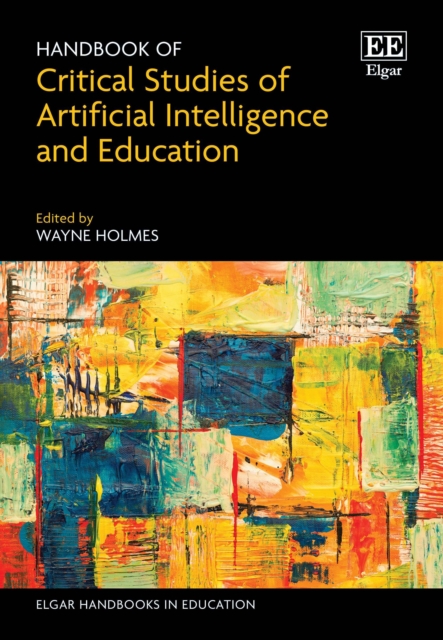
This timely Handbook explores, from a critical studies perspective, the ethical, sociocultural and political implications of Artificial Intelligence for education.
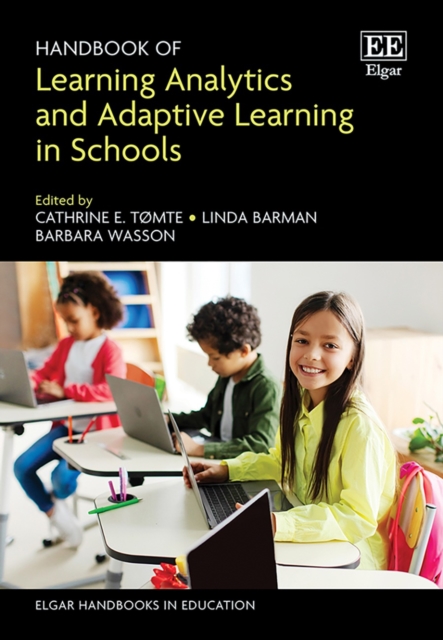
This timely Handbook explores the use of emerging digital technologies in education, demonstrating how learning analytics, adaptive technologies and artificial intelligence can be implemented to achieve pedagogical goals.
Studienarbeit aus dem Jahr 2024 im Fachbereich Pädagogik - Medienpädagogik, Note: 1,0, Leopold-Franzens-Universität Innsbruck, Sprache: Deutsch, Abstract: Die vorliegende Abschlussarbeit untersucht die Verbindung von Medienbildung und informellem Lernen und legt dabei den Fokus auf die Rolle von Lehrpersonen.
Studienarbeit aus dem Jahr 2023 im Fachbereich Pädagogik - Medienpädagogik, , Sprache: Deutsch, Abstract: Diese Arbeit befasst sich mit der Frage, wie das Alter in Verbindung mit der Einstellung zum Einsatz digitaler Medien und dem daraus resultierenden Lernerfolg steht.
Bachelorarbeit aus dem Jahr 2022 im Fachbereich Pädagogik - Medienpädagogik, Note: 1,5, Hamburger Fern-Hochschule, Sprache: Deutsch, Abstract: Die Bachelorarbeit befasst sich mit der Fragestellung, wie digitale Medien effektiv in den Präsenzunterricht integriert werden können.
Essay aus dem Jahr 2023 im Fachbereich Pädagogik - Medienpädagogik, Note: 1,7, Leuphana Universität Lüneburg (Hochschule), Veranstaltung: Medienbildung und Kommunikation, Sprache: Deutsch, Abstract: In dieser Arbeit wird mithilfe einer didaktischen Analyse die grundlegende Frage beantwortet, warum das Thema Flucht in formalen Bildungskontexten angebracht ist und welche Zugänglichkeit der Einsatz von Kindermedien bietet.
Masterarbeit aus dem Jahr 2024 im Fachbereich Didaktik - Informatik, Note: 1,3, Carl von Ossietzky Universität Oldenburg (Fakultät 2), Veranstaltung: Didaktik der Informatik, Sprache: Deutsch, Abstract: Die vorliegende Masterarbeit beschäftigt sich mit der Einstellung von Lehrkräften zu der Geschichte „Alex wird Informatikerin“, die in einem Seminar zum Gendergerechten Informatikunterricht im Sommersemester 2021 von vier Studierenden verfasst wurde.
Studienarbeit aus dem Jahr 2021 im Fachbereich Pädagogik - Medienpädagogik, Note: 1,0, FernUniversität Hagen (Fakultät für Kultur und Sozialwissenschaften), Veranstaltung: Entwicklung und Evaluation von digitalen Medien, Sprache: Deutsch, Abstract: Die digitale Transformation ändert die Art und Weise wie Menschen heute und in Zukunft miteinander arbeiten und damit auch die Anforderungen an Arbeitnehmer.
Studienarbeit aus dem Jahr 2023 im Fachbereich Pädagogik - Medienpädagogik, Note: 1,0, Freie Universität Berlin, Sprache: Deutsch, Abstract: In dieser Hausarbeit geht es um die Digitalisierung im Sachunterricht.
Studienarbeit aus dem Jahr 2020 im Fachbereich Padagogik - Medienpadagogik, , Sprache: Deutsch, Abstract: Was treibt junge Menschen in Chile dazu, urbane Platze in Fitnessstudios unter freiem Himmel zu verwandeln?
This book features a selection of the best papers accepted for presentation and discussion at the 2025 International Conference in Information Systems and Medicine (ICISMED25).
This book features a selection of the best papers accepted for presentation and discussion at the 2025 International Conference in Information Systems and Medicine (ICISMED25).
This timely Handbook explores the use of emerging digital technologies in education, demonstrating how learning analytics, adaptive technologies and artificial intelligence can be implemented to achieve pedagogical goals.
This timely Handbook explores, from a critical studies perspective, the ethical, sociocultural and political implications of Artificial Intelligence for education.
Bachelor Thesis from the year 2018 in the subject Business economics - Offline Marketing and Online Marketing, , course: BCom Marketing and Business Management, language: English, abstract: This study tries to determine the current state of the business learning model and indicate the readiness for injection of eLearning at any level of the current business model.
Master's Thesis from the year 2023 in the subject Pedagogy - Media Pedagogy, , language: English, abstract: In this 21st century world, the teaching and learning environment has put forth a number of innovations and some of these involve the use of technology through distance learning.
Studienarbeit aus dem Jahr 2023 im Fachbereich Pädagogik - Medienpädagogik, Note: 2,0, Johann Wolfgang Goethe-Universität Frankfurt am Main (Erziehungswissenschaften), Sprache: Deutsch, Abstract: Wie wirksam ist der Einsatz von Medien in Schulen?
Studienarbeit aus dem Jahr 2020 im Fachbereich Padagogik - Medienpadagogik, Note: 1,0, FOM Hochschule fur Oekonomie & Management Essen, Standort Duisburg, Sprache: Deutsch, Abstract: Das primare Ziel der Arbeit ist die Entwicklung eines Hilfsmittels auf Basis der digitalen Selbstvermessung in Hinblick auf das Burnout-Syndrom im Setting der Auszubildenden in Pflegeberufen.
Seminar paper from the year 2023 in the subject Pedagogy - Media Pedagogy, , language: English, abstract: Imagine a world where the very tools designed to connect us become instruments of torment, where the digital realm transforms into a battleground for social survival.
Academic Paper from the year 2022 in the subject Pedagogy - Media Pedagogy, , language: English, abstract: This study aims to determine the level of effectiveness of video-based lessons as instructional learning material for pupils, as perceived by teachers in schools.