This book responds to a critical geopolitical moment where decolonial thought, praxis, and pedagogy confront urgent questions of resistance in the face of Palestinian genocide and scholasticide, alongside other forms of state-sanctioned colonial violence against Black, Indigenous, immigrant, and displaced peoples worldwide.
This comparative history of the higher education systems in Poland, East Germany, and the Czech lands reveals an unexpected diversity within East European stalinism.
This comparative history of the higher education systems in Poland, East Germany, and the Czech lands reveals an unexpected diversity within East European stalinism.
This book responds to a critical geopolitical moment where decolonial thought, praxis, and pedagogy confront urgent questions of resistance in the face of Palestinian genocide and scholasticide, alongside other forms of state-sanctioned colonial violence against Black, Indigenous, immigrant, and displaced peoples worldwide.
First published in 1958, Technical Education and Social Change examines the social forces which shaped the development of technical education in England and Wales, the reasons for the late start in the 19th century, and for the slow progress in the inter-war years.
First published in 1958, Technical Education and Social Change examines the social forces which shaped the development of technical education in England and Wales, the reasons for the late start in the 19th century, and for the slow progress in the inter-war years.
For over 40 years in New Zealand, prominent educational researcher Professor Emeritus Graham Nuthall studied the dynamics of learning in the classroom.
Just as Mississippi whites in the 1950s and 1960s had fought to maintain school segregation, they battled in the 1970s to control the school curriculum.
Just as Mississippi whites in the 1950s and 1960s had fought to maintain school segregation, they battled in the 1970s to control the school curriculum.
This book promotes greater interest in cognitive linguistics (CL) among English language teaching (ELT) practitioners, while offering researchers a more direct line toward shaping pedagogy.
This book promotes greater interest in cognitive linguistics (CL) among English language teaching (ELT) practitioners, while offering researchers a more direct line toward shaping pedagogy.
This book examines how science education can either reinforce or counteract genetic essentialism, a misperception that social groups share genes which determine their cognitive and behavioral characteristics.
This book examines how science education can either reinforce or counteract genetic essentialism, a misperception that social groups share genes which determine their cognitive and behavioral characteristics.
This volume provides an overview of the themes and challenges in curriculum thinking and practice that currently engage policymakers and practitioners across the East Asian and Southeast Asian region.
This volume provides an overview of the themes and challenges in curriculum thinking and practice that currently engage policymakers and practitioners across the East Asian and Southeast Asian region.
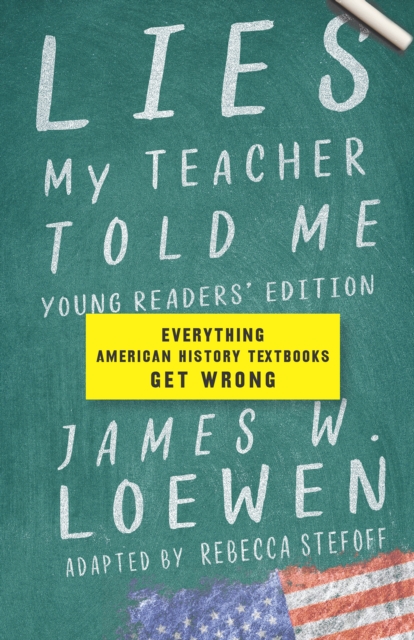
Now adapted for young readers ages 12 through 18, the national bestseller that makes real American history come alive in all of its conflict, drama, and complexityLies My Teacher Told Me is one of the most important-and successful-history books of our time.
Curriculum Windows: What Curriculum Theorists of the 2010s Can Teach Us About Schools and Society Today is an effort by students of curriculum studies, along with their professor, to interpret and understand curriculum texts and theorists of the 2010s in contemporary terms.
Curriculum Windows: What Curriculum Theorists of the 2010s Can Teach Us About Schools and Society Today is an effort by students of curriculum studies, along with their professor, to interpret and understand curriculum texts and theorists of the 2010s in contemporary terms.
Part of the ground-breaking series Key Thinkers in English in Education and the Language Arts, this text focuses on the work of British curriculum theorist, John Dixon.
Part of the ground-breaking series Key Thinkers in English in Education and the Language Arts, this text focuses on the work of British curriculum theorist, John Dixon.
Presenting a unique exploration of education at "e;the edge of experience,"e; this book investigates how unassimilable concepts can reconceptualize education in order to grapple with what is beyond understanding.
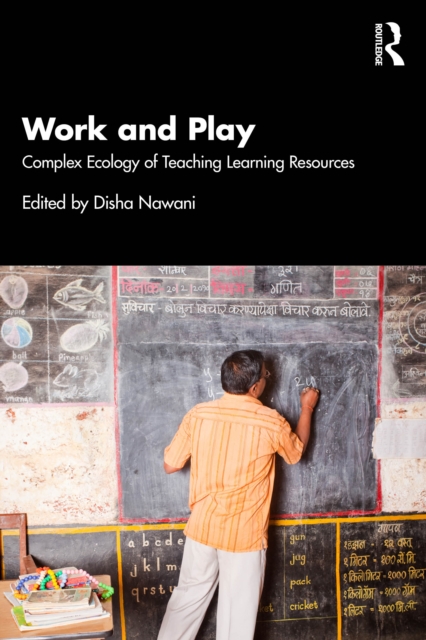
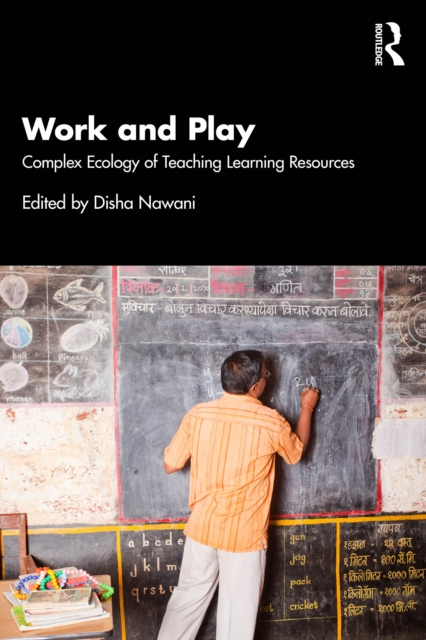
The book addresses the needs of educators and teacher-educators by providing a comprehensive understanding of various aspects of teaching and learning resources (TLRs) in the Indian context.
The book addresses the needs of educators and teacher-educators by providing a comprehensive understanding of various aspects of teaching and learning resources (TLRs) in the Indian context.
The current practice of having children begin school within a twelve-month cohort is unfair but can be ameliorated by incorporating a dual-entry system.
Presenting a unique exploration of education at "e;the edge of experience,"e; this book investigates how unassimilable concepts can reconceptualize education in order to grapple with what is beyond understanding.