This book reflects on how teachers and students use new technologies in classroom settings in order to improve the capacity of teaching and learning in history to successfully meet the challenges of the twenty-first century through a complex understanding of the relation between past and present.
This book addresses critical issues related to appropriately servicing gifted students with other learning exceptionalities, also known as twice exceptional (2e) students.
This book responds to challenging questions about curricular realignment, especially how a more porous approach to higher education reduces the impact of a "e;siloed"e; curriculum, lessens the tendency toward the fragmentation of knowledge, allows for the development of cross-disciplinary explorations, and promotes new approaches to knowledge and creativity through interdisciplinary integrative learning.
This book illustrates the multiple roles of textbooks as victim, transformer, and accomplice to conflict by introducing the Intersecting Roles of Education in Conflict (IREC) framework for use in the research, development, production, distribution, and dissemination of textbooks and learning materials.
This book presents changes in UK and global educational governance in the context of a radical shift in the operating logics of politics and its interaction with education.
This book is a guide for educators on how to develop and evaluate evidence-based strategies for teaching biological experimentation to thereby improve existing and develop new curricula.
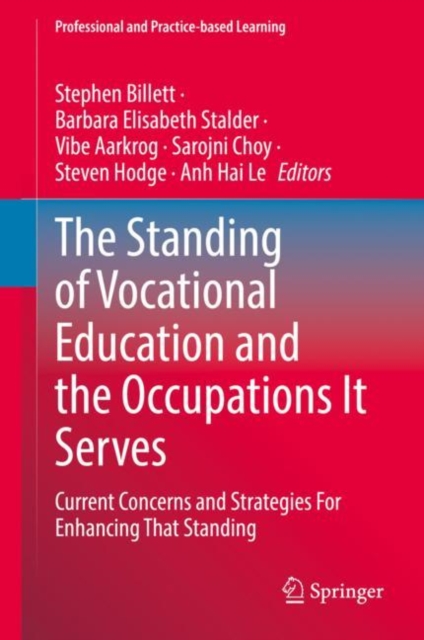
This book addresses what is, perhaps, the single most important issue for vocational education; its relatively low standing in an era of high aspiration.
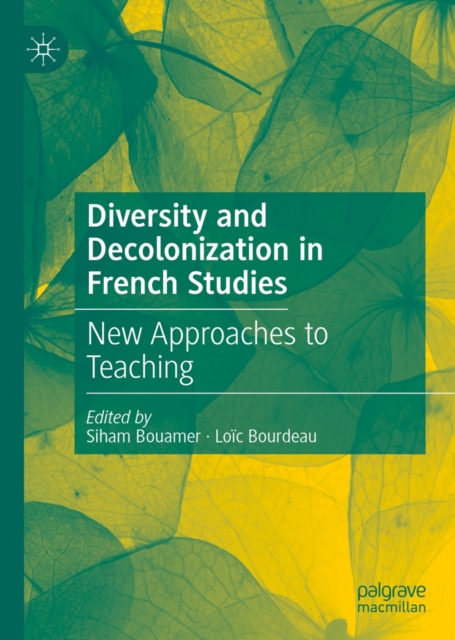
This edited volume presents new and original approaches to teaching the French foreign-language curriculum, reconceptualizing the French classroom through a more inclusive lens.
This book includes a range of empirical-based international contributions by the global community of teacher educators and related researchers on the Further Education/post-compulsory, vocational/occupational and lifelong learning sector.
This book examines some of the major higher education reforms and policy shifts globally, particularly in the light of recent shifts in quality and standards-driven education and policy research.
This textbook provides real world examples of how disciplinary literacy can incorporate gamified learning opportunities in elementary classrooms (grades K-5 or ages 5-11).
This book provides a review of central contributions from a variety of countries, and is intended to enhance and expand the national professional dialogue on curricula in nursing and midwifery education.
Since its original publication, Conflicts in Curriculum Theory has firmly established itself as the key volume that not only advanced alternative ways to think about education and curriculum but also introduced innovative scholarship and a radical conceptual grammar for the field.
This book discusses how Big Data could be implemented in educational settings and research, using empirical data and suggesting both best practices and areas in which to invest future research and development.
In this book international geography educators discuss the ways in which geographical knowledge is recontextualised in schools and consider effective approaches to facilitate, improve and advance geography education in research and practice.
This book examines the discourses on nation-building, civic identity, minorities, and the formation of religious identities in school textbooks worldwide.
This book examines the development of civic education in the United States through the lives of two teachers at Shortridge High School (SHS) in Indianapolis around 1900.
This book explores tensions between critical social justice and what the author terms white justice as fairness in public commemoration of Minnesota's US-Dakota War of 1862.
This book brings together voices and perspectives from across the world and draws in a new generation of curriculum scholars to provide fresh insight into the contemporary field.
This book focuses on the phenomenon of a '21st century curriculum' and its role in preparing students for work and life in a rapidly changing global knowledge society.
This book presents a detailed account of a self-study in which the author considers why a developmental perspective matters in language learning within an intercultural orientation, and how teachers of languages might understand and attend to this notion in their work.
This book brings together a compendium of the collaborative research from eight PhD students and three researchers, addressing an existing problem for teachers of students with additional learning needs in mainstream classes.
This book draws on five philosophers from the continental tradition - Theodor Adorno, Hannah Arendt, Gilles Deleuze, Jacques Derrida, and Jacques Ranciere - in order to "e;think about thinking"e; and offer new and surprising answers to the question: How can we educate students to think creatively and critically?
This book is a theoretical and practical guide to implementing an inquiry-based approach to teaching which centers creative responses to works of art in curriculum.
This edited volume examines new ways of teaching mathematics through a cross-cultural reciprocal learning project between sister schools in Canada and China.