This innovative curriculum book provides key materials, resources, and tools to help secondary educators prepare their students to be engaged citizens of their community, state, nation and world.
This innovative curriculum book provides key materials, resources, and tools to help secondary educators prepare their students to be engaged citizens of their community, state, nation and world.
As more English learners enroll in school each year, teachers and administrators are concerned with the large gap in reading and academic standing between ELs and students performing at grade level.
Discover how to improve student learning through the power of effective assessment, and realize your power to transform education from inside the classroom.
In this practitioner's guide to building a quality collaborative relationship through critical conversations, the authors explain three co-teaching models and how co-teaching fits within school improvement initiatives.
Cambiar la escuela es tanto una demanda constante de padres, docentes, alumnos y de la sociedad en general como un desafío enorme para quienes tienen que efectivamente llevarlo a cabo.
With nearly two decades of school governance experience across Infant, Primary, Secondary, All Through and Alternative Provision schools and academies, distilled into an easy-to-read format, Al Kingsley's My School Governance Handbook aims to make the complex world of school governance simple and accessible to all.
The Digital Ecosystem will take you on a journey to develop your own sustainable digital strategy one that is right for your school and yours alone, acknowledging that every school is different, just like every child.
Schools need to have purchase on the curriculum: why they teach the subjects beyond preparation for examinations, what they are intending to achieve with the curriculum, how well it is planned and enacted in classrooms and how they know whether it s doing what it s supposed to.
Curriculum to Classroom is the ideal book for senior leaders and curriculum leads who are in the process of establishing, refining and reviewing their school curriculum.
The study examines the main development steps of digitalization in the Austrian education system in a historical longitudinal section as well as their significance for teaching practice.
This volume explores the potentials and perspectives upon educational diplomacy,promoting a better mutual understanding on the European and the Chinesetraditions and their visions for the future.
This book takes a critical look at how students' achievements are assessed for a range of purposes, from reporting progress to selection and qualification.
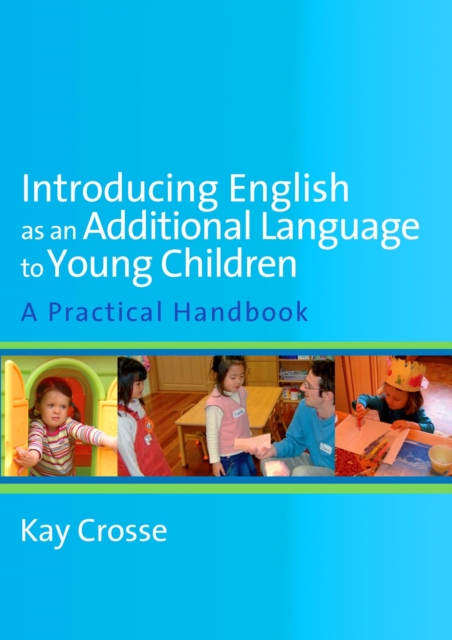
`A definite must-have for all teachers of English confronted with early multilingualism' - Times Educational Supplement The activities and guidance in this book will help teachers to develop the confidence and meet the individual needs of young children with English as an additional language across different settings.
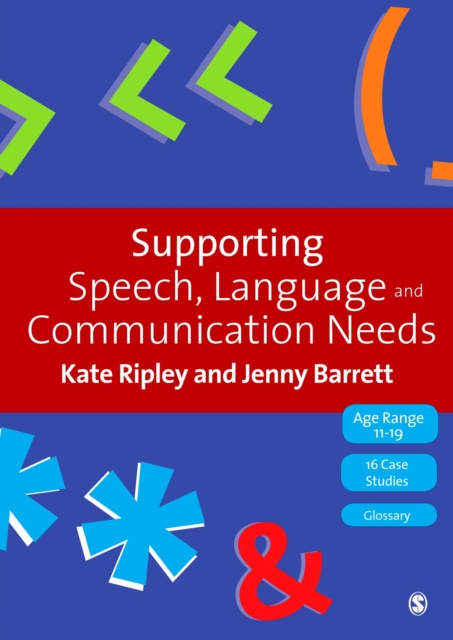
Designed for all those who support older children and young adults with speech and language difficulties, this resource provides ideas, practical strategies and detailed information about the speech, language and communication needs (SLCN) of older students.
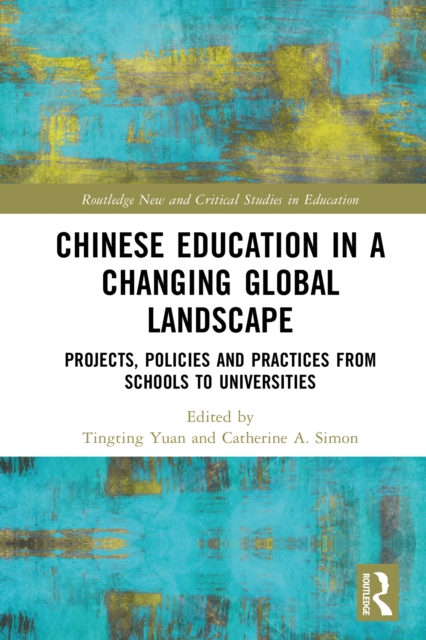
This book offers a nuanced and research-based, critical account of the current status of Chinese education at differing levels within China, in the context of its position on the global economic and political stage.
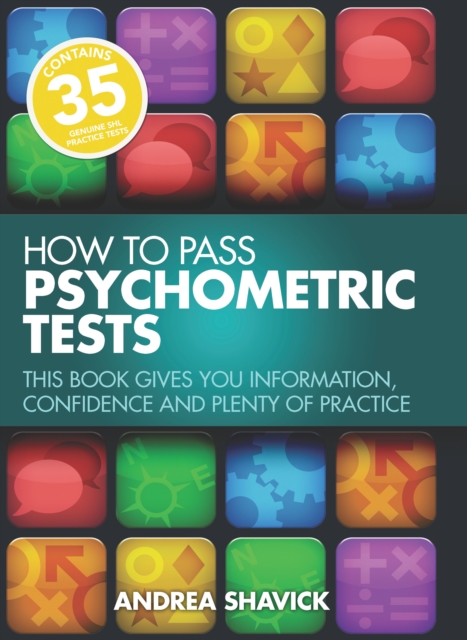
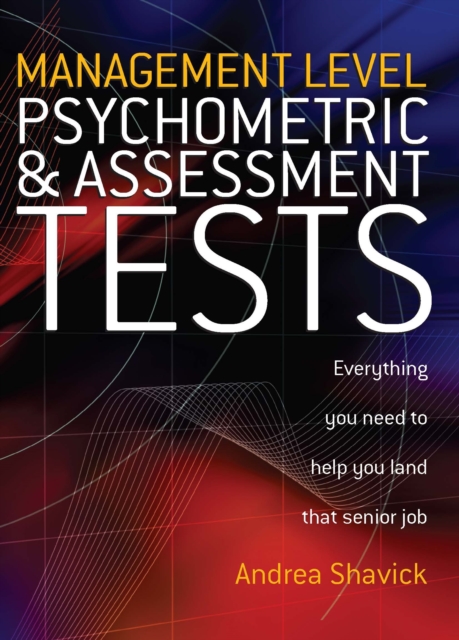
In this book, author Andrea Shavick explains all there is to know about psychometric tests: what they are, what they measure, who uses them, why they're used, how they're changing, how to survive them, and even how to avoid them altogether!
This book provides a critical overview of the current use of learning technologies for educational innovation and examines global trends in educational innovation.
Amidst all of the bureaucracy and policy concerning special educational needs (SEN), it is easy to lose sight of the role of standards in the education of pupils with SEN.
This updated text surveys the debate amongst politicians and professionals surrounding the evolution and revision of the National Curriculum for England and Wales, setting the scene for the implementation of the core subjects - Information Technology, English, Mathematics and Science.
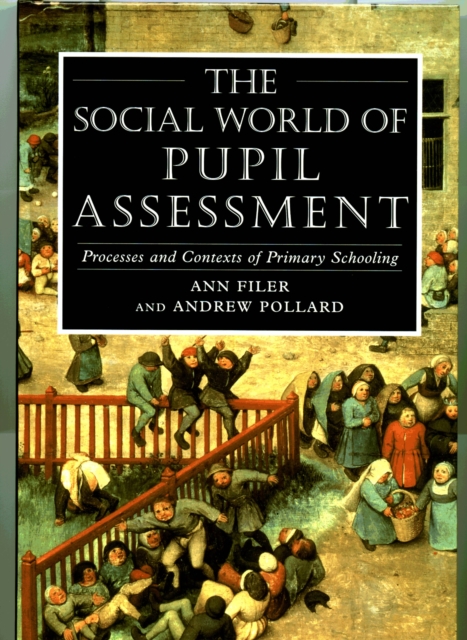
Defining Assessment in the widest possible way, ann Filer and Andrew Pollard have produced the most comprehensive ethnographic study of assessment ever attempted.