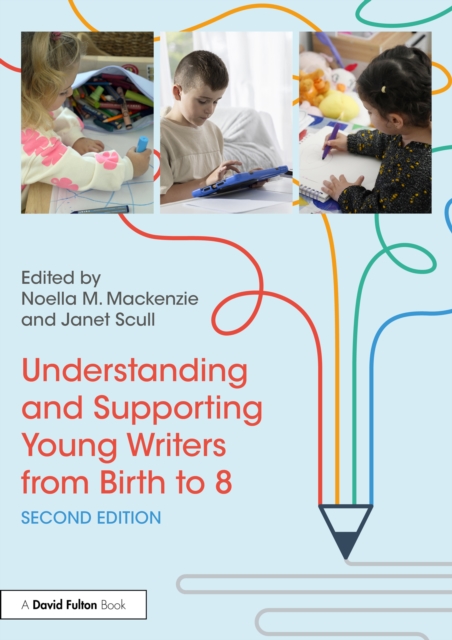
Understanding and Supporting Young Writers from Birth to 8 provides practitioners with the knowledge and skills they need to support young children as they learn to write.
When one night of fun turns into six,And there is nothing to do but eat treats and play tricks,BEWARETake a healthy suggestion,Or you may find a monster in your reflectionWho doesnt want holiday fun to last a little longer?
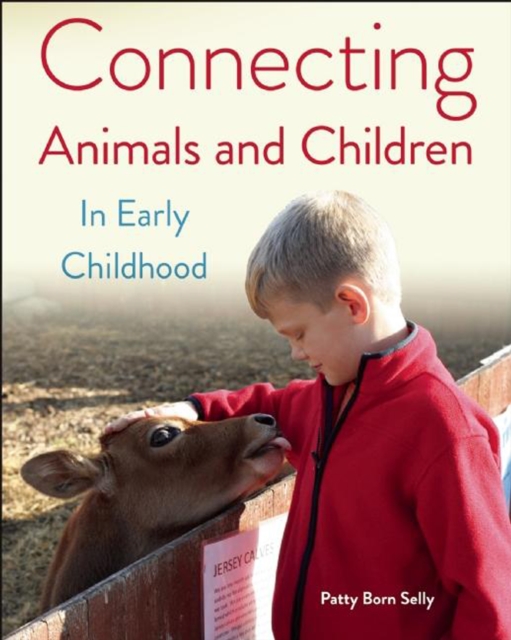
Understand the value of connecting animals and childrenFrom family pets and wild animals to toys, stuffed animals, and media images, animals are a central part of every childs landscape.
Gender bias is well established in children by age 6, so creating environments where all children can learn without bias requires an understanding of the components of gender bias and the related challenges.
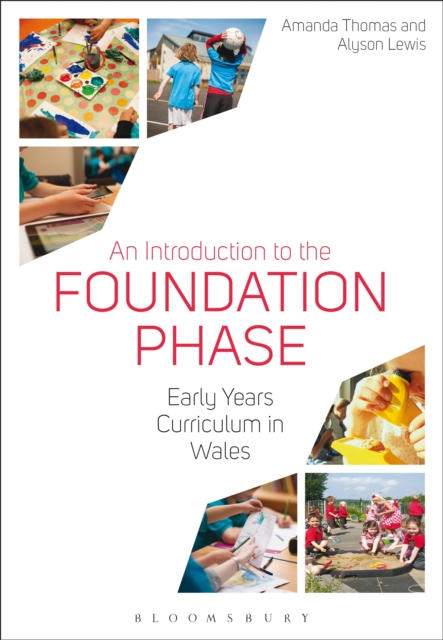
An Introduction to the Foundation Phase provides a practical guide to understanding and implementing the Foundation Phase in any early years setting in Wales.
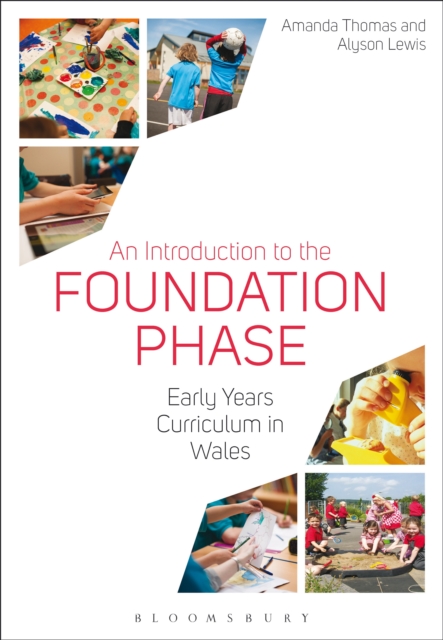
An Introduction to the Foundation Phase provides a practical guide to understanding and implementing the Foundation Phase in any early years setting in Wales.
Including narratives of practice across diverse Australian settings, Engaging with Educational Change fills a gap in the current educational change literature.
Including narratives of practice across diverse Australian settings, Engaging with Educational Change fills a gap in the current educational change literature.
This book considers the origins of Froebelian early childhood education providing context to the development of his theories and ideas, critically examines the key themes of this philosophy of education and explores the relevance of Froebelian practice today.
This book considers the origins of Froebelian early childhood education providing context to the development of his theories and ideas, critically examines the key themes of this philosophy of education and explores the relevance of Froebelian practice today.
Highly Commended: Nursery World Awards 2017 Professional Book of the YearEarly Childhood and Neuroscience is a practical guide to understanding the complex and challenging subject of neuroscience and its use (and misapplication) in early childhood policy and practice.
Highly Commended: Nursery World Awards 2017 Professional Book of the YearEarly Childhood and Neuroscience is a practical guide to understanding the complex and challenging subject of neuroscience and its use (and misapplication) in early childhood policy and practice.
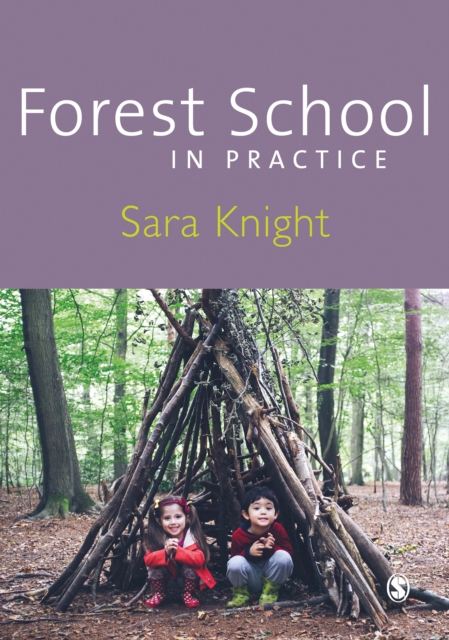
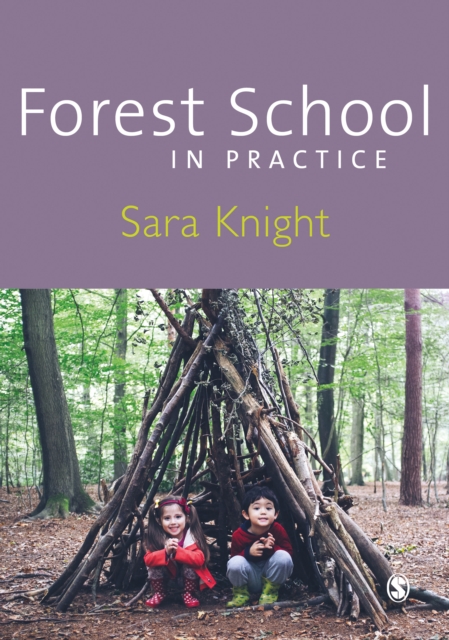
A beautiful full-colour book by Forest School expert and teacher Sara Knight that inspires and encourages individuals of all ages to take an innovative approach to outdoor play and learning.
A beautiful full-colour book by Forest School expert and teacher Sara Knight that inspires and encourages individuals of all ages to take an innovative approach to outdoor play and learning.