Drawing from over 100 interviews with world-renowned creativity researchers, scholars, practitioners, and educators, this groundbreaking book provides a powerful roadmap for preparing your students for tomorrow's challenges by nurturing creativity in today's classrooms.
Empowering All Leaders to be Math Leaders helps school leaders ensure that their math teachers are prepared to deliver excellent instruction each week of the school year.
Projektarbeit aus dem Jahr 2022 im Fachbereich Didaktik für das Fach Deutsch - Deutsch als Zweitsprache, DaZ, Note: 1,0, Universität Hamburg, Veranstaltung: Durchgängige Sprachbildung in Theorie und Praxis, Sprache: Deutsch, Abstract: Dieses Portfolio konzentriert sich auf die Analyse und Diskussion der kontinuierlichen Förderung sprachlicher Fähigkeiten und des Einsatzes von Bildungssprache im schulischen Umfeld, insbesondere im Zusammenhang mit Mehrsprachigkeit und Deutsch als Zweitsprache.
Empowering All Leaders to be Math Leaders helps school leaders ensure that their math teachers are prepared to deliver excellent instruction each week of the school year.
Unterrichtsentwurf aus dem Jahr 2023 im Fachbereich Didaktik - Mathematik, , Sprache: Deutsch, Abstract: Hierbei handelt es sich um einen Unterrichtsentwurf eines Unterrichtsbesuchs in der Klasse 1 (NRW) zum Thema Kombinatorik und strategischem Vorgehen.
Projektarbeit aus dem Jahr 2022 im Fachbereich Pädagogik - Sozialpädagogik, Note: 1,3, , Veranstaltung: Theorien der Sozialpädagogik, Sprache: Deutsch, Abstract: Diese Arbeit beschäftigt sich mit der inklusiven Förderung von Grundschülern.
Studienarbeit aus dem Jahr 2021 im Fachbereich Didaktik für das Fach Deutsch - Deutsch als Zweitsprache, DaZ, Note: 1,0, Universität Hamburg (Mehrsprachigkeit und Bildung), Veranstaltung: Einführung in die Interkulturelle Bildung, Sprache: Deutsch, Abstract: Diese Arbeit widmet sich der Profilstufenanalyse der 13-jährigen Schülerin Evisa aus Honduras, die bilingual aufgewachsen ist und seit 11 Monaten eine internationale Vorbereitungsklasse in Deutschland besucht.
Unterrichtsentwurf aus dem Jahr 2023 im Fachbereich Didaktik - Sport, Sportpädagogik, Note: 1,5, , Sprache: Deutsch, Abstract: In der hier dargestellten Unterrichtsstunde liegt der Fokus auf der Laufdisziplin Sprint.
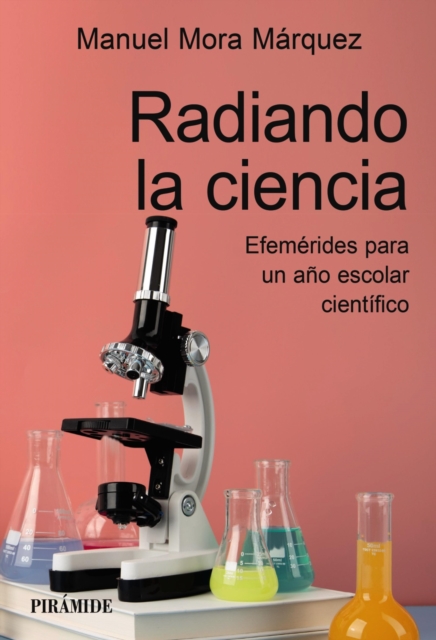
El libro que tiene entre manos surge como resultado de plasmar en papel la primera experiencia radiofónica del autor en el maravilloso ámbito de la divulgación científica.
Design education begins with the student's embodied experience of the world, yet this foundational aspect often goes unexamined in the development and implementation of design pedagogy.
Studienarbeit aus dem Jahr 2020 im Fachbereich Didaktik für das Fach Deutsch - Deutsch als Fremdsprache, DaF, Note: 1,7, Universität Bielefeld (LiLi Fakultät), Veranstaltung: Grammatikdidaktik, Sprache: Deutsch, Abstract: Die zentralen Punkte dieser Hausarbeit sind die Komparation und die Didaktisierung der Komparation von Adjektiven.
Wissenschaftlicher Aufsatz aus dem Jahr 2021 im Fachbereich Lernmaterialien - Deutsch, Note: 15, , Veranstaltung: Deutschunterricht Jahrgangsstufe 10, Sprache: Deutsch, Abstract: Diese Arbeit beinhaltet eine Gedichtanalyse und -interpretation von Johann Wolfgang Goethes Gedicht "Maifest" (später auch: "Mailied") in Form eines Musteraufsatzes für die zehnte bis zwölfte Jahrgangsstufe am bayerischen Gymnasium.
Essay aus dem Jahr 2021 im Fachbereich Pädagogik - Sozialpädagogik, Note: 1,0, Otto-Friedrich-Universität Bamberg, Sprache: Deutsch, Abstract: Die Asylpolitik und die daraus entstehenden Folgen für Asylsuchende stehen im Fokus der Geflüchtetenproteste.
Unterrichtsentwurf aus dem Jahr 2020 im Fachbereich Didaktik - Kunst, Note: 1, , Sprache: Deutsch, Abstract: Die vorliegende Arbeit ist eine methodisch didaktische Ausarbeitung einer Stunde mit Kindern zu dem Thema "ICH.
Unterrichtsentwurf aus dem Jahr 2021 im Fachbereich Didaktik - Sport, Sportpädagogik, Note: 1,0, , Sprache: Deutsch, Abstract: Die vorliegende Arbeit ist ein Unterrichtsentwurf im Rahmen der Zweiten Staatsprüfung für das Lehramt Gymnasium.
Studienarbeit aus dem Jahr 2020 im Fachbereich Didaktik - Allgemeine Didaktik, Erziehungsziele, Methoden, , Sprache: Deutsch, Abstract: In dieser Arbeit wird zunächst der Begriff Motivation definiert.
Studienarbeit aus dem Jahr 2023 im Fachbereich Pädagogik - Inklusion, , Sprache: Deutsch, Abstract: Die Arbeit erarbeitet, welche Herausforderungen es bei der Ermittlung des Stundenumfangs eines Schulbegleiters an staatlichen Grundschulen gibt und wie diese erfolgt.
Design education begins with the student's embodied experience of the world, yet this foundational aspect often goes unexamined in the development and implementation of design pedagogy.
Unterrichtsentwurf aus dem Jahr 2020 im Fachbereich Didaktik - Sport, Sportpädagogik, Note: 1, , Sprache: Deutsch, Abstract: Die vorliegende Arbeit ist eine methodisch didaktische Ausarbeitung für ein Angebot mit Kindern zu dem Thema "Schatzsuche".
Unterrichtsentwurf aus dem Jahr 2020 im Fachbereich Didaktik - Sport, Sportpädagogik, Note: 1, , Sprache: Deutsch, Abstract: Die vorliegende Arbeit ist eine methodisch didaktische Ausarbeitung einer Sportstunde für Kinder mit dem Thema "Werfen und Fangen".
Essay aus dem Jahr 2020 im Fachbereich Pädagogik - Inklusion, Note: 1,3, FOM Hochschule für Oekonomie & Management gemeinnützige GmbH, München früher Fachhochschule, Sprache: Deutsch, Abstract: Seit dem 01.
Studienarbeit aus dem Jahr 2021 im Fachbereich Didaktik - Kunst, Note: 1,00, , Sprache: Deutsch, Abstract: In dieser Arbeit wird eine Einsatzmöglichkeit des Schattentheaters in der Schule in Form eines fächerübergreifenden Gruppenprojektes vorgestellt.
Studienarbeit aus dem Jahr 2020 im Fachbereich Pädagogik - Inklusion, Note: 1,7, , Sprache: Deutsch, Abstract: Im Laufe der Zeit sind Handreichungen und Implementierungshilfen zur Umsetzung von Inklusion entstanden.
Diplomarbeit aus dem Jahr 2021 im Fachbereich Pädagogik - Sozialpädagogik, Note: 1,0, , Veranstaltung: Diplomlehrgang, Sprache: Deutsch, Abstract: Diese Diplomarbeit widmet sich dem Dilemma der Identifizierung und dem daraus resultierenden Transitionsprozess, in der Form eines „Weges“ (innerer und äußerer), vom Zeitpunkt der Erkenntnis (Beginn des Transitionsprozesses), bis hin zur Geschlechtsumwandlung (dem „neuen Ich“).
Unterrichtsentwurf aus dem Jahr 2021 im Fachbereich Didaktik - Ethik, Note: 2,3, Universität zu Köln (Universität), Veranstaltung: Seminar, Sprache: Deutsch, Abstract: Diese Unterrichtsreihe ist so geplant, dass sie sowohl die Chancen als auch die Herausforderungen von sozialen Medien für die politische Urteilsbildung behandelt, um aus diesem Wissen ein eigenes begründetes Urteil fällen zu können.
Studienarbeit aus dem Jahr 2020 im Fachbereich Pädagogik - Inklusion, Note: 1,7, Hochschule Fresenius; Köln, Sprache: Deutsch, Abstract: Das Ziel dieser Hausarbeit ist es zu beantworten, wie die Soziale Arbeit zum Gelingen der Inklusion an deutschen Schulen beitragen kann.
Essay aus dem Jahr 2020 im Fachbereich Pädagogik - Inklusion, Note: 1,00, Pädagogische Hochschule Oberösterreich, Sprache: Deutsch, Abstract: Über die Weltanschauung des Philosophen Peter Singer wird immer wieder heftig diskutiert.
Unterrichtsentwurf aus dem Jahr 2020 im Fachbereich Didaktik - Sport, Sportpädagogik, Note: 1,5, , Sprache: Deutsch, Abstract: Die vorliegende Arbeit ist ein Unterrichtsentwurf zum Sportunterricht einer siebten Klasse eines Gymnasiums.
Masterarbeit aus dem Jahr 2021 im Fachbereich Didaktik - Sport, Sportpädagogik, Note: 1,0, Pädagogische Hochschule Heidelberg, Sprache: Deutsch, Abstract: Die leitende Forschungsfrage dieser Studie lautet: Wie nehmen Sportlehrkräfte der Sekundarstufe 1 die kultusministeriellen Ansprüche an eine Benotung im Sportunterricht wahr und wie deuten sie diese mit Blick auf eventuelle Modifikationen ihrer eigenen Benotungspraxis und -prinzipien?
Studienarbeit aus dem Jahr 2021 im Fachbereich Didaktik - Mathematik, Note: 2,0, Universität Bielefeld, Veranstaltung: Größen und Messen im Mathematikunterricht der Grundschule, Sprache: Deutsch, Abstract: In dieser Arbeit wird untersucht, ob das Potenzial von Bilderbüchern auch für den Mathematikunterricht in der Grundschule gilt.
Unterrichtsentwurf aus dem Jahr 2020 im Fachbereich Didaktik - Mathematik, Note: 1,0, , Veranstaltung: Zentrum für schulpraktische Lehrerausbildung, Sprache: Deutsch, Abstract: Thema der unterrichtspraktischen Prüfung: Alice – Hinter den Spiegeln: Erarbeitung eines Zusammenhangs zwischen der Achsensymmetrie des Funktionsgraphen und der Funktionsgleichung mithilfe eines Handspiegels Bezeichnung der zugehörigen Unterrichtsreihe: Beschreibung der Eigenschaften von Funktionen und deren Nutzung im KontextHauptlernziel: Die Schülerinnen und Schüler können den Graphen einer Funktion auf Symmetrie zur y-Achse überprüfen, indem sie mit Hilfe eines Handspiegels den Graphen auf seine optische Symmetrie untersuchen, Vermutungen zu dem Zusammenhang zwischen den Potenzen des Funktionsterms und der Achsensymmetrie aufstellen und ihre Hypothese überprüfen.
Studienarbeit aus dem Jahr 2020 im Fachbereich Pädagogik - Sozialpädagogik, Note: 2,0, , Veranstaltung: Einwanderung gestalten, Sprache: Deutsch, Abstract: Die vorliegende Arbeit untersucht die dynamische Beziehung zwischen Haupt- und Ehrenamt im Kontext des Case-Managements für Neuzugewanderte und Geflüchtete.
Studienarbeit aus dem Jahr 2020 im Fachbereich Pädagogik - Sozialpädagogik, Note: 1,3, Fachhochschule Dortmund (Angewandte Sozialwissenschaften), Veranstaltung: Professionelles Handeln in der Sozialen Arbeit, Sprache: Deutsch, Abstract: In diesem Portfolio sollen die Lernfortschritte und Inhalte des Seminars „Möglichkeiten und Grenzen der Partizipation im sozialpädagogischen Alltag“ festgehalten, ergänzt und reflektiert werden.
Studienarbeit aus dem Jahr 2021 im Fachbereich Didaktik für das Fach Deutsch - Deutsch als Fremdsprache, DaF, Note: 2,6, Bergische Universität Wuppertal (Germanistik), Sprache: Deutsch, Abstract: Wer Erfahrung in der Vermittlung einer Fremdsprache gesammelt hat, wird schnell die Erfahrung gesammelt haben, welche funktionale Bedeutung dabei eine Brückensprache einnehmen kann, wenn der Lehrende auf der einen, und die Lernenden auf der anderen Seite nicht die jeweilige Muttersprache des anderen beherrscht.
Studienarbeit aus dem Jahr 2020 im Fachbereich Pädagogik - Integration, , Sprache: Deutsch, Abstract: Die Seminararbeit beschäftigt sich mit dem Thema "Vorurteile, Diskriminierung und Rassismus - Herausforderungen für Bildung und Pädagogik".
Studienarbeit aus dem Jahr 2021 im Fachbereich Pädagogik - Sozialpädagogik, Note: 1,0, Universität zu Köln (Institut für vergleichende Bildungsforschung und Sozialwissenschaften), Sprache: Deutsch, Abstract: Die Hausarbeit beschäftigt sich mit sozialen Ausschlussmechanismen in der Pandemiesituation und beleuchtet die Solidarität als möglichen Lösungsansatz aus dem gesellschaftlichen Defizit.
Studienarbeit aus dem Jahr 2020 im Fachbereich Pädagogik - Inklusion, Note: 2,3, Universität Bielefeld, Sprache: Deutsch, Abstract: In dieser Hausarbeit werden die Auswirkungen inklusiver Bildung auf die schulischen Leistungen, die soziale Partizipation und das Wohlbefinden am Beispiel von Kindern mit Förderschwerpunkt in inklusiven Schulen gehen.
Studienarbeit aus dem Jahr 2020 im Fachbereich Didaktik - Mathematik, Note: 2,0, Universität Bielefeld, Sprache: Deutsch, Abstract: Das Ziel dieser Hausarbeit besteht darin, zu untersuchen, inwiefern die Größenvorstellung zur Größe Gewicht im Lehrwerk "Flex und Flo" eingebaut ist und wie sich die Aufgaben in diesem Buch dazu eignen, die Kompetenzerwartungen im Lehrplan des Landes Nordrhein-Westfalen am Ende der Grundschulzeit zu erreichen.
Abschlussarbeit aus dem Jahr 2023 im Fachbereich Didaktik - Ethik, Note: 1,00, , Veranstaltung: Lehrgang Ethik für den Unterricht, Sprache: Deutsch, Abstract: In dieser Arbeit werden Thesen der Körper-Geistthematik im Transhumanismus und in Vergleich zu vorangehenden Strömungen (Descartes, Hume) betrachtet, um der Frage nachzugehen, welche Rolle diese Elemente der Körperlichkeit für unser (Selbst-)Bewusstsein und Selbstverständnis als Menschen in einem Zeitalter technologischer Entwicklungen haben und inwiefern dies für die Praxis des Ethikunterrichtes relevant wird.
This anthology consists of original compositions and arrangements as well as adaptations, arrangements and orchestrations of pre-existing compositions of Ron Westray, to date.
This anthology consists of original compositions and arrangements as well as adaptations, arrangements and orchestrations of pre-existing compositions of Ron Westray, to date.
Over the past century, high school and college athletics have grown into one of Americas most beloved and most controversial institutions, inspiring great loyalty while sparking fierce disputes.