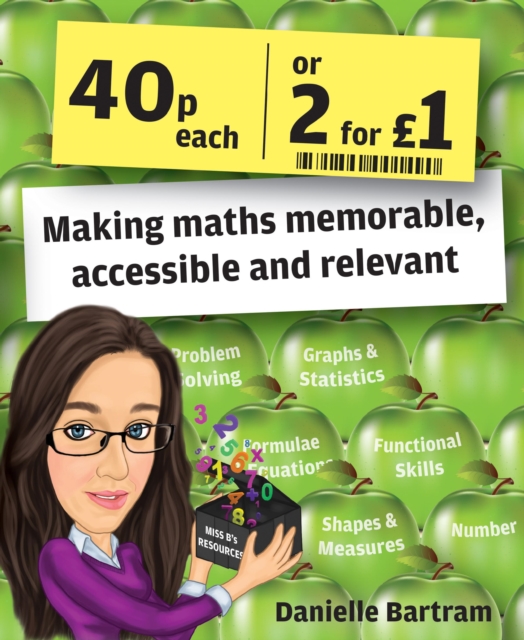
In Forty Pence Each or Two for a Pound: Making Maths Memorable, Accessible and Relevant, Danielle Bartram shares a wealth of practical resources and ideas to help teachers develop a whole-school commitment to, and enthusiasm for, improving numeracy.
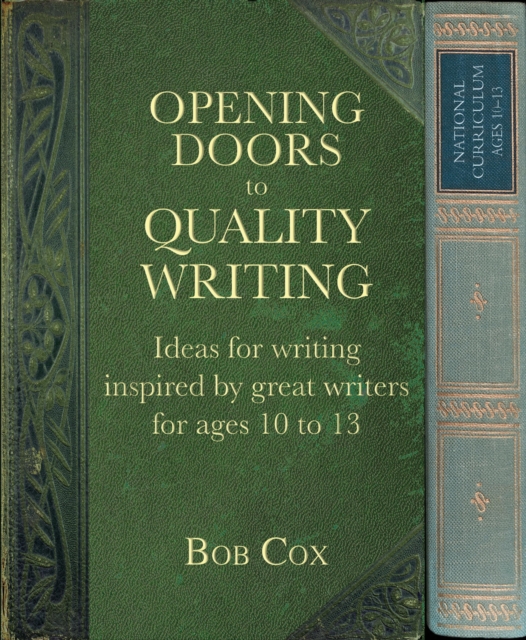
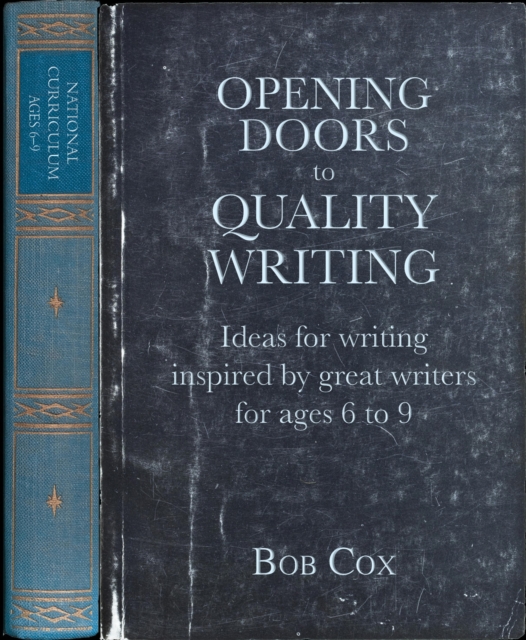
In the course of his educational consultancy work, Bob has seen many teachers successfully use the scope and depth which literature can offer to inspire high standards, mastery learning and, above all, a love of language in its many forms.
In Opening Doors to Famous Poetry and Prose, Bob Cox introduced teachers to engaging strategies which use literary heritage texts as the stimulus for excellent learning.
An elementary school teacher's manual for using A Land Remembered to teach language arts, social studies, and science coordinated with the Sunshine State Standards of the Florida Department of Education.
Bringing Shakespeare to the Sunshine State, this book gathers together a talented group of teachers, choreographers, directors, set designers, musicians, costumers, actors, and artists to discuss how they have adapted the bard's monologues in Miami, assassinated Julius Caesar on the steps of Tallahassee's Capitol, trained students to duel in Florida's Panhandle, placed Shylock on trial in Orlando, and transformed Gainesville into Puck's magical forest.
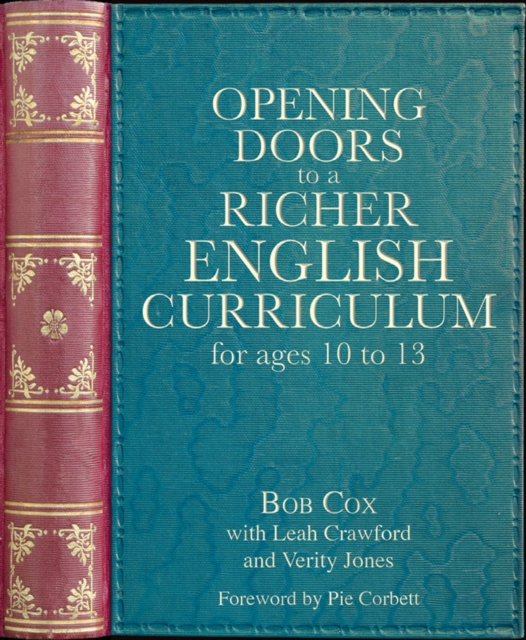
Opening Doors to a Richer English Curriculum for Ages 10 to 13 takes Bob Cox's award-winning 'Opening Doors' series into bold new territories, providing a treasury of techniques and strategies all carefully selected to support the design of a deeper, more creative and more expansive curriculum.
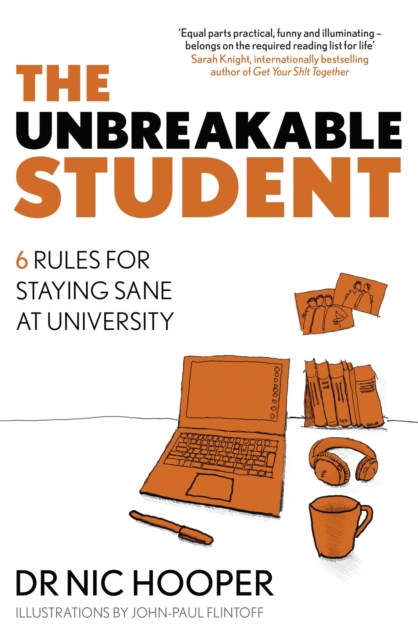
'Equal parts practical, funny and illuminating - belongs on the required reading list for life' - Sarah Knight, internationally bestselling author of Get Your Sh!
En este libro se entiende la lectura como un proceso complejo en el que intervienen factores de índole biológico, cognitivo, perceptivo, lingüístico, sociocultural.
An exploration of the hidden human, emotional, and social dimensions of mathematicsMathematics is often thought of as the coldest expression of pure reason.
Written by two former college athletes, Your Brain Is a Muscle Too is an essential guide to success in the classroom and on the play field for any student athlete.
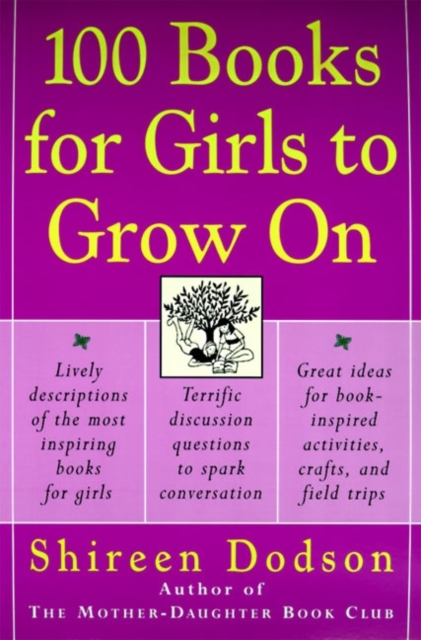
An Inspiring Approach to Reading From A Tree Grows in Brooklyn to Ramona the Pest to Wringer, here are 100 great books guaranteed to stir the imagination, spark conversation, and lead the way to adventure.
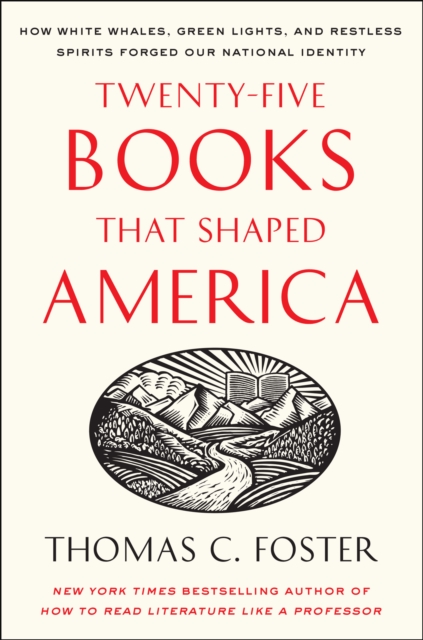
From the author of theNew York TimesbestsellingHow to Read Literature Like a Professorcomes a highly entertaining and informative book on the twenty-five works of literature that have most shaped the American character.
Inspire and engage your students with this Lower Secondary Science course from Collins offering comprehensive coverage of the new curriculum framework including suggested practical investigations and Thinking and Working Scientifically skills.
From bestselling author and teacher Mary Maccracken comes the engaging and inspiring story of five troubled children who she fought to bring back from the brinkJoey is the class clown, but alone proves to be an intensely dark seven-year old who still can't read.
From bestselling author and teacher Mary Maccracken comes the engaging and inspiring story of five troubled children who she fought to bring back from the brinkJoey is the class clown, but alone proves to be an intensely dark seven-year old who still can't read.
The plain guide to the clear presentation of written language: punctuation is the 'nuts and bolts' of the English language, and here is the ideal everyday companion.
An invaluable guide to the world of good grammar which breaks down the barriers that prevent so many articulate, intelligent people from communicating effectively.
A practical teacher guide book for helping students to improve their communication skills in EnglishHow can teachers bridge the gap between the language of the classroom and the world outside?
From bestselling author and teacher Mary Maccracken comes the engaging and inspiring story of five troubled children who she fought to bring back from the brinkJoey is the class clown, but alone proves to be an intensely dark seven-year old who still can't read.
Collins Easy Learning How to Use English is designed to help learners of all ages use individual words correctly, and choose the right words and structures for the meaning they want to convey.
From the bestselling author of How to Read Literature Like a Professor comes this essential primer to reading poetry like a professor that unlocks the keys to enjoying works from Lord Byron to the Beatles.