Molten Salts: Applications, Challenges, and Future Prospects in Energy Systems provides a comprehensive exploration of one of the most important classes of high-temperature functional materials used in modern science and engineering.
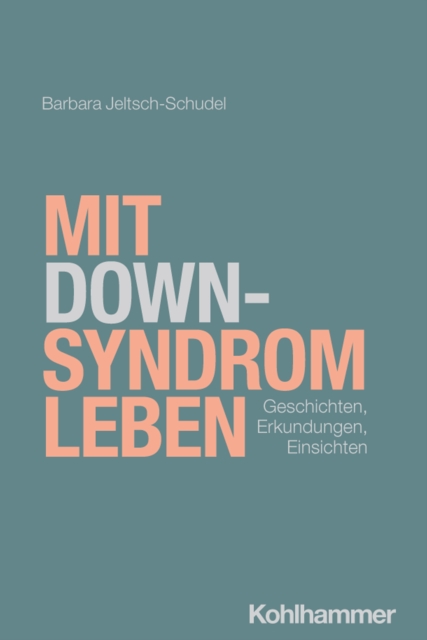
Das Phänomen Down-Syndrom ist vielfältig, facettenreich, komplex: Es betrifft nicht nur Menschen mit einem Chromosom mehr, sondern auch ihre Familien und letztlich geht es uns alle an.
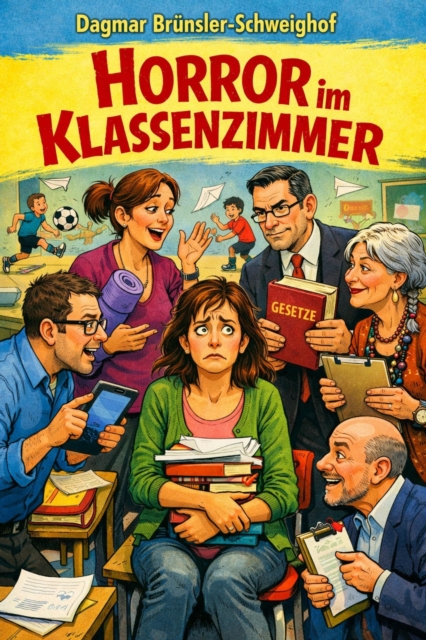
Die Kooperation zwischen Schule und Familie ist traditionell vielschichtig und umfasst weit mehr als den gelegentlichen Austausch zwischen Lehrkraften und Eltern.
PrefaceThe discovery of nanodiamond has transformed our understanding of carbon-based materials and opened exciting opportunities across science, engineering, medicine, and advanced manufacturing.
Das traditionelle institutionelle Bildungssystem klammert sich stur an einen fatalen methodischen Irrtum: Es lehrt hochkomplexe, chaotische Fächer systematisch so, als wären sie simple, sauber geordnete Checklisten.
This collection of six simple Norwegian-English bilingual short stories has been written for beginner learners (A1 level), using clear, accessible language and authentic Norwegian storytelling traditions to explore love, memory, loneliness, and connection.
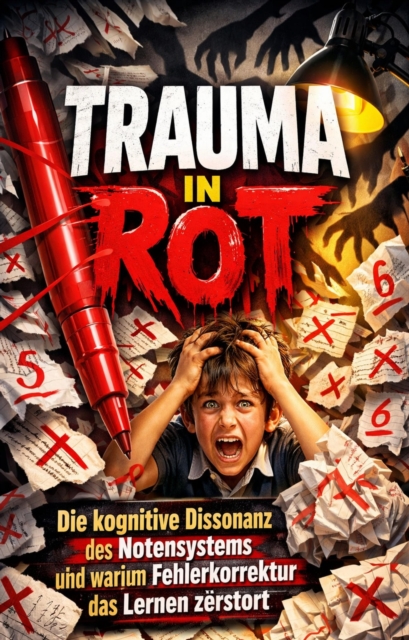
Generationen von Schülern kennen das Gefühl: Man bekommt eine Klassenarbeit zurück, übersät mit roter Tinte und einer vernichtenden Zahl am Ende der Seite.
Step into a world of snowy forests, glowing lanterns, and winter magic in this enchanting collection of four bilingual Norwegian stories for beginner (A1/A2 Level) learners.
In 1949, a psychologist coined a simple phrase that would forever alter our understanding of human education: "e;Neurons that fire together, wire together.
Bevor es gedruckte Bücher oder Smartphones gab, mussten römische Senatoren und antike Gelehrte stundenlange Reden und tausende Fakten frei aus dem Kopf abrufen.
A collection of three original bilingual Dutch-English short stories designed for intermediate learners (B1-B2 Level) who want to improve their Dutch through reading.
The Last Guest at the Party And Other Bilingual Turkish-English Short Stories for Beginners is a bilingual Turkish-English short story collection created specifically for A1-A2 beginner adult learners of Turkish.
Along the sparkling Adriatic coast, where ancient towns meet endless blue seas, three magical tales come to life in this beautifully crafted bilingual Croatian-English collection for beginner readers.
Step into a magical journey through Italy in this enchanting collection of three original bilingual short stories for intermediate learners of Italian (B1-B2).
This collection of five original bilingual Italian-English short stories explores the quiet turning points that shape a life, the moments that feel ordinary while they are happening, but reveal their weight only later.
Provides practical, research-based answers to the questions every teacher asks In today s complex and fast-changing educational landscape, teachers are expected to meet diverse student needs while adapting to shifting standards, technologies, and classroom dynamics.
Prepare for the CompTIA CySA+ CS0-004 exam with comprehensive study resources CompTIA CySA+ Study Guide: Exam CS0-004, Fourth Edition delivers targeted preparation for the updated CS0-004 certification exam.
Prepare for the CompTIA CySA+ CS0-004 exam with comprehensive study resources CompTIA CySA+ Study Guide: Exam CS0-004, Fourth Edition delivers targeted preparation for the updated CS0-004 certification exam.
Provides practical, research-based answers to the questions every teacher asks In today s complex and fast-changing educational landscape, teachers are expected to meet diverse student needs while adapting to shifting standards, technologies, and classroom dynamics.
'Top-notch'Good Housekeeping - BEST PARENTING BOOKS'Helen has a way to take big ideas and convey them with warmth and wisdom' Dr Rangan Chatterjee'A well researched study injected with humour and humanity' Mail on Sunday*Featured on The Happiness Lab with Dr Laurie Santos*After a decade of living in Denmark and raising a family there, Helen Russell noticed that Nordic children are different.