Discover the Sacred in Your StoryImagine gathering around a dim sum table, a lively setting where stories are shared over flavorful bites and heartfelt moments.
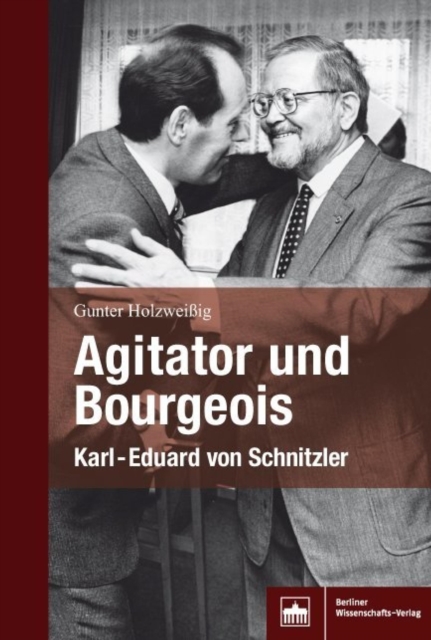
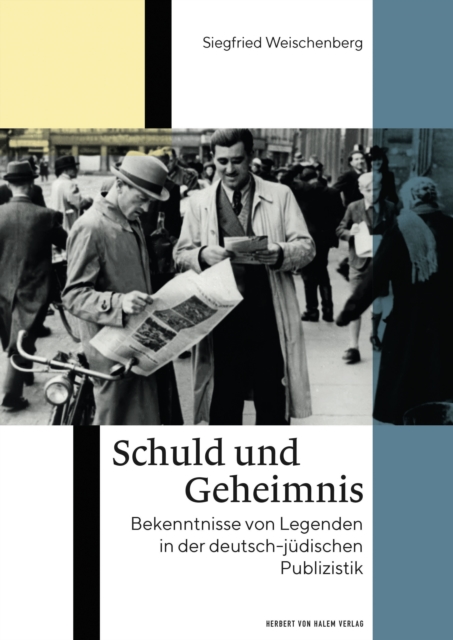
Karl-Eduard von Schnitzler (1918–2001) war als Autor und Moderator der Agitationssendung Der Schwarze Kanal eine der am meisten verachteten Gallionsfiguren des SED-Staates.
Spätestens mit der globalen Ausbreitung des Coronavirus SARS-CoV-2 ist die längst vergessene Debatte um die jederzeitige Aufrechterhaltung einer angemessenen Gesundheitsversorgung der Bevölkerung wieder mehr ins Bewusstsein getreten.
Letzte Worte binden seltener die Person, die damit ihren "letzten" Willen erklärt, sondern vor allem diejenigen, denen eine letztwillige Verfügung gilt.
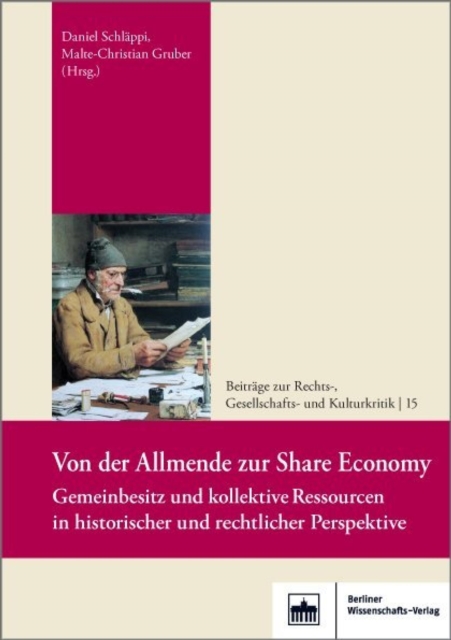
Bei Share Economy denkt heute kaum jemand mehr an Kärrnerarbeit, die Mühsal und das tagtägliche Kleinklein, die für den nachhaltigen Betrieb teilwirtschaftlicher Unternehmen oder Kooperativen nötig sind.
The together project, funded by the state of Baden-Württemberg, aimed to develop an innovative teaching concept for intercultural understanding with partner universities in the Danube region.
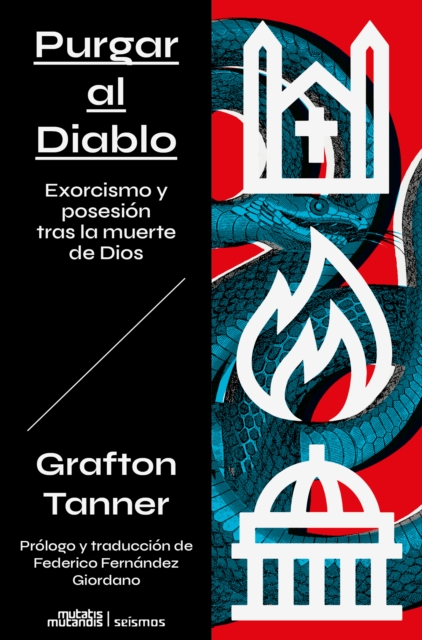
Consideradas en otro tiempo una reliquia del pasado, las demandas de exorcismo han aumentado desde mediados del siglo XX, convirtiéndose en un producto popular del mercado terapéutico y en un arma contra grupos que se resisten a los poderes estatales, corporativos y eclesiásticos.
Las ciencias orientativas de la mente han tratado habitualmente los desvaríos como unos hechos provenientes del interior de los individuos, de su cerebro o su mente.
Die Moderne hat den Pranger nicht abgeschafft, sondern nur neu erfunden: Der Schauplatz für die öffentliche Vorführung und Beschämung von Personen ist im 21.
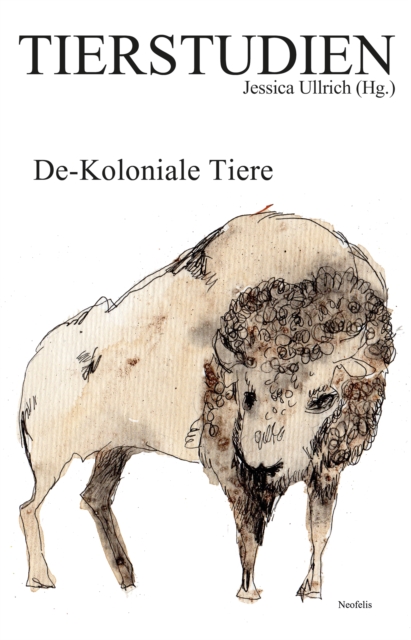
Tiere spielen eine zentrale Rolle in der Geschichte des Kolonialismus, sowohl in der historischen Aneignung fremder Gebiete, in Methoden kolonialer Erschließung und Ausbeutung als auch im Export kolonialer 'Güter' in die europäischen Staaten und in der dortigen Darstellung der Kolonialgebiete.
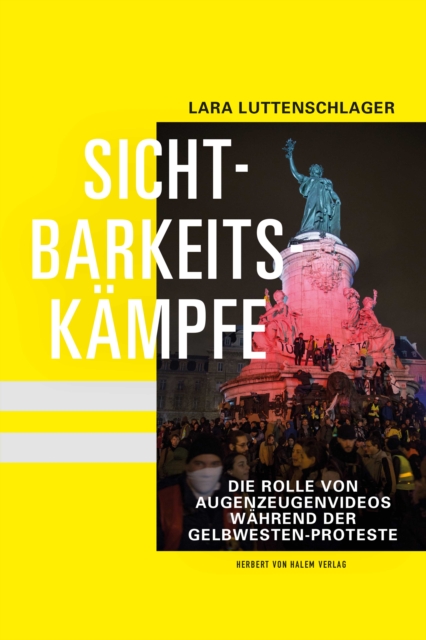
Mit der digitalen Medienrevolution ist mediale Sichtbarkeit zu einem zentralen Mittel der Konfliktaustragung geworden – und dadurch selbst so umkämpft wie nie.
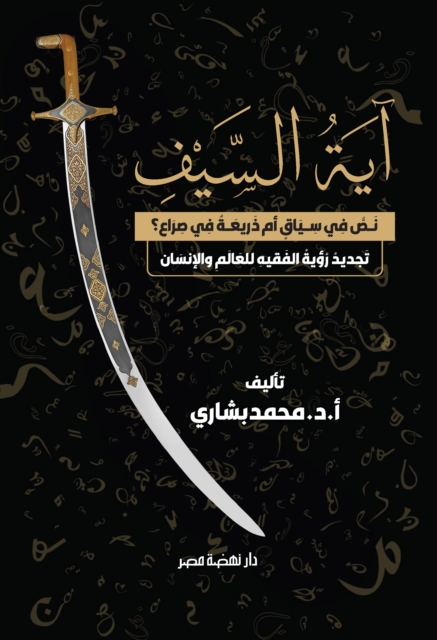
"The book addresses the topic of peace in Islam from multiple angles: jurisprudential, legal, historical, and philosophical, in terms of it being a fundamental concept in civilizational development and human relations.
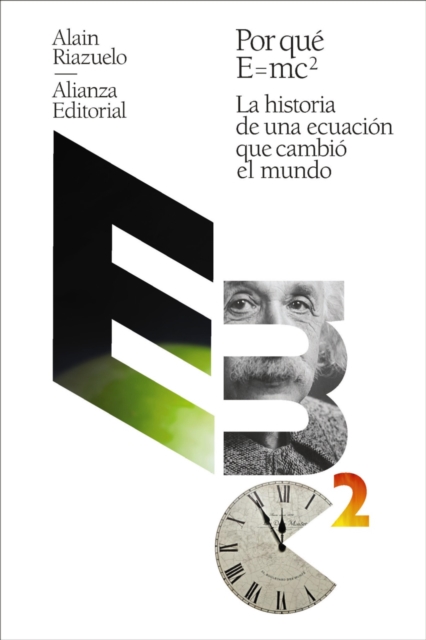
Desde los antiguos griegos a los modernos físicos cuánticos, esta historia nos muestra cómo E=mc² no es solo una ecuación, sino la llave maestra para comprender los secretos más profundos del cosmos.
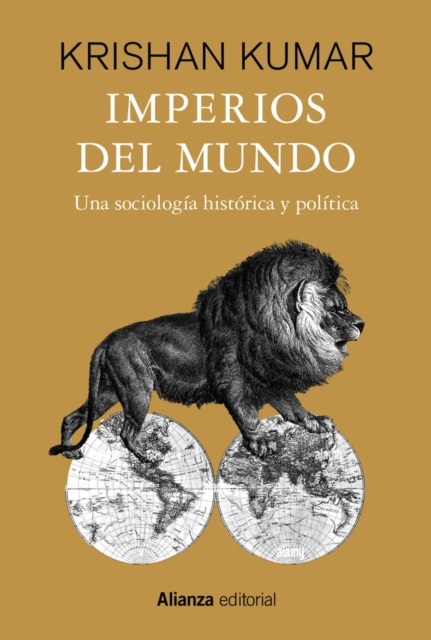
El imperio ha sido la forma de organización política más común durante la mayor parte de nuestra historia, pero las líneas que lo definen se han ido haciendo cada vez más borrosas.
¿Qué tienen en común las fotografías de vejaciones humanas de Abu Ghraib, el álbum de Auschwitz y las fotos de prisioneros arrancadas por los torturadores de las más feroces dictaduras de Chile, Argentina, Brasil o Camboya?
«Utilizaremos la historia de los relojes para analizar el capitalismo, el intercambio de conocimientos, la construcción de los imperios y los cambios radicales en nuestras vidas que ha provocado la industrialización.
Internet es el mayor instrumento de registro que la humanidad ha desarrollado hasta la fecha, lo que explica la importancia de los cambios que ha desencadenado.
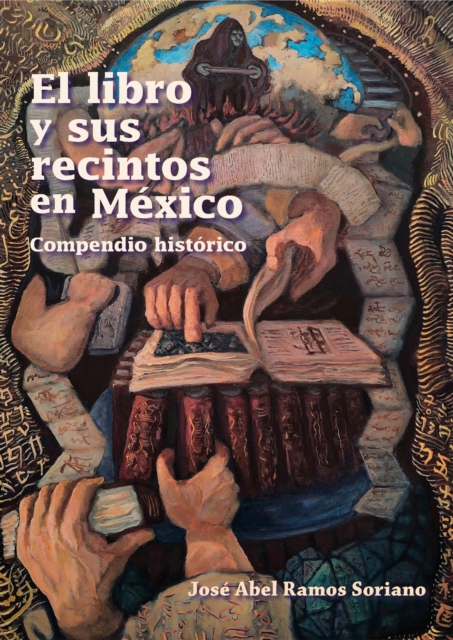
El libro ofrece un recorrido amplio y accesible por la historia cultural del libro a través de los espacios que han permitido su conservación, circulación y valoración social.
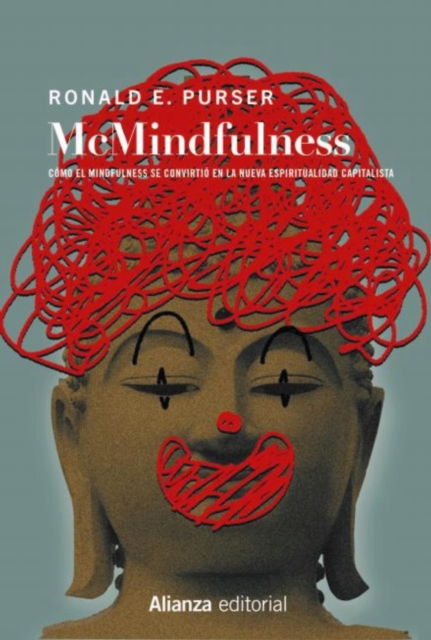
Tras cosechar el apoyo de todo tipo de celebridades y ver a monjes, neurocientíficos y gurús de la meditación compartir mesa con los directores ejecutivos de algunas de las empresas más poderosas del planeta en el Foro Económico Mundial de Davos, no cabe duda de que el mindfulness se ha convertido ya en una tendencia mayoritaria.
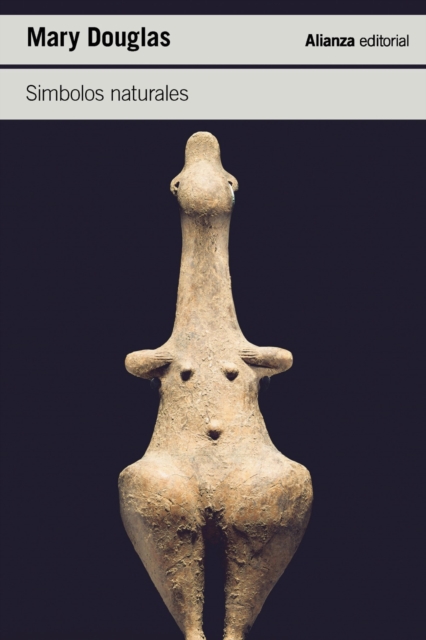
Escrita a lo largo de la convulsa época que agitó a la sociedad occidental a finales de los años 1960, Símbolos naturales (1970) es la obra más importante de la antropóloga Mary Douglas (1921-2007) junto con Pureza y peligro.
Félix Ovejero, filósofo en labores de artificiero, comparte su saber sobre los asuntos más diversos, de los problemas de las ciencias sociales a la racionalidad, la biología, la naturaleza humana, las convulsiones de la democracia, el identitarismo, la crisis y la posible refundación de la izquierda, el auge woke o la fundación de Ciudadanos.