In this Tang Classic text from the 9th Century, Daoist practitioner Shi Jianwu describes how through adapting our own breathing to the breath of the universe and daily meditation, one can develop an astral body and 'transcend earthly matters to walk in the divine'.
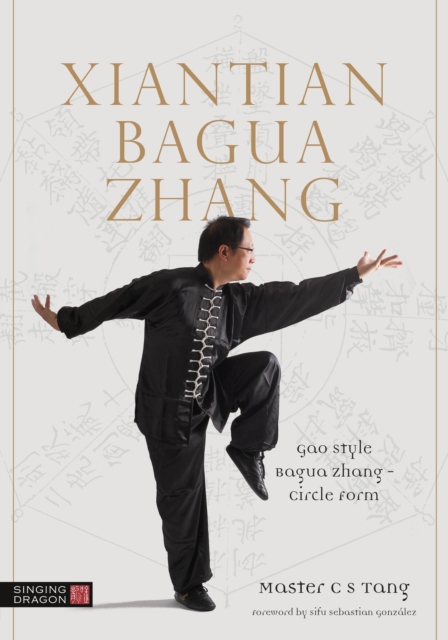
With clear instruction and expert guidance, this fully illustrated guide to Bagua Zhang teaches all you need to know about this subtle, powerful martial art.
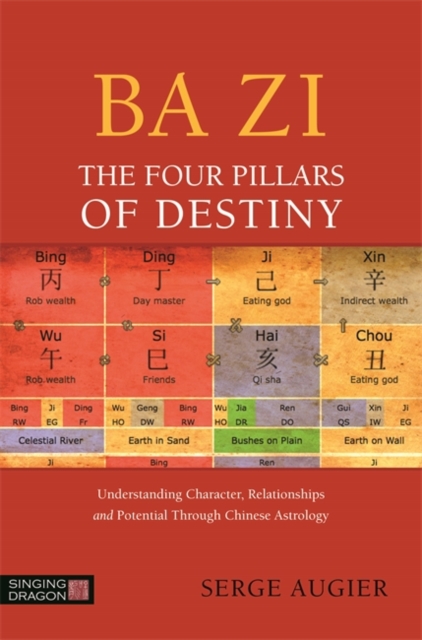
This westerner's guide to Chinese astrology (Ba Zi) explains the basis on which charts are drawn up, how they work, and how they provide the tools to understand ourselves and our relationships with others.
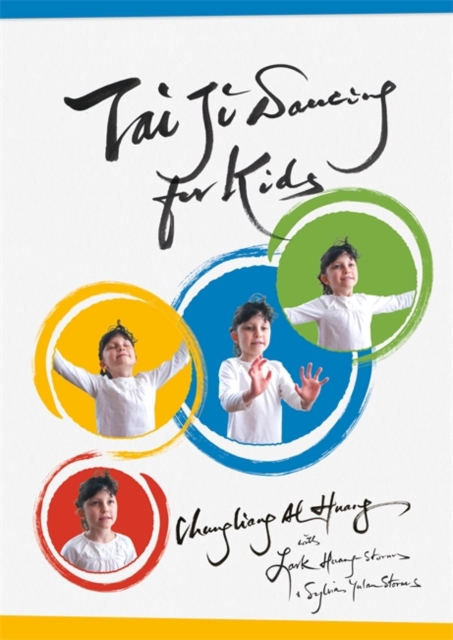
With simple and evocative words, calligraphy, and home photos of the words in action, grandfather and granddaughter team Chungliang and Sylvia bring the spirit of Tai Ji to life.
Although the energetic anatomy of men and women is different, the ancient teachings of Nu Dan, a separate branch of internal alchemy for women, have been lost in the literature over the centuries and only survive through practice in the lineages.
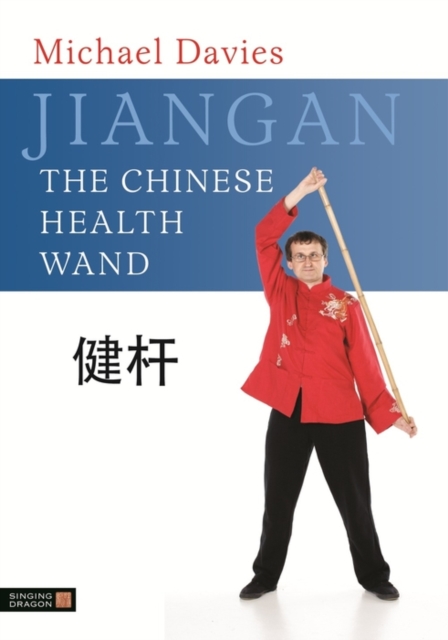
Long before Tai Chi and Qigong became household names in the West, an American sailor visiting Shanghai discovered a gentle Chinese exercise called Jiangan - The Chinese Health Wand.
Nei Gong is the practice leading to attainment of real internal skill and transformation, and the philosophical art of change that runs through all Daoist practice.
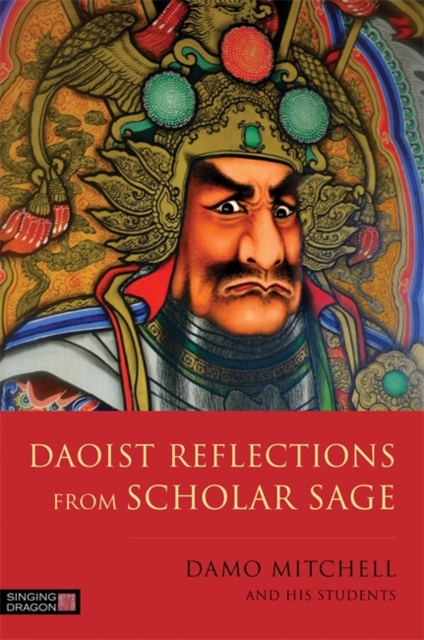
This collection of fascinating short reads on Daoist thought, including Chinese medicine brings together some of the most popular articles from the Scholar Sage online magazine, alongside new material from Damo Mitchell.
Navigating between society's moral panics about the influence of violent videogames and philosophical texts about self-cultivation in the martial arts, The Virtual Ninja Manifesto asks whether the figure of the 'virtual ninja' can emerge as an aspirational figure in the twenty-first century.
Navigating between society's moral panics about the influence of violent videogames and philosophical texts about self-cultivation in the martial arts, The Virtual Ninja Manifesto asks whether the figure of the 'virtual ninja' can emerge as an aspirational figure in the twenty-first century.
Nei Gong is the practice leading to attainment of real internal skill and transformation, and the philosophical art of change that runs through all Daoist practice.
In this Tang Classic text from the 9th Century, Daoist practitioner Shi Jianwu describes how through adapting our own breathing to the breath of the universe and daily meditation, one can develop an astral body and 'transcend earthly matters to walk in the divine'.
With simple and evocative words, calligraphy, and home photos of the words in action, grandfather and granddaughter team Chungliang and Sylvia bring the spirit of Tai Ji to life.
With clear instruction and expert guidance, this fully illustrated guide to Bagua Zhang teaches all you need to know about this subtle, powerful martial art.
This collection of fascinating short reads on Daoist thought, including Chinese medicine brings together some of the most popular articles from the Scholar Sage online magazine, alongside new material from Damo Mitchell.
This westerner's guide to Chinese astrology (Ba Zi) explains the basis on which charts are drawn up, how they work, and how they provide the tools to understand ourselves and our relationships with others.
Although the energetic anatomy of men and women is different, the ancient teachings of Nu Dan, a separate branch of internal alchemy for women, have been lost in the literature over the centuries and only survive through practice in the lineages.
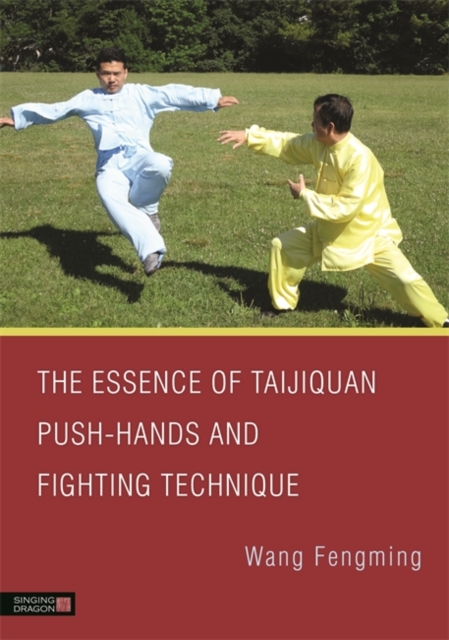
Traditionally shrouded in mystery and taught only to the closest students, the secrets of Taijiquan push-hands and fighting technique from the Chen style are revealed in this book.
Long before Tai Chi and Qigong became household names in the West, an American sailor visiting Shanghai discovered a gentle Chinese exercise called Jiangan - The Chinese Health Wand.
The world first took notice of a religious group called Falun Gong on April 25, 1999, when more than 10,000 of its followers protested before the Chinese Communist headquarters in Beijing.
The world first took notice of a religious group called Falun Gong on April 25, 1999, when more than 10,000 of its followers protested before the Chinese Communist headquarters in Beijing.