Diagnosis through images, robot surgeons, digital twins, and the metaverse are some of the applications in which artificial intelligence (AI) is involved.
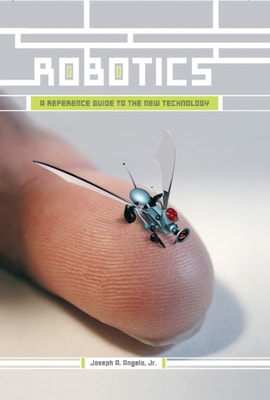
Although advanced technologies are the cornerstone of modern life, few people understand how such technologies as robotics or nuclear science actually work.
After many years during which it languished in relative obscurity, in remote classrooms of computer science departments and in small prototype projects for tech companies, artificial intelligence (AI) is now a searingly hot topic across the media.
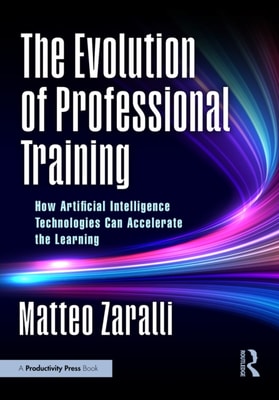
Structured into three distinct parts, this book is an indispensable resource for navigating the evolution of education and professional training in the age of artificial intelligence (AI) and virtual reality.
Building on the knowledge of risks, vulnerabilities, and safety measures associated with cyber-physical systems, this book focuses on adapting artificial intelligence (AI) techniques to smart cyber-physical systems application development.
After many years during which it languished in relative obscurity, in remote classrooms of computer science departments and in small prototype projects for tech companies, artificial intelligence (AI) is now a searingly hot topic across the media.
The increasing prominence of generative AI across various industries presents an abundance of opportunities for integration within the healthcare sector.
Advances in Artificial Intelligence for Healthcare Applications comprehensively covers the theoretical foundations, applications, and research potential of artificial intelligence in the healthcare domain.
There has been a lot of innovation in systems engineering and some fundamental advances in the fields of optics, imaging, lasers, and photonics that warrant attention.
This book comprehensively covers core algorithms and techniques used in artificial intelligence (AI) and machine learning (ML) for engineering applications.
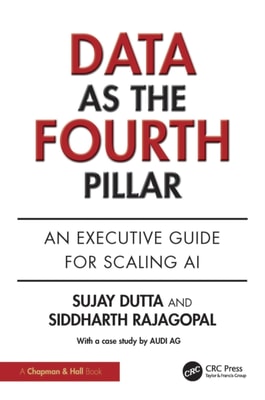
This book explores the multifaceted nature of AI implementation in modern business strategy, focusing on its present and future impact on various sectors.
This reference text presents industrial and real-case scenarios of the various businesses from the edge points to the interior manufacturing units where the data is smartly generated using the Internet of Things and processed.
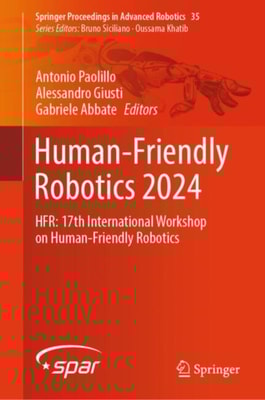
This book covers a wide range of topics related to human-robot interaction, both physical and cognitive, including theories, methodologies, technologies, and experimental studies.
This book provides a detailed study of several types of control problems in multi-agent systems, including consensus, output regulation, containment, and formation problems.
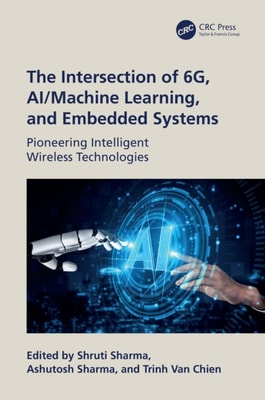
This comprehensive guide to the emerging areas and synergistic relationships among the domains of 6G, machine learning, and embedded systems offers readers a detailed analysis of their converging paths and contributions to the development of intelligent wireless systems.
This book provides a detailed study of several types of control problems in multi-agent systems, including consensus, output regulation, containment, and formation problems.
With contributions from experts from around the world, this handbook aims to systemize the existing experience and knowledge that can be used to the development of more efficient and controlled railway systems.
Comprising two volumes, RNA: Computational Methods for Structure, Kinetics, and Rational Design is a comprehensive treatment of computational methods concerning the secondary structure, folding kinetics and rational design of RNA.