This volume of proceedings reviews the status of risks entailed in the manufacture, handling, use and disposal of the chemicals on which we all depend and suggests further action for the protection of both the workplace and the natural environment.
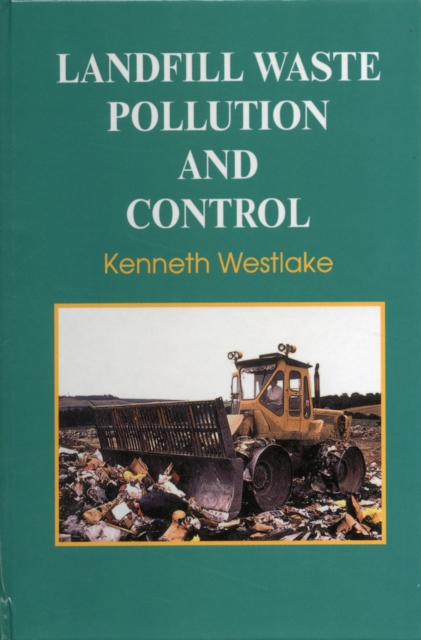
This book addresses a pollution hazard prevalent in most cities and large towns world-wide by providing an understanding of the scientific and technical control of the landfill method of domestic and non-domestic waste disposal, considered within the framework of integrated waste management.
Sustainable Management of Urban Plastic Waste Through Circular Economic Approaches covers the technologies and methods essential to overcome single-use plastic processing waste.
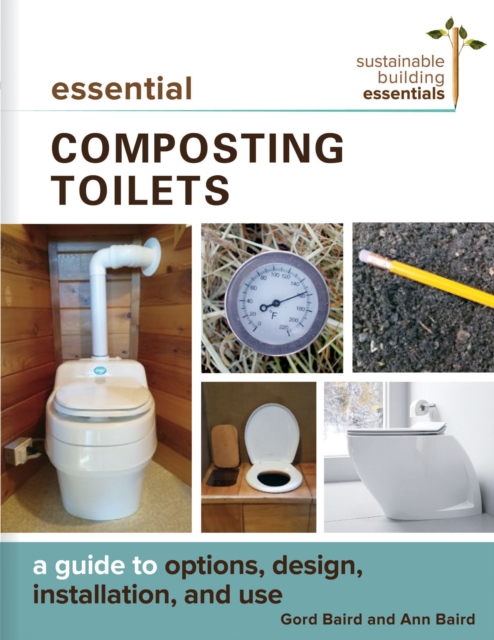
Transform Waste into a Resource with Safe, Efficient Composting ToiletsPart of the Sustainable Building Essentials series, Essential Composting Toilets is the practical guide to designing, installing, and operating water-saving, environmentally friendly toilet systems.
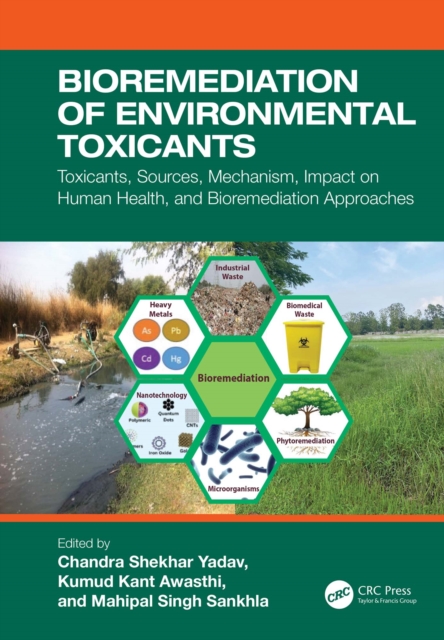
Bioremediation of Environmental Toxicants: Toxicants, Sources, Mechanism, Impact on Human Health, and Bioremediation Approaches provides insight into the nature of environmental toxicants, the impact on human health, and their bioremediation approaches, viz.
Ecosystem services provide benefits to humans, includingprovisioning services (food, water, timber, fibre and genetic resources), regulating services (regulation of climate, floods, diseases and water quality), cultural services (recreational, aesthetic and spiritual), and support services (soil formation, pollination and nutrient cycling).
Microbial ecology is pivotal in wastewater treatment, where microorganisms play a vital role in breaking down organic matter and ultimately reduce the levels of contaminants in treated water, making it safe for reuse in agriculture, industry, and other applications.
This book focuses on the present and future trends, technologies, as well as regulations for the reduction, reuse, and recycling of technological waste globally from the perspective of environmental, social, and economic elements of the different connected systems.
Environmental Hazards of Plastic Wastes: Bioremediation Approaches for Environmental Clean-up focuses on the exploitation of various biological treatment technologies, their use to treat plastic contaminants, and restoration of contaminated sites.
Household hazardous waste (HHW) is a topic that affects every individual and community given the nearly universal use, storage, and disposal of chemical consumer products.
This two-volume set provides a comprehensive overview of modern nanoscience, and encompasses advanced techniques of nanocomposite materials that make their way from the laboratory to the field for the revival of energy and environmental systems in a sustainable manner.
As global populations surge, the availability of clean water continues to decline, necessitating a paradigm shift toward pollution mitigation and sustainable water management.
This interdisciplinary book incorporates various aspects of environment, ecology, and natural disaster management including cognitive informatics and computing.
This book focuses on the advantageous features of membrane technology in petroleum industries, with an emphasis on membrane materials and the application of membranes in the separation of olefin-paraffin, oil-water, aliphatic-aromatics, heavy metals, etc.
The past 30 years have seen the emergence of a growing desire worldwide that positive actions be taken to restore and protect the environment from the degrading effects of all forms of pollution-air, water, soil, and noise.
Transform Waste into a Resource with Safe, Efficient Composting ToiletsPart of the Sustainable Building Essentials series, Essential Composting Toilets is the practical guide to designing, installing, and operating water-saving, environmentally friendly toilet systems.
This book provides an overview of recent advances in technologies for water treatment processes, such as green technology, nano-adsorbents, photocatalysts, advanced oxidation, membranes separation and sustainable technologies.
The sale of Electrical and Electronic Equipment (EEE) is growing worldwide due to technological innovations and the speed with which they become obsolete, which increases the production of a solid residue called Waste Electrical and Electronic Equipment (WEEE), or e-Waste.
Wastewater Treatment: Processes, Uses and Importance begins by providing information about wastewater treatment and its various application, especially in agriculture sectors.
In this collection, the authors report on the pretreatment methods for waste activated sludge based on pulsed electric field and corona discharge techniques.
This reference book is an IGI Global Core Reference for 2019 as it was edited by a well-known environmental scholar from the National University of Singapore (NUS), Singapore, providing essential research on the conceptualization and implementation of smart cities and related technologies within urban environments.
This book presents an overview of municipal solid waste recycling, and how it can be used to generate clean power, transport fuels that can substitute fossil fuels, and value-based chemicals with minimal environmental impact.
Highly recommended by CHOICE, Oct 2018Extremophiles are nature's ultimate survivors, thriving in environments ranging from the frozen Antarctic to abyssal hot hydrothermal vents.
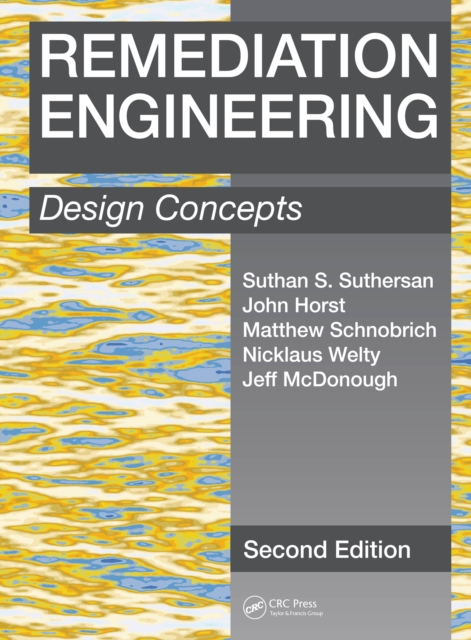
"e;This second edition of Remediation Engineering will continue to be the seminal handbook that regulators must have on-hand to address any of the remediation issues they are grappling with daily.
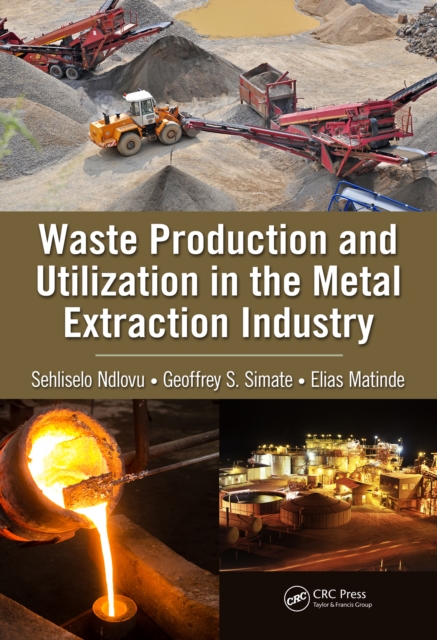
Increasingly stringent environmental regulations and industry adoption of waste minimization guidelines have thus, stimulated the need for the development of recycling and reuse options for metal related waste.
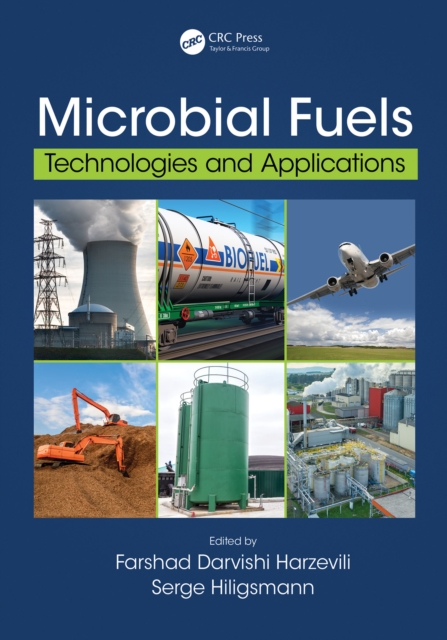
The book will highlight major trends and developments in the field of microbial fuels, with contributions from a number of highly experienced researchers.
This new edition has been revised throughout, and adds several sections, including: lean manufacturing and design for the environment, low impact development and green infrastructure, green science and engineering, and sustainability.
Microbial Biotechnology: An Interdisciplinary Approach covers all aspects of microbial biotechnology, whilst bringing the field of functional foods and microbial bioremediation to the fore.