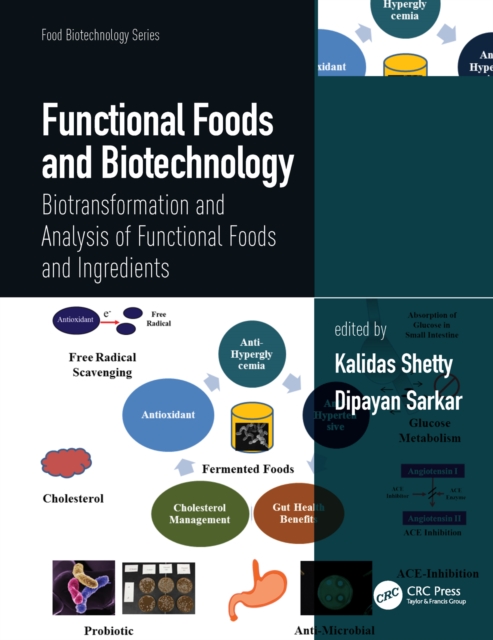
The second book of the Food Biotechnology series, Functional Foods and Biotechnology: Biotransformation and Analysis of Functional Foods and Ingredients highlights two important and interrelated themes: biotransformation innovations and novel bio-based analytical tools for understanding and advancing functional foods and food ingredients for health-focused food and nutritional security solutions.
The second book of the Food Biotechnology series, Functional Foods and Biotechnology: Biotransformation and Analysis of Functional Foods and Ingredients highlights two important and interrelated themes: biotransformation innovations and novel bio-based analytical tools for understanding and advancing functional foods and food ingredients for health-focused food and nutritional security solutions.
The first of two related books that kick off the Food Biotechnology series, Functional Foods and Biotechnology: Sources of Functional Foods and Ingredients, focuses on the recent advances in the understanding of the role of cellular, metabolic, and biochemical concepts and processing that are important and relevant to improve functional foods and food ingredients targeting human health benefits.
The first of two related books that kick off the Food Biotechnology series, Functional Foods and Biotechnology: Sources of Functional Foods and Ingredients, focuses on the recent advances in the understanding of the role of cellular, metabolic, and biochemical concepts and processing that are important and relevant to improve functional foods and food ingredients targeting human health benefits.
This new book discusses food quality and safety standards that are critically important for both developed and developing economies, where consumer safety is among the primary issues to be considered in food supply chain management.
This new book discusses food quality and safety standards that are critically important for both developed and developing economies, where consumer safety is among the primary issues to be considered in food supply chain management.
First published in 1996, liposomes have become an important model in fundamental biomembrane research, including biophysical, biochemical, and cell biological studies of membranes and cell function.
First published in 1982: This publication should be an invaluable tool to food technologists, dieticians, and nutritionalists, as well as to livestock producers and persons engaged in production, processing, and formulation of animal feeds.
First published in 1996, liposomes have become an important model in fundamental biomembrane research, including biophysical, biochemical, and cell biological studies of membranes and cell function.
First published in 1982: This publication should be an invaluable tool to food technologists, dieticians, and nutritionalists, as well as to livestock producers and persons engaged in production, processing, and formulation of animal feeds.
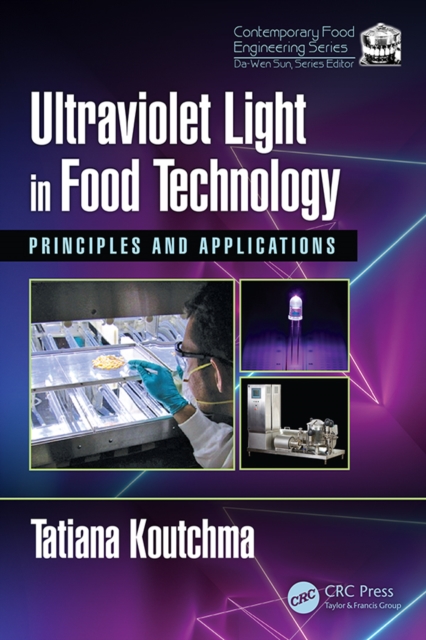
UV light is one of a number of emerging non-thermal food processing technologies that can be used in a broad range of applications producing food products with longer shelf-life, more safe, and with higher nutritional quality.
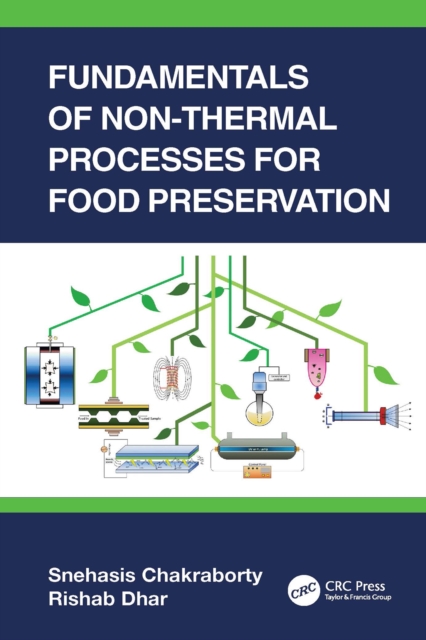
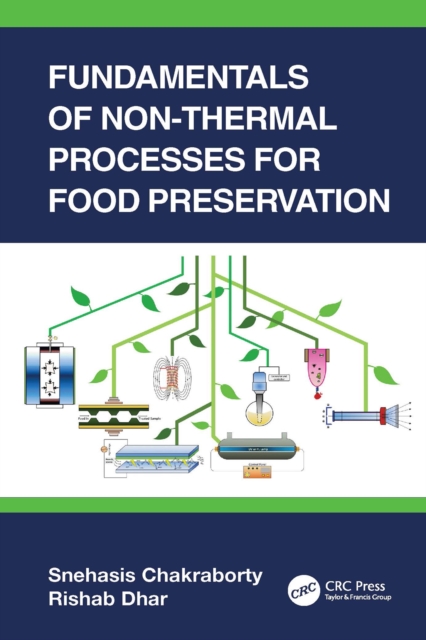
The ten chapters of this textbook, written in a simple but scientific language, encompass all the non-thermal treatments in-depth, from basic concepts to technological advances.
The ten chapters of this textbook, written in a simple but scientific language, encompass all the non-thermal treatments in-depth, from basic concepts to technological advances.
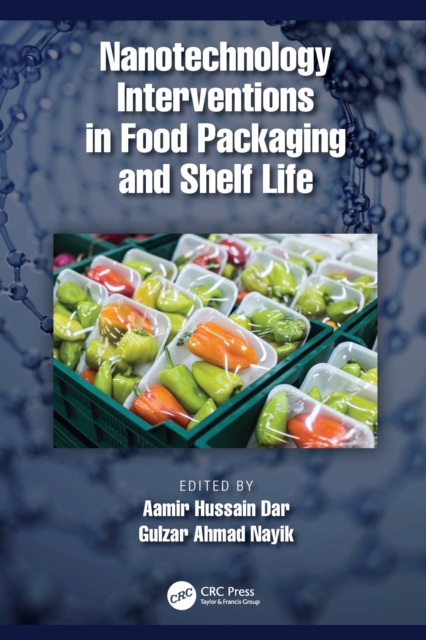
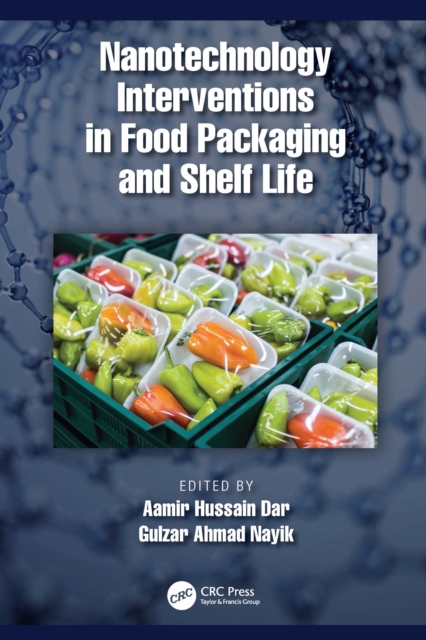
Nanotechnology has revolutionized agriculture and food technology, improving the shelf life of foods through interventions of nanomaterials in the packaging.
Nanotechnology has revolutionized agriculture and food technology, improving the shelf life of foods through interventions of nanomaterials in the packaging.
In the last ten years there has been an exponential increase in the adoption of high-density farming, which leads to better yield and higher-quality fruits, thus improving the economic return.
In the last ten years there has been an exponential increase in the adoption of high-density farming, which leads to better yield and higher-quality fruits, thus improving the economic return.
Recent advances in agri-food technology have brought increasing complexity and emerging challenges to food safety regulation and governance, with many countries greatly divided in their regulatory approaches.
Recent advances in agri-food technology have brought increasing complexity and emerging challenges to food safety regulation and governance, with many countries greatly divided in their regulatory approaches.
This book examines the implications of the net zero transition for food and farming in the UK and how these can be managed to avoid catastrophic climate change in the crucial decades ahead.
This book examines the implications of the net zero transition for food and farming in the UK and how these can be managed to avoid catastrophic climate change in the crucial decades ahead.