Generating of agricultural wastes and by-products during the production, processing and consumption of agricultural commodities is unavoidable and over the last decades, an increased public interest has been shown in the challenge of food wastage.
The diverse segments of the snack industries that generate close to $520 billion of annual sales are adapting to new consumer's expectations, especially in terms of convinience, flavor, shelf life, and nutritional and health claims.
The diverse segments of the snack industries that generate close to $520 billion of annual sales are adapting to new consumer's expectations, especially in terms of convinience, flavor, shelf life, and nutritional and health claims.
Generating of agricultural wastes and by-products during the production, processing and consumption of agricultural commodities is unavoidable and over the last decades, an increased public interest has been shown in the challenge of food wastage.
Biomaterials in Food Packaging presents up-to-date research on the applications and development of the packaging materials that originate from biological resources.
Biomaterials in Food Packaging presents up-to-date research on the applications and development of the packaging materials that originate from biological resources.
In the last decade, there has been substantial research dedicated towards prospecting physiochemical, nutritional and health properties of novel protein sources.
In the last decade, there has been substantial research dedicated towards prospecting physiochemical, nutritional and health properties of novel protein sources.
The book provides facts of fruits and their role in curing of diseases with cell line or animal studies and their pharmacological evidence would help the readers to understand the subject in greater depth.
The book provides facts of fruits and their role in curing of diseases with cell line or animal studies and their pharmacological evidence would help the readers to understand the subject in greater depth.
This book provides an exhaustive coverage on all the types of food products-fruits, vegetables, cereals, dairy and meat processing and their preservation.
This book provides an exhaustive coverage on all the types of food products-fruits, vegetables, cereals, dairy and meat processing and their preservation.
In this book, several functional foods or food ingredients, their mechanism of immune enhancing properties and use in food products have been discussed through seventeen chapters written by eminent authors.
In this book, several functional foods or food ingredients, their mechanism of immune enhancing properties and use in food products have been discussed through seventeen chapters written by eminent authors.
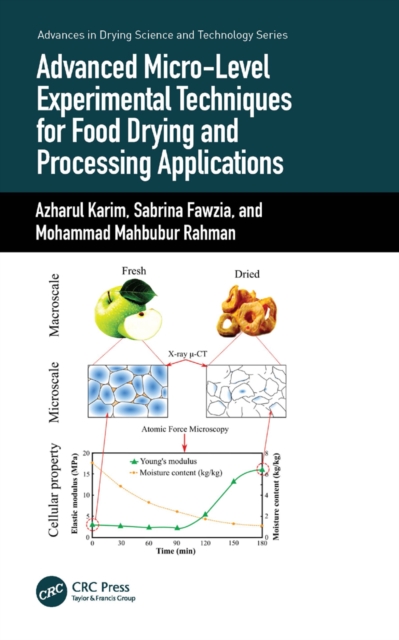
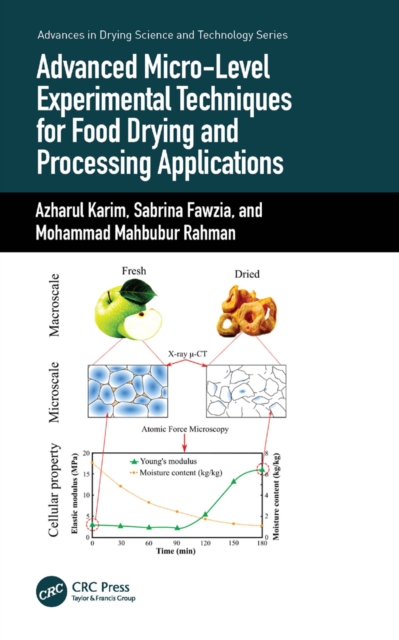
Although strides have been made to quantitatively explore micro-level structural changes during food processing using advanced technologies, there is currently no comprehensive book that details these developments.
Although strides have been made to quantitatively explore micro-level structural changes during food processing using advanced technologies, there is currently no comprehensive book that details these developments.
Basic Laboratory Methods for Biotechnology, Third Edition is a versatile textbook that provides students with a solid foundation to pursue employment in the biotech industry and can later serve as a practical reference to ensure success at each stage in their career.
Basic Laboratory Methods for Biotechnology, Third Edition is a versatile textbook that provides students with a solid foundation to pursue employment in the biotech industry and can later serve as a practical reference to ensure success at each stage in their career.
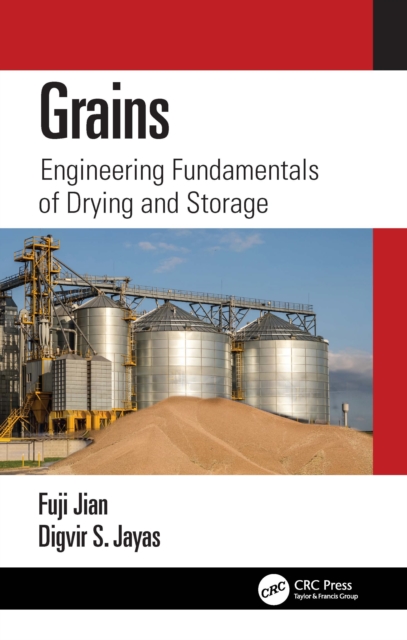
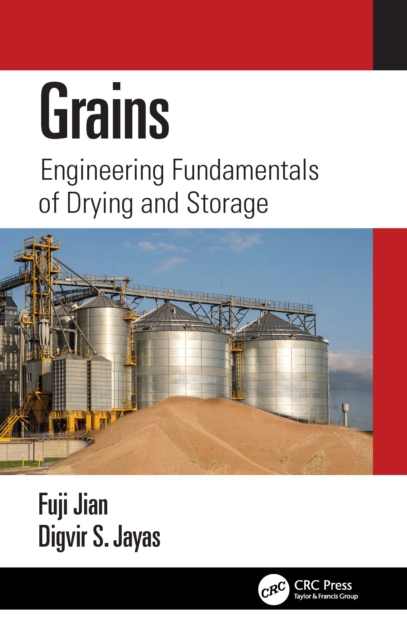
Drying and storage are two significant unit operations in the food industry and are applied to both raw and processed products including cereal grains, oilseeds, legumes, flour, noodle, coffee, and cornstarch.
Drying and storage are two significant unit operations in the food industry and are applied to both raw and processed products including cereal grains, oilseeds, legumes, flour, noodle, coffee, and cornstarch.
Aquaculture, the youngest, fastest-growing, and most dynamic protein-producing industry, has the key advantage of efficient use of feed that allows farmed fish to be competitively priced compared with terrestrial proteins.
Aquaculture, the youngest, fastest-growing, and most dynamic protein-producing industry, has the key advantage of efficient use of feed that allows farmed fish to be competitively priced compared with terrestrial proteins.
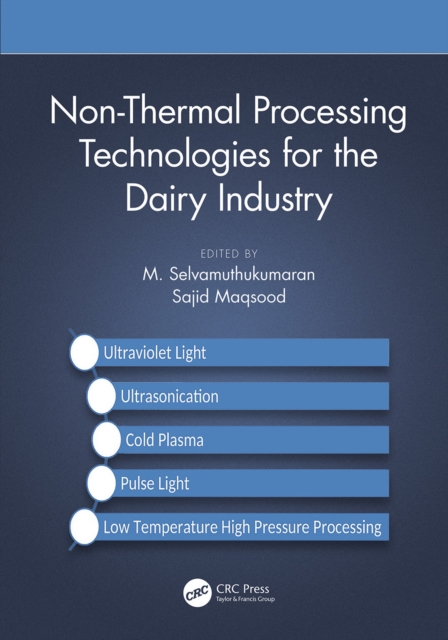
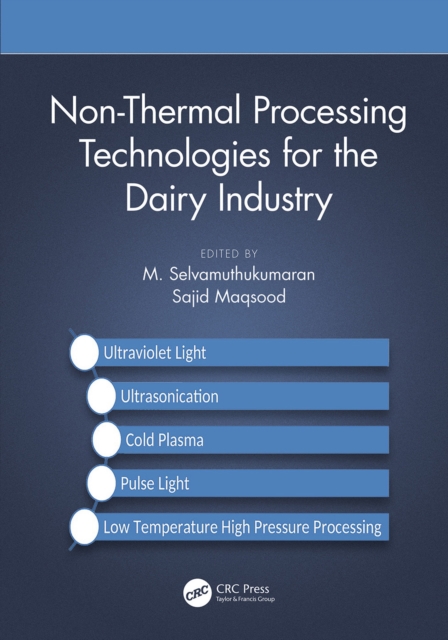
The dairy industry usually adopts conventional methods of processing various milk-based food products, which can destroy nutrients and minimize organoleptic qualities.
The dairy industry usually adopts conventional methods of processing various milk-based food products, which can destroy nutrients and minimize organoleptic qualities.
There is an increasing interest in plants of the Moringa genus used as a source of phytochemicals with biopharmaceutical potential, as a functional ingredient in many products and as an additive in poultry feeding stocks.
There is an increasing interest in plants of the Moringa genus used as a source of phytochemicals with biopharmaceutical potential, as a functional ingredient in many products and as an additive in poultry feeding stocks.