This book discusses a major issue in the food contact materials industry: non-intentionally added substances (NIAS), and their impact on PET-bottled water.
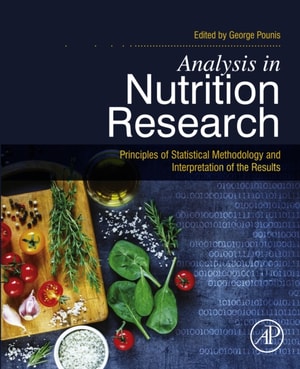
Analysis in Nutrition Research: Principles of Statistical Methodology and Interpretation of the Results describes, in a comprehensive manner, the methodologies of quantitative analysis of data originating specifically from nutrition studies.
Context: The Effects of Environment on Product Design and Evaluation addresses the environment, or context, in which we consume products and the impact of context on choice and acceptability.
Adult Short Bowel Syndrome: Nutritional, Medical, and Surgical Management serves as a practical guide to the medical, surgical and nutritional care of complex patients with Short Bowel Syndrome (SBS), providing information on SBS with the most up-to-date, evidence-based data available.
Modern Techniques for Food Authentication, Second Edition presents a comprehensive review of the novel techniques available to authenticate food products, including various spectroscopic technologies, methods based on isotopic analysis and chromatography, and other techniques based on DNA, enzymatic analysis and electrophoresis.
Easy Statistics for Food Science with R presents the application of statistical techniques to assist students and researchers who work in food science and food engineering in choosing the appropriate statistical technique.
Food Safety and Quality Systems in Developing Countries: Volume III: Technical and Market Considerations is a practical resource for companies seeking to supply food products from developing countries to developed country markets or to transnational business located in developing countries.
Evaluation Technologies for Food Quality summarizes food quality evaluation technologies, which include sensory evaluation techniques and chemical and physical analysis.
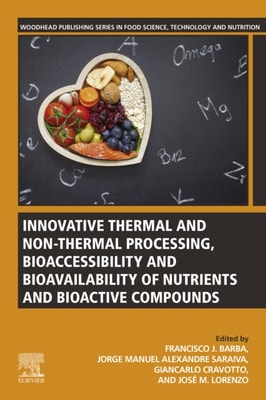
Innovative Thermal and Nonthermal Processing, Bioacessibility and Bioavailability of Nutrients and Bioactive Compounds presents the implications of conventional and innovative processing on the nutritional and health aspects of food products.
Analytical Methods for Food Safety by Mass Spectrometry, Volume One: Pesticides systematically introduces the Pesticide and Veterinary Drug Multiresidues Analytical Methods.
Analytical Methods for Food Safety by Mass Spectrometry, Volume Two: Veterinary Drugs systematically introduces the Pesticide and Veterinary Drug Multiresidues Analytical Methods, with discussions on 69 veterinary drug multiresidues chromatic-MS analytical methods that are capable of detecting over 200 veterinary drugs and chemical residues of 20 categories, such as -agonists, -lactams, aminoglycosides, amphenicols, anabolic hormone, anabolic steroids, avermectins, benzimidazole, cephalosporins, glucocorticoid steroids, macrolides, nitrofurans, nitroimidazoles, NSAIDs, polyether, polypeptides, progestagens, pyrazolones, quinolones, quinoxalines, sedatives, sulfonamides, synthetic estrogens, tetracyclines, thyreostats, and other toxins in animal and poultry tissues, acquatic products, milk, milk powders and bee products.
Advances in Food Authenticity Testing covers a topic that is of great importance to both the food industry whose responsibility it is to provide clear and accurate labeling of their products and maintain food safety and the government agencies and organizations that are tasked with the verification of claims of food authenticity.
Encyclopedia of Food Chemistry, Three Volume Set is the ideal primer for food scientists, researchers, students and young professionals who want to acquaint themselves with food chemistry.
Structure-Function Analysis of Edible Fats, Second Edition summarizes the latest approaches in the quantification of the physical structure of fats and its relationship to macroscopic functionality.
A Handbook for Sensory and Consumer Driven New Product Development explores traditional and well established sensory methods (difference, descriptive and affective) as well as taking a novel approach to product development and the use of new methods and recent innovations.
Nutrition and Enhanced Sports Performance: Muscle Building, Endurance and Strength, Second Edition, includes comprehensive sections on the role of nutrition in human health, various types of physical exercises, including cardiovascular training, resistance training, aerobic and anaerobic exercises, bioenergetics and energy balance, and the nutritional requirements associated with each.
Bioactive Food as Dietary Interventions for Diabetes, Second Edition is a valuable scientific resource that explores the latest advances in bioactive food research and the potential benefits of bioactive food choice on diabetic conditions.
Bioactive Food as Dietary Interventions for Arthritis and Inflammatory Diseases, Second Edition is a valuable scientific resource that focuses on the latest advances in bioactive food research and the potential benefit of bioactive food choice on arthritis.
The Impact of Nutrition and Statins on Cardiovascular Diseases presents a summary of the background information and published research on the role of food in inhibiting the development of cardiovascular diseases.
Polyphenols in Plants: Isolation, Purification and Extract Preparation, 2nd edition, provides a detailed insight into polyphenols that occur naturally in plants and how they can be affected during growth and development, then effectively removed and optimized for various applications in food production.
Polyphenols: Properties, Recovery, and Applications covers polyphenol properties, health effects and new trends in recovery procedures and applications.
Carbohydrate Chemistry for Food Scientists, Third Edition, is a complete update of the critically acclaimed authoritative carbohydrate reference for food scientists.
Starches for Food Application: Chemical, Technological and Health Properties examines the scientific, technological and nutritional knowledge of different types of starches, including their production and application in food, health and the environment.
Unconventional Oilseeds and New Oil Sources: Chemistry and Analysis is presented in three parts, with each section dedicated to different types of oil sources.
Electron Spin Resonance in Food Science covers, in detail, the ESR identification of the irradiation history of food products and beverages to investigate changes that occur during storage, with an aim of improving hygienic quality and extending shelf-life with minimal tempering in nutritional profile.
Bioactive Seaweed Substances for Functional Food Applications: Natural Ingredients for Healthy Diets presents various types of bioactive seaweed substances and introduces their applications in functional food products.
Enzymes in Food Biotechnology: Production, Applications, and Future Prospects presents a comprehensive review of enzyme research and the potential impact of enzymes on the food sector.
Postharvest Physiology and Biochemistry of Fruits and Vegetables presents an updated, interrelated and sequenced view of the contribution of fruits and vegetables on human health, their aspects of plant metabolism, physical and chemical/compositional changes during the entire fruit development lifecycle, the physiological disorders and biochemical effects of modified/controlled atmospheres, and the biotechnology of horticultural crops.
Postharvest Technology of Perishable Horticultural Commodities describes all the postharvest techniques and technologies available to handle perishable horticultural food commodities.
Chemical Analysis of Food: Techniques and Applications, Second Edition, reviews the latest technologies and challenges in all stages of food analysis, from selecting the right approach, how to perform analytic procedures, and how to measure and report the results.
Lipid Modification by Enzymes and Engineered Microbes covers the state-of-the art use of enzymes as natural biocatalysts to modify oils, also presenting how microorganisms, such as yeast, can be designed.
The Role of Functional Food Security in Global Health presents a collective approach to food security through the use of functional foods as a strategy to prevent under nutrition and related diseases.
Advances in Food Security and Sustainability, Volume Two takes a scientific look at the challenges, constraints and solutions necessary to maintain a healthy and accessible food supply in different communities around the world.
Sweet Potato Processing Technology systematically introduces processing technologies of sweet potato starch and its series products including sweet potato protein, dietary fibers, pectin, granules, anthocyanins and chlorogenic acids.
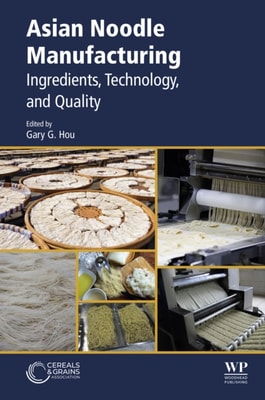
Asian Noodle Manufacturing: Ingredients, Technology, and Quality is a comprehensive handbook for the manufacture of noodles that includes traditional styles and gluten free and whole grain varieties.
Rice Bran and Rice Bran Oil (RBO) provides much-needed best practices on the science and technology of RBO, including the chemistry, dectection methods, nutrition (including the effect of processing technologies on micronutrients) and applications.
Nutritional Composition and Antioxidant Properties of Fruits and Vegetables provides an overview of the nutritional and anti-nutritional composition, antioxidant potential, and health benefits of a wide range of commonly consumed fruits and vegetables.
Storage of Grains and Their Products, Fifth Edition, presents the most authoritative reference on the principles and practices of storing and handling grains and their products.