Food Safety and Quality Systems in Developing Countries, Volume One: Export Challenges and Implementation Strategies considers both the theoretical and practical aspects of food safety and quality systems implementation by major world markets and new and emerging markets in developing countries.
Food Safety and Quality Systems in Developing Countries, Volume 2: Case Studies of Effective Implementation begins with a general overview of some of the issues and considerations that impact effective implementation of food safety and quality systems and put this in the context of some of the more noteworthy foodborne illness incidents in the recent past.
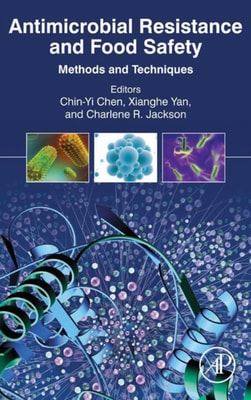
Antimicrobial Resistance and Food Safety: Methods and Techniques introduces antimicrobial resistant food-borne pathogens, their surveillance and epidemiology, emerging resistance and resistant pathogens.
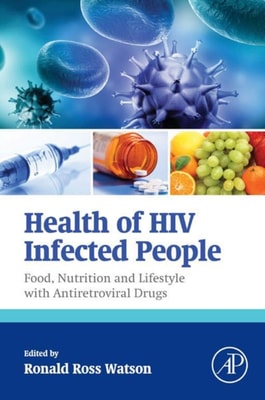
Health of HIV Infected People: Food, Nutrition and Lifestyle with Antiretroviral Drugs provides basic and applied knowledge on the supportive roles of bioactive foods, exercise, and dietary supplements on HIV/AIDS patients receiving antiretroviral drugs.
Marine Antioxidants: Preparations, Syntheses, and Applications provides the most updated and comprehensive knowledge on utilizing marine-derived substances for cosmeceutical, pharmaceutical and nutraceutical developments.
Antimicrobial Food Packaging takes an interdisciplinary approach to provide a complete and robust understanding of packaging from some of the most well-known international experts.
Diet and Exercise in Cystic Fibrosis, a unique reference edited by distinguished and internationally recognized nutritionist and immunologist Ronald Ross Watson, fills the gap in the current dietary modalities aimed at controlling cystic fibrosis.
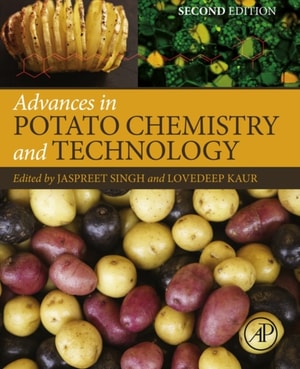
Advances in Potato Chemistry and Technology, Second Edition, presents the latest knowledge on potato chemistry, including the identification, analysis, and uses of chemical components in potatoes.
Enzymes: Novel Biotechnological Approaches for the Food Industry provides an in-depth background of the most up-to-date scientific research and information related to food biotechnology and offers a wide spectrum of biological applications.
Brewing Materials and Processes: A Practical Approach to Beer Excellence presents a novel methodology on what goes into beer and the results of the process.
Rapid Detection of Food Adulterants and Contaminants: Theory and Practice contains solid information on common adulterants and contaminants in various foods, guidelines for different standards, permissible limits prescribed by food regulatory authorities, and related detection techniques.
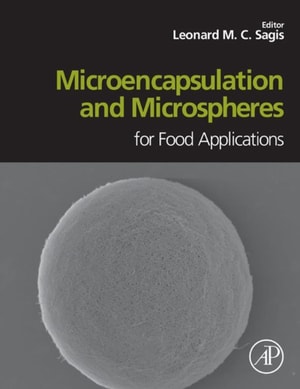
Microencapsulation and Microspheres for Food Applications is a solid reflection on the latest developments, challenges, and opportunities in this highly expanding field.
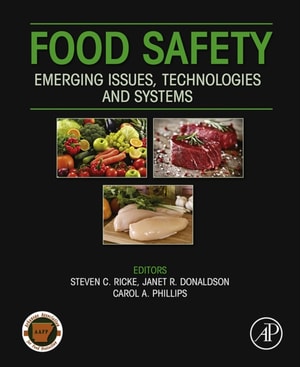
Food Safety: Emerging Issues, Technologies and Systems offers a systems approach to learning how to understand and address some of the major complex issues that have emerged in the food industry.
Electronic Noses and Tongues in Food Science describes the electronic products of advanced chemical and physical sciences combined with intuitive integration of microprocessors, advanced bioinformatics and statistics.
Advances in Food and Nutrition Research recognizes the integral relationship between the food and nutritional sciences and brings together outstanding and comprehensive reviews that highlight this relationship.
Adapting High Hydrostatic Pressure (HPP) for Food Processing Operations presents commercial benefits of HPP technology for specific processing operations in the food industry, including raw and ready-to-eat (RTE) meat processing, dairy and seafood products, drinks and beverages, and other emerging processes.
Transparency for Sustainability in the Food Chain lays out the key issues and challenges in food safety, food quality, chain integrity, the link with consumers, and the technological base of tracking and tracing systems.
Molecular Microbial Diagnostic Methods: Pathways to Implementation for the Food and Water Industry was developed by recognized and experienced highlevel scientists.
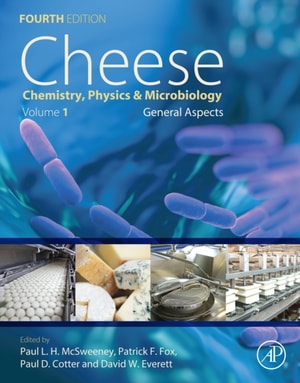
Cheese: Chemistry, Physics and Microbiology, Fourth Edition, provides a comprehensive overview of the chemical, biochemical, microbiological, and physico-chemical aspects of cheese, taking the reader from rennet and acid coagulation of milk, to the role of cheese and related foods in addressing public health issues.
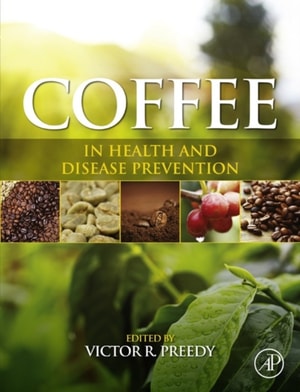
Coffee in Health and Disease Prevention presents a comprehensive look at the compounds in coffee, their reported benefits (or toxicity risks) and also explores them on a health-condition specific level, providing researchers and academics with a single-volume resource to help in identifying potential treatment uses.
Preservation and Shelf Life Extension focuses on the basic principles of ultraviolet light technology as applied in low-UV transmittance treatments of food fluids and solid foods.
Food Plant Safety: UV Applications for Food and Non-Food Surfaces discusses the fundamental principles of ultraviolet (UV) light technology, and gives practical recommendations on UV processes and systems design for specific processing operations, as well as how microbial efficacy of UV light can improve the quality of existing product lines.
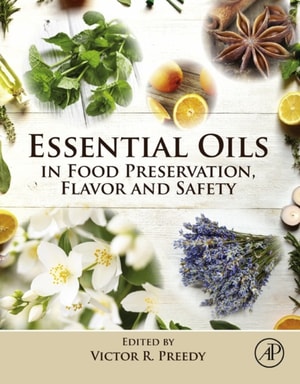
Essential Oils in Food Preservation, Flavor and Safety discusses the major advances in the understanding of the Essential Oils and their application, providing a resource that takes into account the fact that there is little attention paid to the scientific basis or toxicity of these oils.
Advances in Food and Nutrition Research recognizes the integral relationship between the food and nutritional sciences and brings together outstanding and comprehensive reviews that highlight this relationship.
Written by a diverse group of research professionals, Postharvest Decay: Control Strategies is aimed at a wide audience, including researchers involved in the study of postharvest handling of agricultural commodities, and undergraduate and graduate students researching postharvest topics.
Advances in Food and Nutrition Research recognizes the integral relationship between the food and nutritional sciences and brings together outstanding and comprehensive reviews that highlight this relationship.
The second edition of Emerging Technologies in Food Processing presents essential, authoritative, and complete literature and research data from the past ten years.
Postharvest Handling, Third Edition takes a global perspective in offering a system of measuring, monitoring, and managing produce processing to improve food quality, minimize food waste, reduce risks and uncertainties, and maximize time and resources.
Nutritional Composition of Fruit Cultivars provides readers with the latest information on the health related properties of foods, making the documentation of the nutritive value of historical cultivars especially urgent, especially before they are lost and can't be effectively compared to modern cultivars.
Diet and Nutrition in Dementia and Cognitive Decline offers researchers and clinicians a single authoritative source which outlines the complex interrelationships between cognitive decline, dementia and the way diet can be modified to improve outcomes.
Nutrition in the Prevention and Treatment of Abdominal Obesity focuses on the important roles that exercise, dietary changes, and foods play in promoting as well as reducing visceral fat.
Phase Transitions in Foods, Second Edition, assembles the most recent research and theories on the topic, describing the phase and state transitions that affect technological properties of biological materials occurring in food processing and storage.
As the wine industry has experienced a period of rapid global expansion, there is a renewed emphasis on quality and consistency even within the small winery industry.
Guide to Food Safety and Quality During Transportation provides a sound foundation for the improvement of the transportation sector responsible for the movement of food.
This first volume of a two-volume work presents the manifold applications of beneficial microbes and microbiomes in plant growth promotion, in enhancing crop resilience and in control of phytopathogens through microbial antagonists.
This second volume of a two-volume work reviews beneficial bioactive compounds from various microorganisms such as bacteria, fungi, cyanobacteria in plant diseases management and the postharvest management of fruits using microbial antagonists.
Antioxidants in Food, Vitamins and Supplements bridges the gap between books aimed at consumers and technical volumes written for investigators in antioxidant research.
This fully revised and updated edition begins with insights into the scope, importance and continuing growth opportunities in the nutraceutical and functional food industries and explores the latest regulatory changes and their impacts.
Available water disinfection systems rely mainly on large-scale filtration and the combination of filtration (to remove solids), and subsequent application of chemical disinfectants.