Pulsed electric field (PEF) food processing is a novel, non-thermal preservation method that has the potential to produce foods with excellent sensory and nutritional quality and shelf-life.
Recent advances in biochemistry and biotechnology have enabled significant progress in basic research on carbohydrate-active enzymes and advances in their effective application.
Depending on the mechanisms involved in non-thermal technologies (such as ozonization, irradiation, ultrasound processing, plasma processing, and advanced oxidative processes), interaction with food molecules differs, which might lead to desirable reactions.
Foodborne Parasites in the Food Supply Web: Occurrence and Control provides an overview of the occurrence, transmission, and control of parasites in the food chain, including an introduction to the topic from the perspectives of various issues surrounding foodborne parasites.
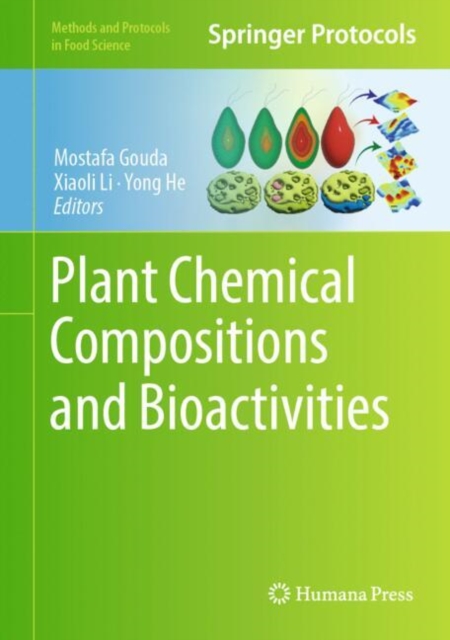
This volume provides food researchers with advanced destructive and non-destructive techniques for measuring the chemical composition, functional bioactivities physicochemical changes, and explaining the functional mechanisms for facilitating the tracking of the functional molecules during the different industrial processes.
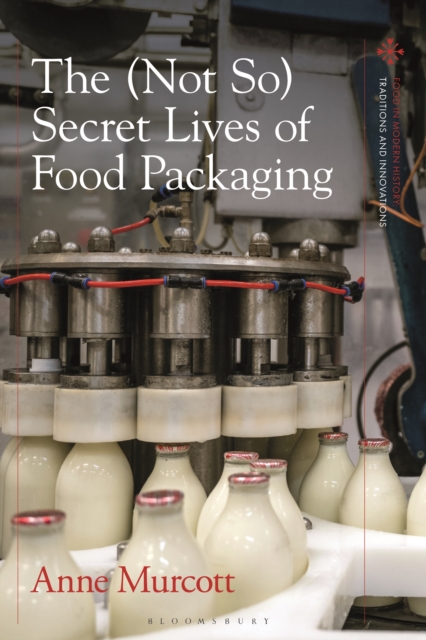
Tracing developments from the classical period to the early industrial revolution and beyond, Anne Murcott provides us with an accessible and entertaining social history of food packaging.
This new volume focuses on the technology of bioactive compounds and nutraceuticals from fruit and vegetable sources, from cereal grain sources, and from cereal processing by-products.
For the first major update of this topic in 21 years, editors Kulp, Loewe, Lorenz, and Gelroth have gathered an elite group of internationally recognized experts.
The aim of "e;Novel Approaches in Biopreservation for Food and Clinical Purposes"e; is to provide cutting-edge information on biopreservation methods for both food and medical applications.
Make your own wine, beer, ale, cider or cordials at home Information on ingredients, techniques and the all-essential brewing kit Over 90 recipes suitable for any ability Ever wondered how to make your own beer, cider or fruit wine?
Food Science and Technology: Fundamentals and Innovation presents the aspects of microbiology, chemistry, nutrition, and process engineering required for the successful selection, preservation, processing, packaging, and distribution of quality food.
The two-volume work presents applications of integrated membrane operations in agro-food productions with significant focus on product quality, recovery of high added-value compounds, reduction of energy consumption and environmental impact.
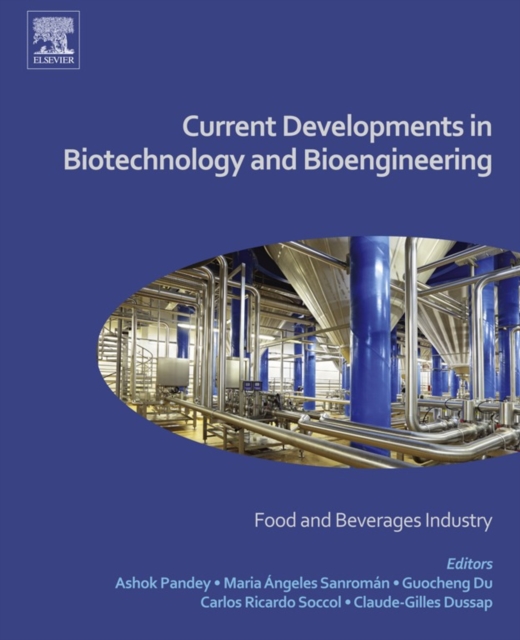
Current Developments in Biotechnology and Bioengineering: Food and Beverages Industry provides extensive coverage of new developments, state-of-the-art technologies, and potential future trends compiled from the latest ideas across the entire arena of biotechnology and bioengineering.
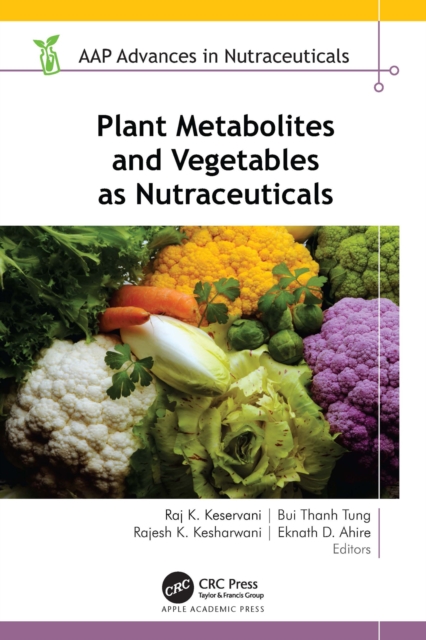
This volume explores vegetables and plant metabolites as nutraceuticals that provide nutritional importance in the prevention and/or treatment of human diseases and for maintaining the bodys energy balance.
Nutrition and Enhanced Sports Performance: Muscle Building, Endurance, and Strength provides a comprehensive overview to understanding the integrated impact of nutrition on performance.
Taking into account toxicity levels at normal consumption levels, intake per kg bodyweight and other acknowledged considerations, each chapter in this book will be based on one or more proven examples.
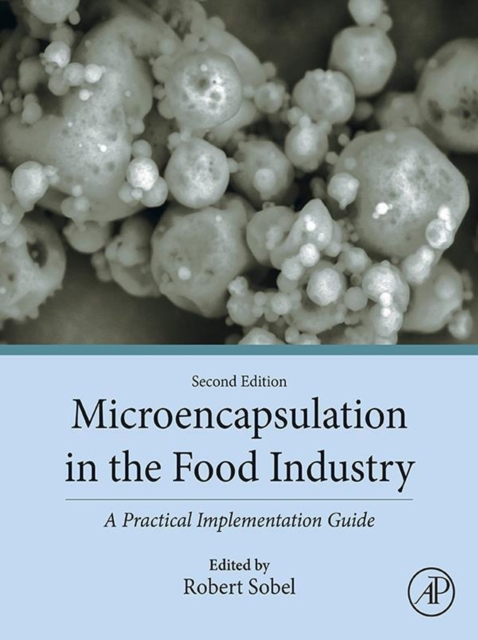
Microencapsulation in the Food Industry: A Practical Implementation Guide, Second Edition continues to focus on the development of new microencapsulation techniques for researchers and scientists in the field.
Practical Guide to Comparative Advertising: Dare to Compare is an authoritative, engaging handbook on comparative advertising for food and non-food consumer products.
This book provides comprehensive knowledge and a detailed step by step description of experimental protocols for the determination of food intake, body weight changes, and some metabolic markers.
This volume aims to introduce procedures related to measuring the process parameters involved in emerging food processing technologies, the approaches to measure the process efficiency, and basic guidelines for operating related systems.
Food flavor, appearance, and texture are the sensory properties that influence food acceptance, and among these, flavor is usually the decisive factor for the choice of a particular product.
Food materials are processed prior to their consumption using different processing technologies that improve their shelf life and maintain their physicochemical, biological, and sensory qualities.
A Complete Course in Canning and Related Processes: Volume 3, Processing Procedures for Canned Food Products, Fourteenth Edition provides a complete course in canning and is an essential guide to canning and related processes.
Improving the integrity of the food chain, making certain that food is traceable, safe to eat, high quality and genuine requires new diagnostic tools, the implementation of novel information systems and input from all food chain participants.
Food and beverage companies are increasingly choosing to enhance internal idea development by pursuing an 'open innovation' approach, allowing the additional exploitation of external ideas and paths to market.
This book provides fundamentals, highlights recent developments and offers new perspectives relating to the use of electrolyzed water (EW) as an emerging user- and environmental-friendly broad-spectrum sanitizer, with particular focus on the food industry.
This need-based unique book deals exclusively with water buffalo (Bubalus bubalis) meat to provide much needed information to thousands of buffalo meat processors across the world.