Food Security Governance in the Arctic-Barents Region provides a multidisciplinary perspective on the major food security and safety challenges faced in the Arctic region.
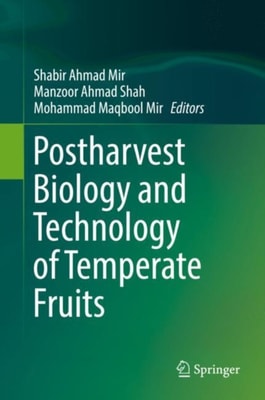
This edited volume provides insight into temperate fruits, with an emphasis on postharvest physiology, storage, packaging and technologies for maintaining fruit quality.
Despite food being safer, more affordable and more available than at any time in human history, consumers are increasingly skeptical and critical of today's food system.
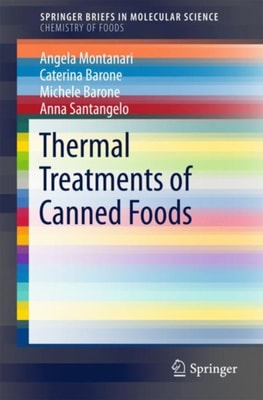
This Brief provides an overview of different analytical methods and techniques for the qualitative and quantitative evaluation of Maillard Reactions and their reaction products in foods during processing and storage.
The book reflects on the issues concerning, on the one hand, the difficulty in feeding an ever- increasing world population and, on the other hand, the need to build new productive systems able to protect the planet from overexploitation.
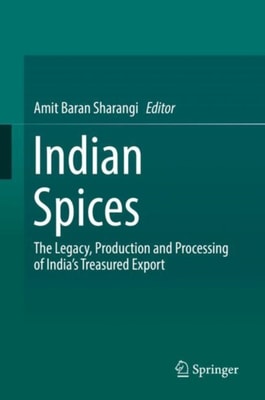
This work comprehensively covers the production, processing and post harvest technology of Indian spices with an added focus on the history and uniqueness of this legendary regional product.
This book covers innovations in starter culture, production of health beneficial fermented food products, technological intervention in beer, wine and spirits production, marketing of alcoholic beverages, modernization of dairy plants for production of fermented dairy products, non-diary probiotics, development of automatic fermenters, and packaging technology.
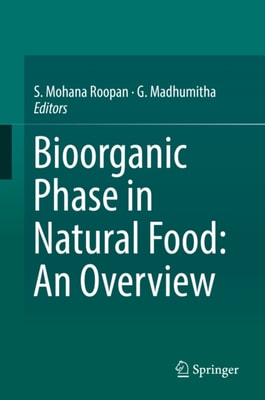
The focus of this singular work is to discuss the role and importance of bioorganic phase in food products-providing the first major reference source for researchers looking to understand all aspects of the isolation, extraction and application of this major element in natural foods.
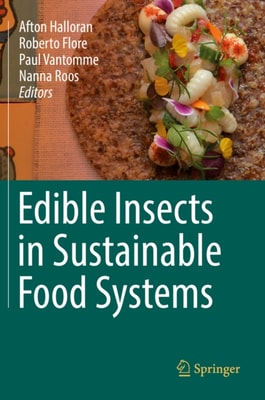
This text provides an important overview of the contributions of edible insects to ecological sustainability, livelihoods, nutrition and health, food culture and food systems around the world.
This SpringerBrief provides an overview of ultrasonic emulsification and an update on recent advances in developing stable emulsions for the creation of novel drugs and functional foods, with a focus on bioactive delivery in these products.
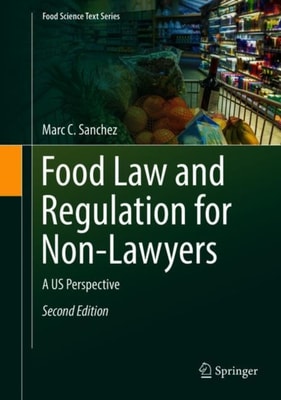
Designed and modeled after a six-week introductory food law course taught at Northeastern University, Food Law and Regulation for Non-Lawyers offers a succinct overview of key topics and core concepts for food scientists, quality managers, and others who need to understand the regulation of food in the U.
This book provides a comprehensive overview of key aspects of food insecurity, including definitional and conceptual issues, information systems and data sources, indicators, and policies.
Introduction to Agricultural Engineering Technology: A problem Solving Approach is an invaluable text for agriculture students at the introductory level.
The second edition of Microorganisms in Foods 7: Microbiological Testing in Food Safety Management updates and expands on information on the role of microbiological testing in modern food safety management systems.
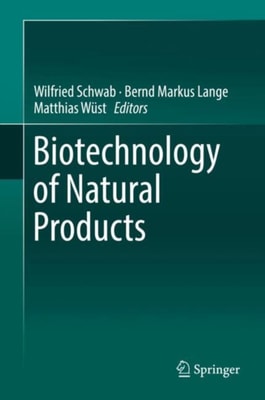
This text comprehensively covers the analysis, enzymology, physiology and genetics of valuable natural products used in the food industry that are attractive targets for biotechnological production.
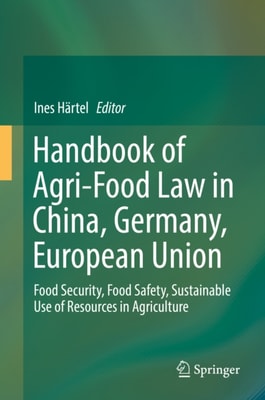
This book offers a new and differentiated overview of Agri-Food Law against the background of national and global integration of markets, and compares for the first time important aspects of the agricultural, environmental and food law of China and Germany / the European Union.
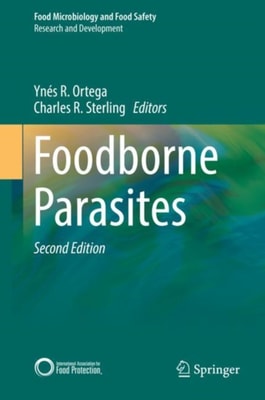
The globalization and commercialization of the food system has unintentionally led to the introduction of new foodborne parasites in countries worldwide.
Now in its 6th Edition, this highly acclaimed textbook provides sanitation information needed to ensure hygienic practices and safe food for food industry personnel as well as students.
The book is divided in 3 sections, each containing several chapters: Section 1 includes chapters that identify and discuss several ethical issues along the food chain, with particular detail of issues in the food industry and in consumer behavior; Section 2 includes chapters that present the basis of a code of conduct in the food profession as well as the description of existing codes of conduct of food industry and food scientist professionals, including ethics of publishing, and also ethics in risk communication; Section 3 includes chapters based on case studies with examples of teaching approaches currently used in teaching food ethics, easy to implement and already tested and confirmed as successful examples that engage students in this topic.
Completely revised, this new edition updates the chemical and physical properties of major food components including water, carbohydrates, proteins, lipids, minerals vitamins and enzymes.
This book presents recent advances in the development of biomaterials for industrial applications, and discusses the potential for substituting environmentally hazardous substances with environmentally friendly and degradable components.
This book provides a detailed analysis of the scientific, technical and regulatory aspects of plant food supplements designed for integration into the normal diet.
The biology of the Siberian sturgeon, Acipenser baerii Brandt 1869, has become a very attractive subject of investigation for biologists since the 1980s.
The second edition of the book begins with the description of the diversity of wine-related microorganisms, followed by an outline of their primary and energy metabolism.
This comprehensive and unique text presents a full overview of downstream processing useful for those new to the concept as well as professionals with experience in the area.
This book provides a broad-based foundation of knowledge about brown rice, including the latest information on health benefits and disease prevention resulting from consumption of brown rice, and information on consumer knowledge, attitudes, and behaviors towards brown rice.
The Romance of Science pays tribute to the wide-ranging and highly influential work of Trevor Levere, historian of science and author of Poetry Realised in Nature, Transforming Matter, Science and the Canadian Arctic, Affinity and Matter and other significant inquiries in the history of modern science.
This book is designed to give students an understanding of the role of microorganisms in food processing and preservation; the relation of microorganisms to food spoilage, foodborne illness, and intoxication; general food processing and quality control; the role of microorganisms in health promotion; and federal food processing regulations.
This book describes nanomaterials used and existing in the environment, food industry and packaging, health care products and cosmetics, housekeeping, nanomaterials for cleaning purposes, architectural building products, medicine, clothing and textile, smart electronics and sensors.