Finger millets are gaining popular recognition as a superior source of phytochemicals, micronutrients such as calcium, phosphorous, and iron, and dietary fibre, when compared with cereals such as wheat and rice.
Addressing the growing need for innovative and effective treatments for metabolic and endocrine disorders, which affect millions of individuals worldwide, this volume explore the cutting-edge developments in the field, offering a comprehensive overview of emerging therapies that promise to revolutionize patient care.
With an awareness of the growing demand for inexpensive, nutritional, and functional proteins, this book provides an overview of various protein sources and their protein composition.
Astonishingly rich in nutrients, Spirulina is one of the most popular and well researched functional foods in the multi-billion dollar global food supplement market.
Following in the tradition of popular previous editions, this book integrates the general principles of toxicology with a systematic characterization of the most important food toxicants.
The rise and rationalization of the industrial phosphates industry have gone hand in hand with the development and maturation of technologies to purify phosphoric acid.
This book provides the principles of nanomaterial-based biosensors, including methods of transduction, molecular recognition, and amplification; fabrication techniques; and development of point-of-care devices for environmental, food, and medical diagnostics.
Specifically written to meet the needs of the cosmetic chemist and engineer, this reference outlines the latest technologies and issues pertinent to the development novel skin care products including advances in formulation and development, raw materials and active ingredients, compound testing, and clinical assessment.
This book reviews the evidence supporting the influence of plant fibers on our daily life by either having impacts on our nutrition or improving processed foods for human and animal feeding.
Pharmaceutical Preformulation and Formulation: A Practical Guide from Candidate Drug Selection to Commercial Dosage Form reflects the mounting pressure on pharmaceutical companies to accelerate the new drug development and launch process, as well as the shift from developing small molecules to the growth of biopharmaceuticals.
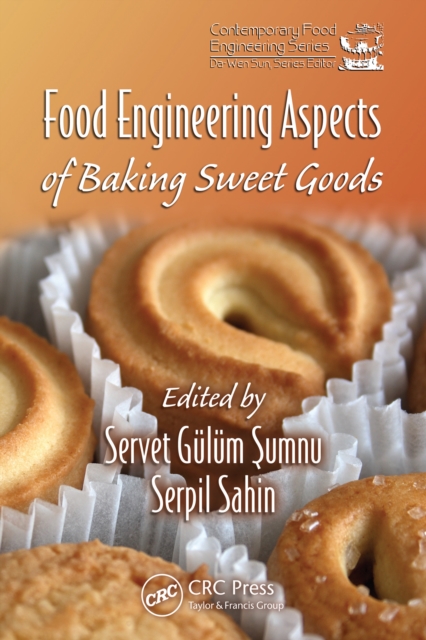
Most baking books do not focus on the simultaneous heat and mass transfer that occurs in the baking process, thereby ignoring a fundamental facet of process and product development.
A major new work on all aspects of water, the most used raw material ingredient in the pharmaceutical and biotechnology industries-used as an excipient in pharmaceutical formulations, as a cleaning agent, and as a separately packaged product diluent.
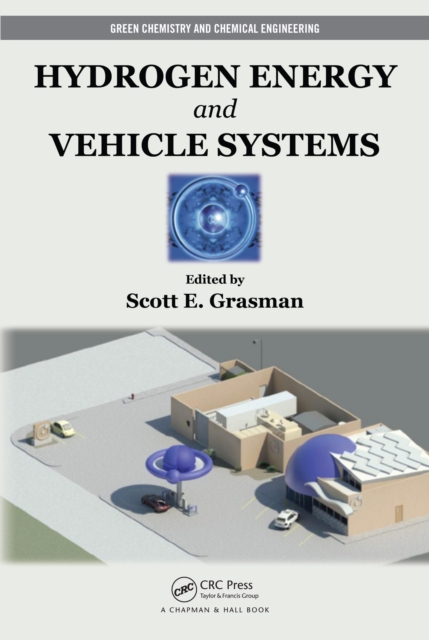
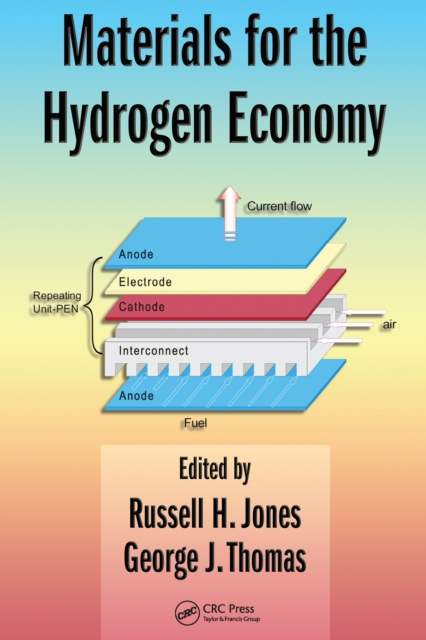
With contributions from noted laboratory scientists, professors, and engineers, Hydrogen Energy and Vehicle Systems presents a new comprehensive approach for applying hydrogen-based technologies to the transportation and electric power generation sectors.
As pharmaceutical companies strive to develop safer medicines at a lower cost, they must keep pace with the rapid growth of technology and research methodologies.
Instead of using expensive alloys to construct a tank or processing vessel, it is often more economical to use a less expensive metal, such as carbon steel, and install a lining to provide protection from corrosion.
Refineries face persistent challenges in improving energy efficiency, ensuring crude availability, and implementing process safety, with excessive energy consumption being particularly difficult to address.
When the first edition of Poultry Meat Processing was published, it provided a complete presentation of the theoretical and practical aspects of poultry meat processing, exploring the complex mix of biology, chemistry, engineering, marketing, and economics involved.
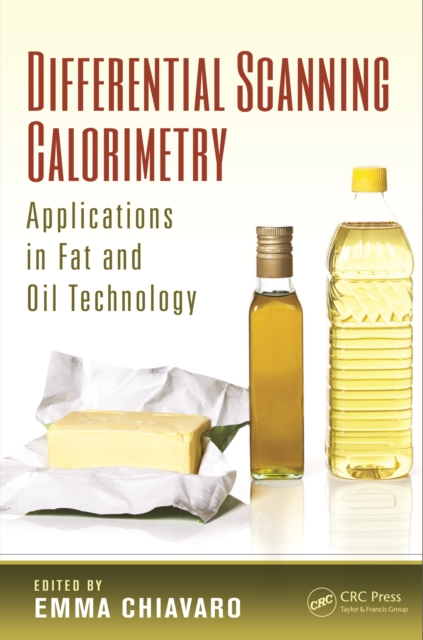
Differential Scanning Calorimetry: Applications in Fat and Oil Technology provides a complete summary of the scientific literature about differential scanning calorimetry (DSC), a well-known thermo-analytical technique that currently has a large set of applications covering several aspects of lipid technology.
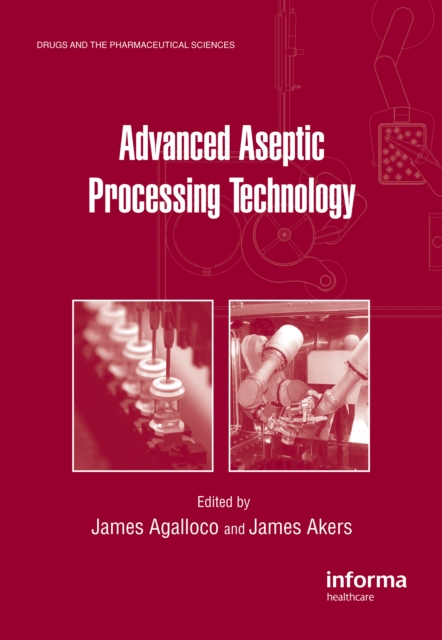
The preparation of sterile products using aseptic processing is considered perhaps the most critical process in the pharmaceutical industry and has witnessed continual improvement over the last half century.
We cannot control how every chef, packer, and food handler might safeguard or compromise the purity of our food, but thanks to the tools developed through physics and nanotech and the scientific rigor of modern chemistry, food industry and government safety regulators should never need to plead ignorance when it comes to safety assurance.
The rapid advances in recombinant DNA technology and the increasing availability of peptides and proteins with therapeutic potential are a challenge for pharmaceutical scientists who have to formulate these compounds as drug products.
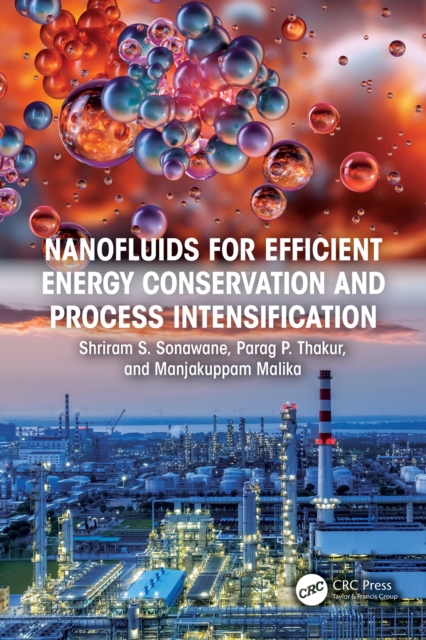
Nanofluids for Efficient Energy Conservation and Process Intensification presents mathematical, numerical, and experimental methodologies of applying nanofluids in renewable and non-renewable energy conservation and process intensification.
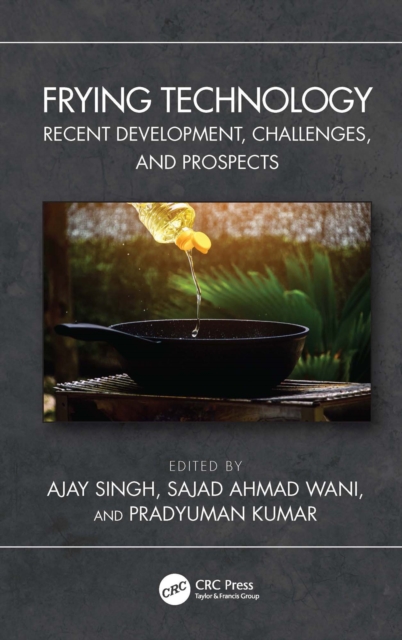
Covering all the recently adapted developments, challenges, and other healthy approaches in the process of frying, this book provides the details of various frying technologies and discusses its operations and machinery in depth.
Vacuum Bubbling introduces the background and applications for generating bubbles under a vacuum condition, accomplished through depressurization without the need to heat water.
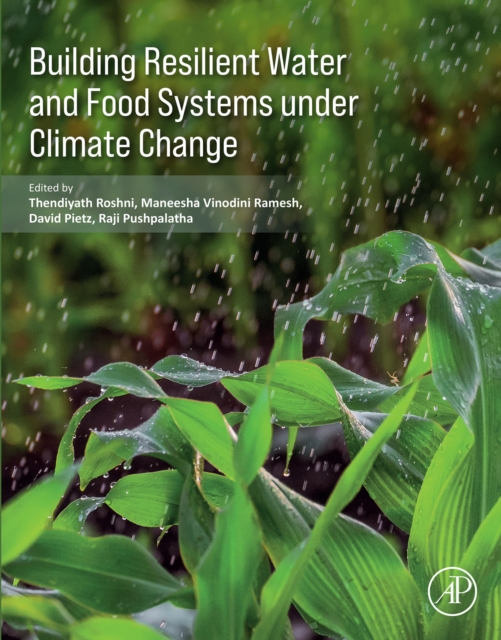
Building Resilient Water and Food Systems Under Climate Change aims to help readers understand and implement strategies to build resilient communities that can ensure sustainable access to both food systems and water resources.
Green Technologies and Innovative Future for Waste Management: Development in Wastewater Treatment Research and Processes addresses the global interest in sustainable practices, along with challenges faced by modern society.
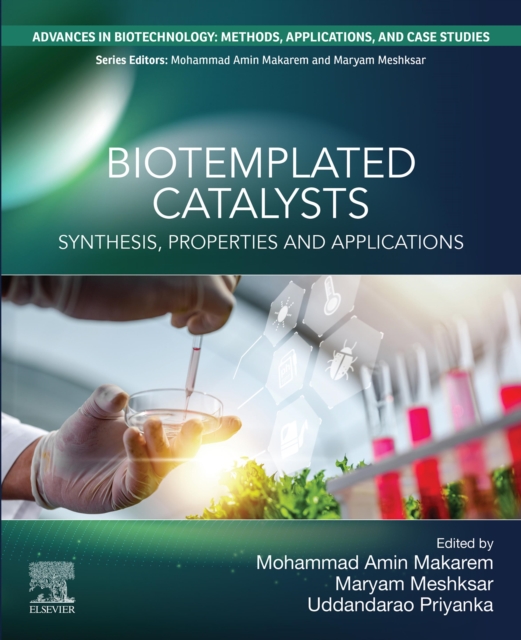
The Advances in Biotechnology: Methods, Applications, and Case Studies series presents a comprehensive collection of volumes dedicated to the latest developments and interdisciplinary innovations across the vast landscape of biotechnology.
With mounting pressure to extract petroleum from oil sands and other unconventional sources, oil refineries must adapt their processing methods to handle increasingly heavy crude oils.
Covering all the recently adapted developments, challenges, and other healthy approaches in the process of frying, this book provides the details of various frying technologies and discusses its operations and machinery in depth.
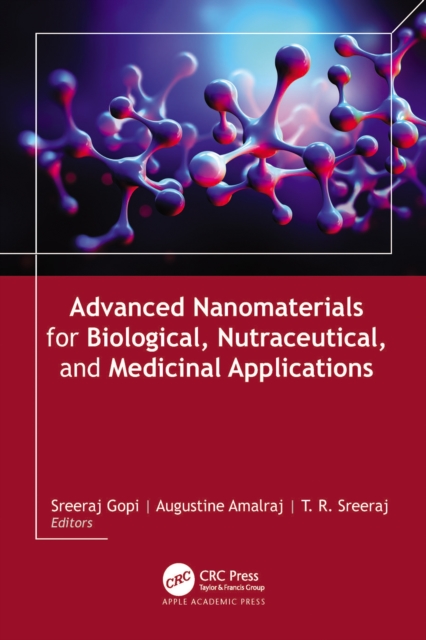
This new volume begins with an overview of bioactive compounds and nutraceuticals along with explanations of their chemical characteristics, profile, and physicochemical aspects.
Bioprocess Engineering of Reactions, Fourth Edition is a systematic and comprehensive resource that explores principles and analysis of reactions within the bioprocess and biotechnology industries.