Now shortlisted for the 2012 Financial Times Business Book of the Year Award and the Wellcome Trust Book Prize, The Hour Between Dog and Wolf is a resonant exploration of economic behaviour and its consequences.
The Way of Nowhere is a business book by the UK's hottest change management consultancy who have led transformations in some of Britain's biggest and best known organisations.
Unlock the Power of Partnerships to Achieve Exponential GrowthIn Partnering Success: The Force Multiplier to Achieve Exponential Growth, Theresa Caragol and the AchieveUnite team present a groundbreaking approach to building strategic alliances that drive innovation and success.
Discover everything you need to know to improve your management skills, and understand key management and business theories with this unique graphic e-guide.
THE INTERNATIONAL BESTSELLER | HALF A MILLION COPIES SOLDLEARN THE ESSENTIALS OF A TWO-YEAR MBA IN JUST A FEW HOURS WITH THIS SMART, ILLUSTRATED GUIDEDo you want the knowledge of an MBA without the lectures, exams, or hefty tuition fees?
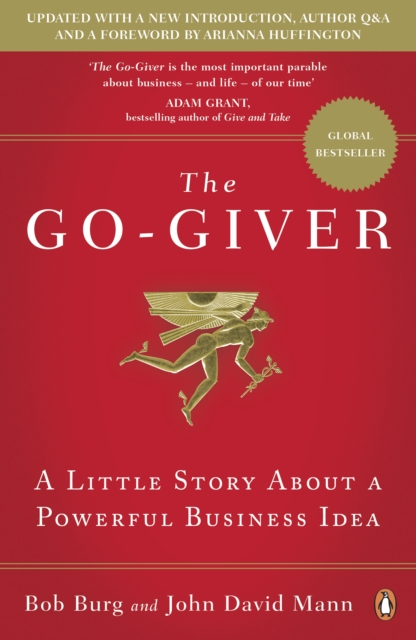
Now with a foreword by Arianna Huffington 'This terrific book wonderfully illuminates the principles of contribution, abundance, service and success' Stephen Covey, bestselling author of The 7 Habits of Highly Effective People'Most people don't have the guts to buy this book, never mind the will to follow through and actually use it.
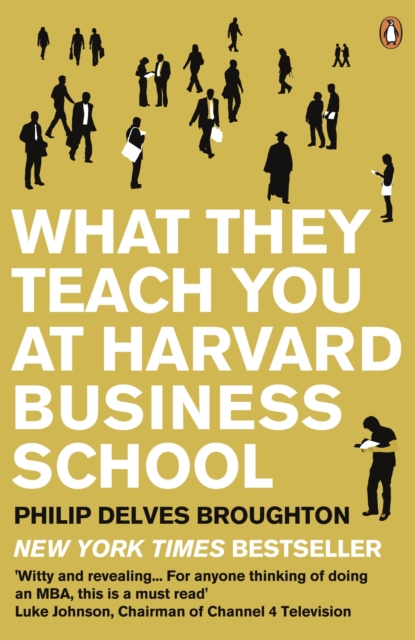
'For anyone thinking of doing an MBA, or indeed anyone who wants to understand how the corporate elite are moulded, this is a must read' Luke Johnson, British entrepreneurThe internationally best-selling business classic that reveals what it's really like to study an MBA at one of the most prestigious institutions in the world.
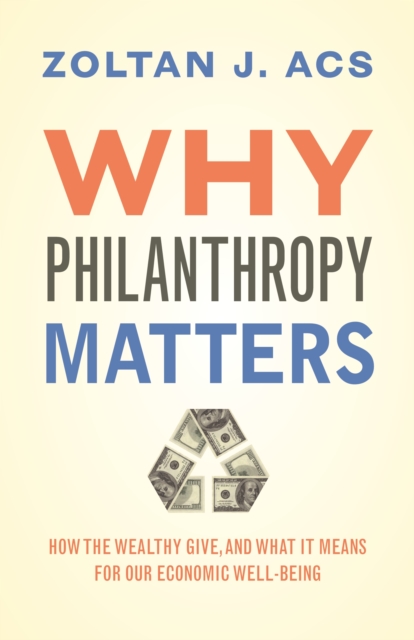
The hidden role of philanthropy in enriching America's prosperity-and the world'sPhilanthropy has long been a distinctive feature of American culture, but its crucial role in the economic well-being of the nation-and the world-has remained largely unexplored.
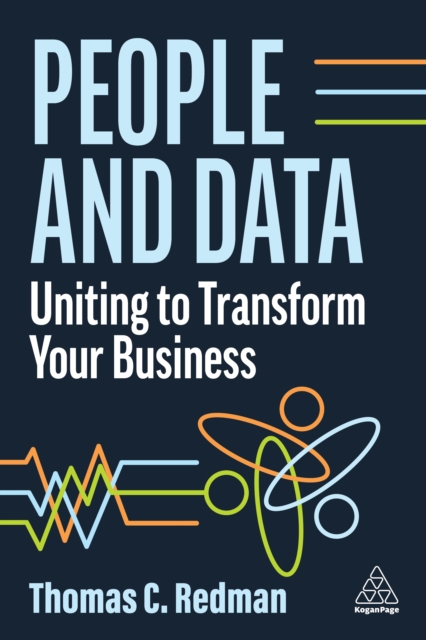
People and Data is an innovative exploration of the relationship between non-data professionals and data in an organization's success, and why it is only when they work together that a business can unlock its full potential.
User Experience in the Age of Sustainability focuses on the economic, sociological and environmental movement in business to make all products including digital ones more sustainable.
Why fears about a looming student loan crisis are unfounded-and how they obscure what's really wrong with student lendingCollege tuition and student debt levels have been rising at an alarming pace for at least two decades.
This guide will shape even the most baffled groom into a well-mannered gentleman, from engagement party to reception and every blessed event in between.
THE TOP SELLING FIRST-TIME MANAGER SERIES HAS SOLD OVER 500,000 COPIESEvery manager must be prepared to face tough situations that management training never warned them about.
Dieses Buch greift den Digitalisierungstrend auf und vermittelt Businesstrainer:innen eine stabile Basis, um den Wellenritt auf den Trends der Zeit zu erleichtern, so dass sie mit den richtigen Techniken und etwas Mut und mit Freude die Geschwindigkeit des stetigen Wandels erleben können.