This collection re-envisions the academic study of institutional translation and interpreting (ITI), uncovering the ways in which institutional practices have inhibited knowledge creation and encouraging stakeholders to continue to challenge the assumptions and epistemics which underpin the field.
The Routledge Handbook of Intralingual Translation provides the first comprehensive overview of intralingual translation, or the rewording or rewriting of a text.
This book contributes to growing debates on transcreation, applying an appraisal framework to texts from luxury brands in Chinese and English to reveal new insights into marketing transcreation and set out transcreation as an area of study in its own right.
The Routledge Handbook of Intralingual Translation provides the first comprehensive overview of intralingual translation, or the rewording or rewriting of a text.
Routledge Guides to Teaching Translation and Interpreting is a series of practical guides to key areas of translation and interpreting for instructors, lecturers, and course designers.
Routledge Guides to Teaching Translation and Interpreting is a series of practical guides to key areas of translation and interpreting for instructors, lecturers, and course designers.
This is a coursebook designed for students of translation, which will also benefit professional translators as it covers key issues in contemporary legal translation.
This book offers an updated and comprehensive view of the possibilities of didactic audiovisual translation (didactic AVT or DAT) in language education, by presenting the methodological bases that support its pedagogical use at all levels of linguistic proficiency, as well as in different educational stages and contexts.
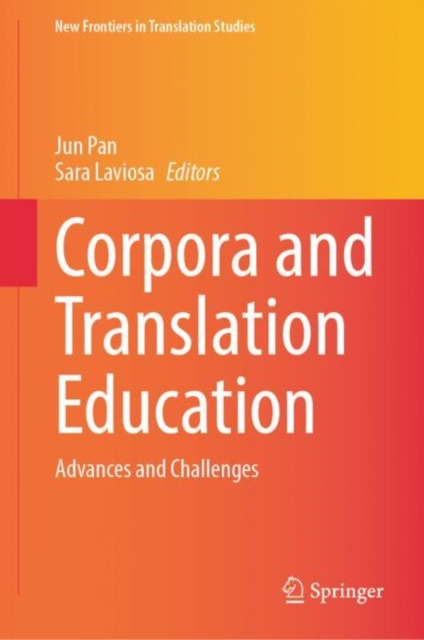
This edited book covers a range of topics related to the use of corpora in translation education, including their standing in corpus-based translation studies, their relationship with machine learning and post-editing, recent advances in learner corpora development and the integration of corpora into translation pedagogy.
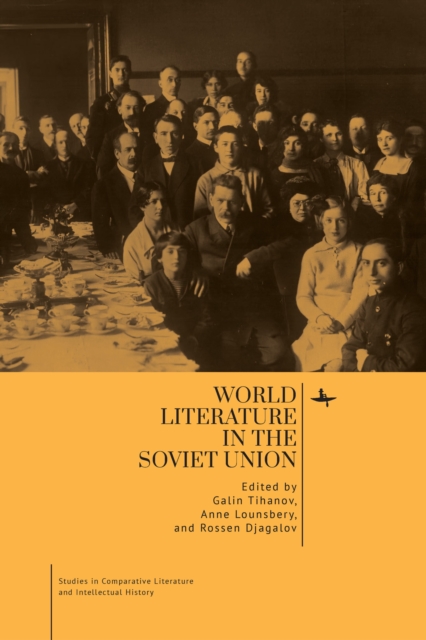
This is the first volume to consistently examine Soviet engagement with world literature from multiple institutional and disciplinary perspectives: intellectual history, literary history and theory, comparative literature, translation studies, diaspora studies.
This is a coursebook designed for students of translation, which will also benefit professional translators as it covers key issues in contemporary legal translation.
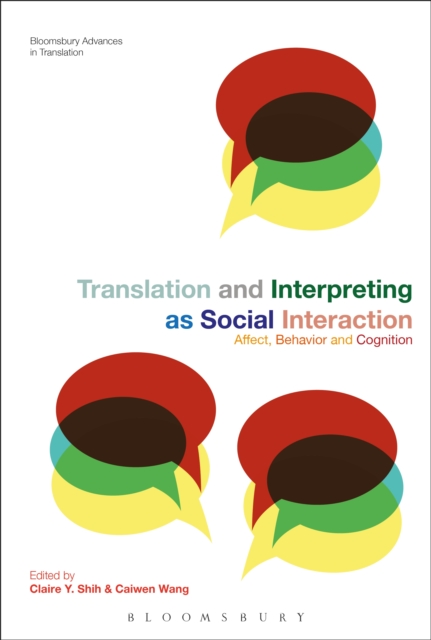
Adopting the tripartite theory of social psychology as its theoretical framework, this book advocates that the three components of social interaction affect, behaviour, and cognition underpin the daily activities of translators and interpreters.
This book offers an updated and comprehensive view of the possibilities of didactic audiovisual translation (didactic AVT or DAT) in language education, by presenting the methodological bases that support its pedagogical use at all levels of linguistic proficiency, as well as in different educational stages and contexts.
This volume of essays is focused on the significance of the book of Exodus for studies in the Septuagint, Second Temple Jewish literature, the New Testament, and Christian theology.
This edited book covers a range of topics related to the use of corpora in translation education, including their standing in corpus-based translation studies, their relationship with machine learning and post-editing, recent advances in learner corpora development and the integration of corpora into translation pedagogy.
Includes a glossary of medical acronyms, and reference material on translation techniques, translation equipment, dictionaries, reference literature, and terminology management.
Adopting the tripartite theory of social psychology as its theoretical framework, this book advocates that the three components of social interaction affect, behaviour, and cognition underpin the daily activities of translators and interpreters.
Focusing on multimodality in translation studies, this edited volume presents insights into the models, trends, and practices of multimodal translation across a variety of media contexts in contemporary China.
Focusing on multimodality in translation studies, this edited volume presents insights into the models, trends, and practices of multimodal translation across a variety of media contexts in contemporary China.