Explore the contemporary significance of the Old Testament and hear the Word of God afreshThe book of Lamentations is disturbing, says highly regarded Old Testament scholar Mark J.
Many Christians know the word holy, yet hear it as distance: a standard above them, a warning against weakness, a height they can admire but not enter.
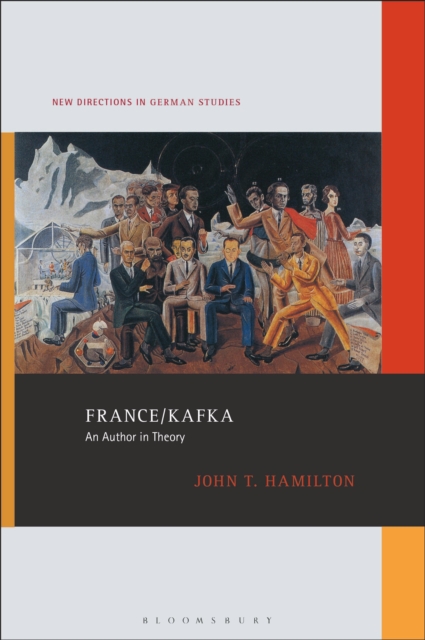
While his memory languished under Nazi censorship, Franz Kafka covertly circulated through occupied France and soon emerged as a cultural icon, read by the most influential intellectuals of the time as a prophet of the rampant bureaucracy, totalitarian oppression, and absurdity that branded the twentieth century.
While his memory languished under Nazi censorship, Franz Kafka covertly circulated through occupied France and soon emerged as a cultural icon, read by the most influential intellectuals of the time as a prophet of the rampant bureaucracy, totalitarian oppression, and absurdity that branded the twentieth century.
This book provides readers with a new angle to understand the progress of legal construction in China, by making a comprehensive and interdisciplinary analysis of the translation of laws and regulations in China from the perspective of national governance.
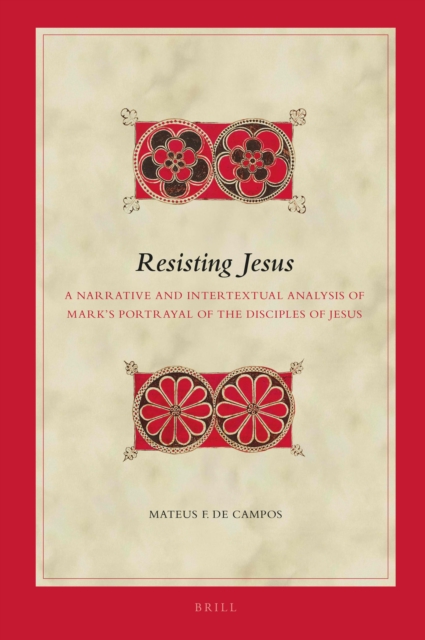
Very likely the first of the four Gospels to be written, Mark presents an intriguing and puzzling portrayal of the disciples with predominantly negative overtones.
This updated edition of a contemporary classic teaches sound grammatical, lexical, cultural, and theological Bible study practices, offering expert guidance for those seeking to interpret Scripture more accurately.
Recovering the Church's Classical Approach to Biblical InterpretationFor nearly 1,700 years, the church read Scripture through four interwoven lenses--literal, allegorical, tropological, and anagogical--known as the quadriga.
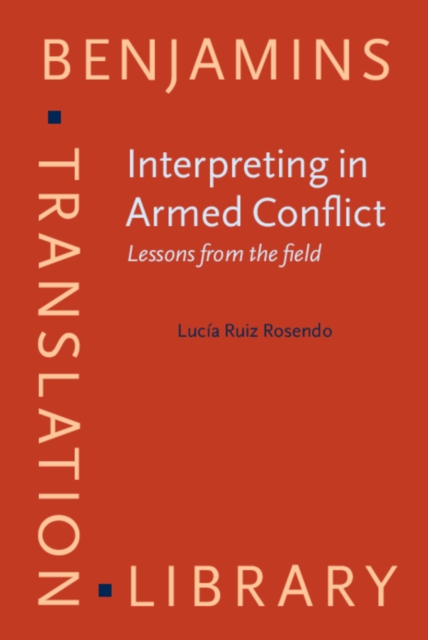
Interpreting in Armed Conflict: Lessons from the field offers a comprehensive analysis of interpreting across diverse conflict settings, including humanitarian missions, military operations, war journalism, human rights missions, and international fact-finding missions.
Interpreting in Armed Conflict: Lessons from the field offers a comprehensive analysis of interpreting across diverse conflict settings, including humanitarian missions, military operations, war journalism, human rights missions, and international fact-finding missions.
This book provides readers with a new angle to understand the progress of legal construction in China, by making a comprehensive and interdisciplinary analysis of the translation of laws and regulations in China from the perspective of national governance.
A Women's Bible Study on Sarah, Rebekah, Leah, and Rachel--and What They Still Teach Us About Living Our CallingMatriarchs is a Bible study by Paige Allen--executive pastor, MDiv graduate, and author of He Knows Your Name--that examines the lives of the four Matriarchs of Genesis: Sarah, Rebekah, Leah, and Rachel.
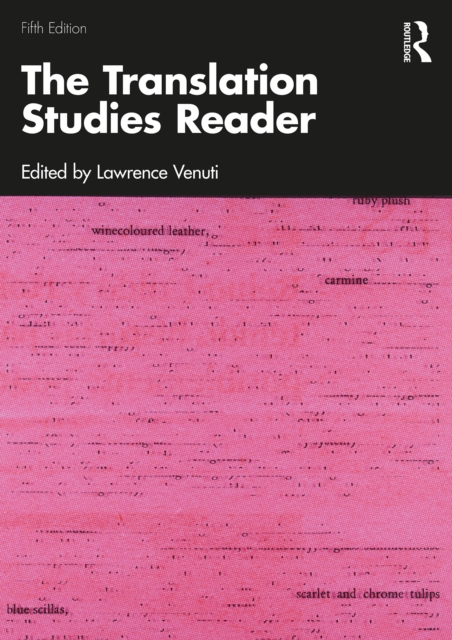
The Translation Studies Reader provides the definitive survey of the most important and influential developments in translation theory and research, with an emphasis on the twentieth and twenty-first centuries.
Inside China's Professional Translation Market offers a groundbreaking empirical analysis of how translation quality is managed in China's rapidly evolving professional translation industry.
Friedrich Holderlin's translations have long been seen as some of the most fascinating ever made, so radical and unconventional that they have altered our ideas of what translation is.
Drawing on examples from literary and audiovisual media, this book explores the meaning transfer in translation with the theory of force dynamics as a case in point.