This book focuses on the important aspect of translation in the Middle East region, with special emphasis on translation movements and the production of modernity in a historical context defined by European imperialism, enlightenment universalism, and globalization.
Metonymy and Language presents a new theory of language and communication in which the central focus is on the concept of metonymy, the recognition of partial matches and overlaps.
Metonymy and Language presents a new theory of language and communication in which the central focus is on the concept of metonymy, the recognition of partial matches and overlaps.
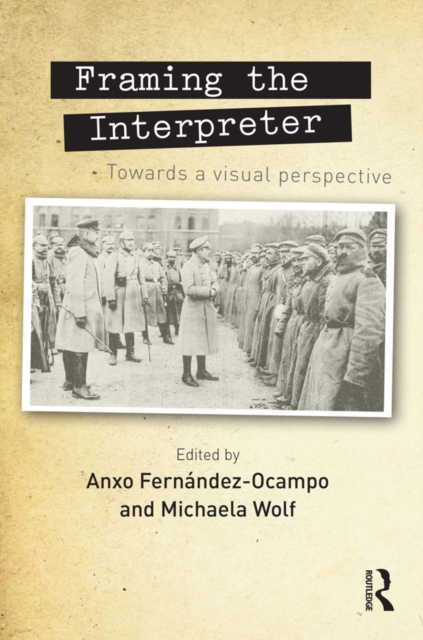
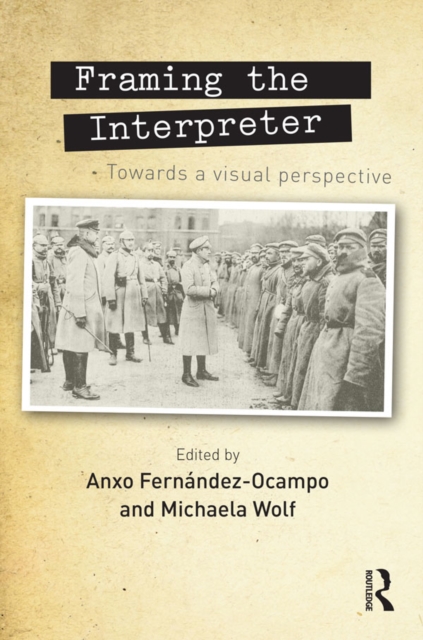
Situations of conflict offer special insights into the history of the interpreter figure, and specifically the part played in that history by photographic representations of interpreters.
Situations of conflict offer special insights into the history of the interpreter figure, and specifically the part played in that history by photographic representations of interpreters.
Through close readings of select stories and novels by well-known writers from different literary traditions, Fictional Translators invites readers to rethink the main cliches associated with translations.
Multiple Translation Communities in Contemporary Japan offers a collection of essays that (1) deepens the understanding of the cultural and linguistic diversity of communities in contemporary Japan and how translation operates in this shifting context and circulates globally by looking at some of the ways it is theorized and approached as a significant social, cultural, or political practice, and harnessed by its multiple agents; (2) draws attention to the multi-platform translations of cultural productions such as manga, which are both particular to and popular in Japan but also culturally influential and widely circulated transnationally; (3) poses questions about the range of roles translation has in the construction, performance, and control of gender roles in Japan, and (4) enriches Translation Studies by offering essays that problematize critical notions related to translation.
Multiple Translation Communities in Contemporary Japan offers a collection of essays that (1) deepens the understanding of the cultural and linguistic diversity of communities in contemporary Japan and how translation operates in this shifting context and circulates globally by looking at some of the ways it is theorized and approached as a significant social, cultural, or political practice, and harnessed by its multiple agents; (2) draws attention to the multi-platform translations of cultural productions such as manga, which are both particular to and popular in Japan but also culturally influential and widely circulated transnationally; (3) poses questions about the range of roles translation has in the construction, performance, and control of gender roles in Japan, and (4) enriches Translation Studies by offering essays that problematize critical notions related to translation.
'Son of Man' is practically the only self-designation employed by Jesus himself in the gospels, but is used in such a way that no hint is left of any particular theological significance.
'Son of Man' is practically the only self-designation employed by Jesus himself in the gospels, but is used in such a way that no hint is left of any particular theological significance.
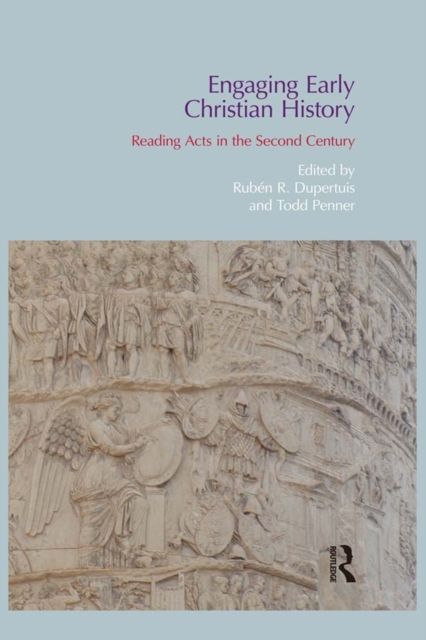
This book extends scholarly debate beyond the analysis of pure historical debates and concerns to focus on the associations between Acts and the diverse contemporaneous texts, writers, and broader cultural phenomena in the second-century world of Christians, Romans, Greeks, and Jews.
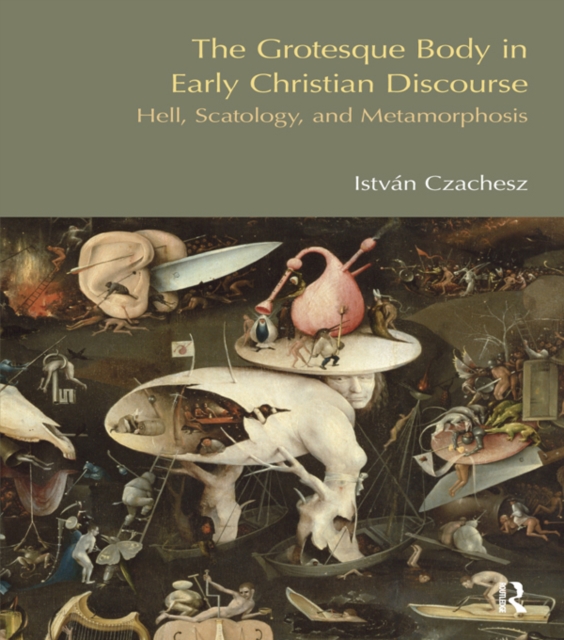
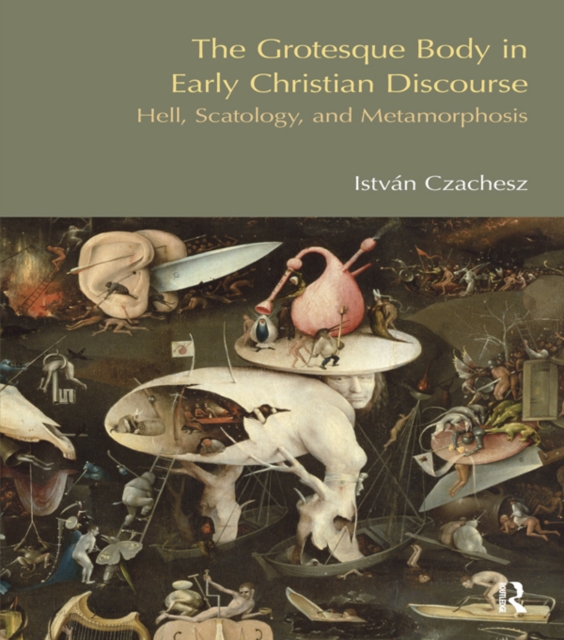
Early Christian apocryphal and conical documents present us with grotesque images of the human body, often combining the playful and humorous with the repulsive, and fearful.
Early Christian apocryphal and conical documents present us with grotesque images of the human body, often combining the playful and humorous with the repulsive, and fearful.
We are working within an increasingly globalised knowledge economy, where researchers collaborate in cross-cultural teams, collect data in a variety of languages and share findings for international audiences who may be unfamiliar with the cultural context.
We are working within an increasingly globalised knowledge economy, where researchers collaborate in cross-cultural teams, collect data in a variety of languages and share findings for international audiences who may be unfamiliar with the cultural context.
The Dao of Translation sets up an East-West dialogue on the nature of language and translation, and specifically on the "e;unknown forces"e; that shape the act of translation.
The Dao of Translation sets up an East-West dialogue on the nature of language and translation, and specifically on the "e;unknown forces"e; that shape the act of translation.
The Bible and Literature: The Basics provides an interpretive framework for understanding the significance of biblical allusions in literature-even for readers who have little prior knowledge of the Bible.
Translating Religion advances thinking about translation as a critical category in religious studies, combining theoretical reflection about processes of translation in religion with focused case studies that are international, interdisciplinary, and interreligious.
Translating Religion advances thinking about translation as a critical category in religious studies, combining theoretical reflection about processes of translation in religion with focused case studies that are international, interdisciplinary, and interreligious.
The Routledge Handbook of Audiovisual Translation provides an accessible, authoritative and comprehensive overview of the key modalities of audiovisual translation and the main theoretical frameworks, research methods and themes that are driving research in this rapidly developing field.
The Routledge Handbook of Audiovisual Translation provides an accessible, authoritative and comprehensive overview of the key modalities of audiovisual translation and the main theoretical frameworks, research methods and themes that are driving research in this rapidly developing field.
The Age of Translation is the first English translation of Antoine Berman's commentary on Walter Benjamin's seminal essay 'The Task of the Translator'.
The central premise of this book is that biblical Hebrew narrative, in terms of its structure, tends to operate under similar mechanical constraints to those of a stage-play; wherein 'space' is central, characters are fluid, and 'objects' within the narrative tend to take on a deep internal significance.
This volume offers a comprehensive view of current research directions in Translation and Interpreting Studies, outlining the theoretical concepts underpinning that research and presenting detailed discussions of the various methods used.