A nineteenth-century cookbook by the founder of New York's first cooking school providing affordable recipes and kitchen skills for working class American women.
The unnamed author of this charming almanac/cookbook concoction was as a "e;lady of [New York] who has kept an extensive Boarding-house, for twenty-two years in Pearl St.
This encyclopedic collection contains forty-four chapters with hundreds of recipes, and it includes discussions of methodology and ingredients as well as detailed recipes for a stunning array of dishes.
Take a fresh look at what you put on the table with The Founding Farmers Cookbook: 100 Recipes for True Food & Drink, from one of America's most popular and sustainable restaurants.
This encyclopedic collection contains forty-four chapters with hundreds of recipes, and it includes discussions of methodology and ingredients as well as detailed recipes for a stunning array of dishes.
In the unknown author's preface, she describes her purpose as to provide ladies with suggestions for what is reasonable for their tables for each day in the week, so they can easily provide an agreeable variety to their families.
Published in New York in 1871 and covering an extensive range of practical and wholesome recipes, De Witt's Connecticut Cook Book, and Housekeeper's Assistant includes recipes for everything from soups, roasting, broiling, and stewing meats, and coffees to vegetables, pickling, breads, preserving jellies and fruits, cakes, and cheese.
Published in 1873 in New York, The New Housekeeper's Manual was written by Catharine Esther Beecher and her sister Harriet Beecher Stowe, two of the most influential women writers and activists of their time.
According to the unknown author, "e;Without a perfect knowledge of the art of Carving, it is impossible to perform the honor of the table with propriety; and nothing can be more disagreeable to one of a sensitive disposition, than to behold a person, at the head of a well-furnished board, hacking the finest joints, and giving them the appearance of having been gnawed by dogs.
Claiming to be "e;the fruit of the personal experiences of at least a thousand housekeepers,"e; the book reprints the contents of the New York Times Sunday edition Household Column, which apparently was extremely popular in its day, and the public clamored for reprints of the column's recipes.
The American publication of Cottage Economy by Stephen Gould and Sons was basically a compilation of a series of pamphlets published by Cobbett in 1821 in England.
This down-to-earth kitchen companion "e;for frugal and economical housekeepers"e; was designed to help reconstitute the rich cookery traditions of the region that had been interrupted by the Civil War, and adapt them to the new requirements for thrift and "e;making do.
First published in England, this kitchen reference became available to colonial American housewives when it was printed in Williamsburg, Virginia is 1742.
From her writing and recipe style, Lady Harriet was clearly a sophisticated woman of means who deplored the "e;unpalatable horrible attempts at entrees, dignified with some high-sounding French name, made by the general run of English cooks.
The particular emphasis on varieties of seafood in The New England Cook Book, including specific recipes for cod, halibut, striped and sea bass, black fish, shad, salt cod, fish cakes, lobsters and crabs, "e;scollops,"e; eels, clams, and oysters easily identifies the book's origins.
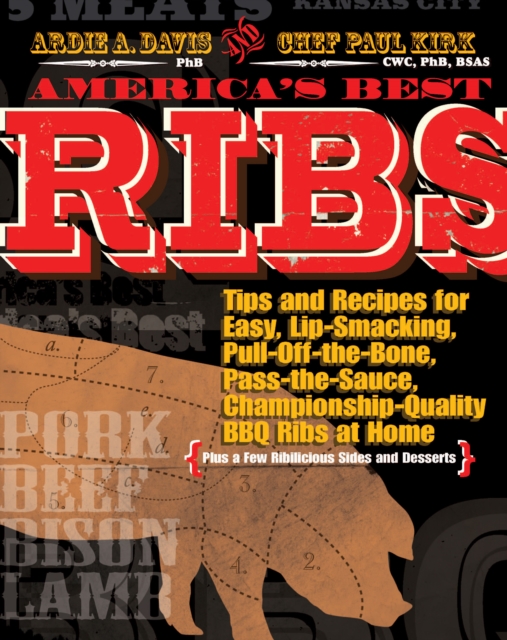
"e;A collection of recipes, tips and stories about ribs of nearly every meat variety"e; from the bestselling authors of America's Best BBQ (The Pitch).
The first edition of this very popular nineteenth century cookbook was published in 1839 as The American Housewife, later expanded to The Kitchen Directory and American Housewife and often republished as The American Housewife and Kitchen Directory.
The unnamed author of this charming almanac/cookbook concoction was as a "e;lady of [New York] who has kept an extensive Boarding-house, for twenty-two years in Pearl St.
Published in 1837 in Philadelphia, The Art of Dining; And the Art of Attaining High Health was originally published as a series of weekly articles titled The Original by social-activist author Thomas Walker.
Published in New York in 1829, Modern Domestic Cookery, and Useful Receipt Book shares both helpful household managing tips and over 650 recipes that are particularly adapted to combine "e;economy and gentility in its receipts and directions.
Published in Philadelphia in 1876, this volume in the American Antiquarian Cookbook Collection provides information about recipes and other cultural information from the 100 years between 1776 and 1876, divided into four sections: Cookery, Medical Department, Farming and Agriculture, and Events, and was published to celebrate the nation's first centennial.
With the blockade of Southern ports and the lack of trading between the North and South during the Civil War, the Confederacy found itself in great deprivation, lacking its customary supplies.