Cocina latina ligera, el primer libro de la chef venezolana Johana Clavel, reune más de 170 recetas latinoamericanas en sus versiones más saludables, inspiradas por su misión de llevar bienestar y conocimiento nutricional a nuestros hogares.

With a uniquely balanced combination of salty, sweet, sour, and spicy flavors, Thai food burst onto Los Angeles's and America's culinary scene in the 1980s.
This book explores the origins and significance of the French concept of terroir, demonstrating that the way the French eat their food and drink their wine today derives from a cultural mythology that developed between the Renaissance and the Revolution.
Secrets from the Greek Kitchen explores how cooking skills, practices, and knowledge on the island of Kalymnos are reinforced or transformed by contemporary events.
Current discussions of the ethics around alternative food movements--concepts such as "e;local,"e; "e;organic,"e; and "e;fair trade"e;--tend to focus on their growth and significance in advanced capitalist societies.
In the late nineteenth and early twentieth centuries, working-class Americans had eating habits that were distinctly shaped by jobs, families, neighborhoods, and the tools, utilities, and size of their kitchens-along with their cultural heritage.
This book is an interdisciplinary primer on critical thinking and effective action for the future of our global agrifood system, based on an understanding of the system's biological and sociocultural roots.
In the blizzard of attention around the virtues of local food production, food writers and activists place environmental protection, animal welfare, and saving small farms at the forefront of their attention.
Gary Paul Nabhan takes the reader on a vivid and far-ranging journey across time and space in this fascinating look at the relationship between the spice trade and culinary imperialism.
In this authoritative and immensely readable insider's account, celebrated cookbook author and former chef Joyce Goldstein traces the development of California cuisine from its formative years in the 1970s to 2000, when farm-to-table, foraging, and fusion cooking had become part of the national vocabulary.
Rachel Laudan tells the remarkable story of the rise and fall of the world's great cuisines-from the mastery of grain cooking some twenty thousand years ago, to the present-in this superbly researched book.
Beyond Hummus and Falafel is the story of how food has come to play a central role in how Palestinian citizens of Israel negotiate life and a shared cultural identity within a tense political context.
Veteran food writer Linda Lau Anusasananan opens the world of Hakka cooking to Western audiences in this fascinating chronicle that traces the rustic cuisine to its roots in a history of multiple migrations.
Although South Asian cookery and gastronomy has transformed contemporary urban foodscape all over the world, social scientists have paid scant attention to this phenomenon.
This book explores food from a philosophical perspective, bringing together sixteen leading philosophers to consider the most basic questions about food: What is it exactly?
People have always grown food in urban spaces-on windowsills and sidewalks, and in backyards and neighborhood parks-but today, urban farmers are leading an environmental and social movement that transforms our national food system.
These sometimes harrowing, frequently funny, and always riveting stories about food and eating under extreme conditions feature the diverse voices of journalists who have reported from dangerous conflict zones around the world during the past twenty years.
Cheap Meat follows the controversial trade in inexpensive fatty cuts of lamb or mutton, called "e;flaps,"e; from the farms of New Zealand and Australia to their primary markets in the Pacific islands of Papua New Guinea, Tonga, and Fiji.
Described in the 2008 Saveur 100 as "e;At the top of our bedside reading pile since its inception in 2001,"e; the award-winning Gastronomica: The Journal of Food and Culture is a quarterly feast of truly exceptional writing on food.
This richly drawn ethnography of Samburu cattle herders in northern Kenya examines the effects of an epochal shift in their basic diet-from a regimen of milk, meat, and blood to one of purchased agricultural products.
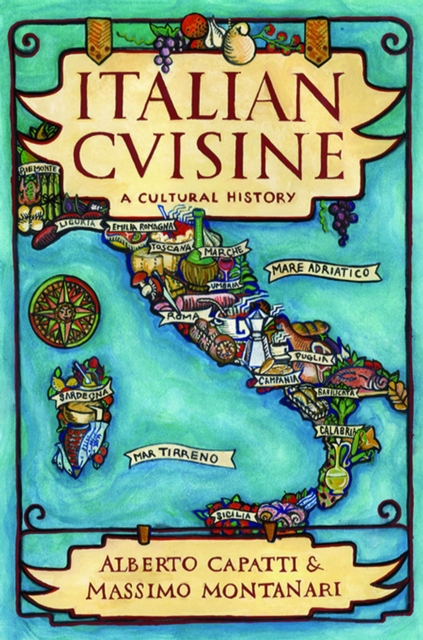
Spaghetti, gnocchi, tagliatellea, ravioli, vincisgrassi, strascinati-pasta in its myriad forms has been a staple of the Mediterranean diet longer than bread.
Dacha Idylls is a lively account of dacha life and how Russians experience this deeply rooted tradition of the summer cottage amid the changing cultural, economic, and political landscape of postsocialist Russia.
Marion Nestle, acclaimed author of Food Politics, now tells the gripping story of how, in early 2007, a few telephone calls about sick cats set off the largest recall of consumer products in U.
A History of Wine in America is the definitive account of winemaking in the United States, first as it was carried out under Prohibition, and then as it developed and spread to all fifty states after the repeal of Prohibition.
In this provocative and lively addition to his acclaimed writings on food, Warren Belasco takes a sweeping look at a little-explored yet timely topic: humanity's deep-rooted anxiety about the future of food.
One ofFood & Wines35 Best Cookbooks of All TimeWinner of the James Beard Award in Asian Cooking One of Chef Samin Nosrat's Ten Favorite Books The Persians of antiquity were renowned for their lavish cuisine and their never-ceasing fascination with the exotic.
In comparative tastings, wines from California's Central Coast rival those from such renowned regions as Bordeaux, Burgundy, and Napa, yet they also offer superb value.
The Zinfandel grape-currently producing big, rich, luscious styles of red wine-has a large, loyal, even fanatical following in California and around the world.