This book reimagines what it means to begin an academic life by exploring the diverse, nonlinear, and often invisible paths that lead people into academic careers.
This book reimagines what it means to begin an academic life by exploring the diverse, nonlinear, and often invisible paths that lead people into academic careers.
This volume provides a comprehensive exploration of the transformative journey educational leaders undertake, emphasizing the symbiosis of transformational and servant leadership.
This volume provides a comprehensive exploration of the transformative journey educational leaders undertake, emphasizing the symbiosis of transformational and servant leadership.
This book brings together integrated knowledge on how social innovations can effectively address the societal grand challenge of providing quality school education to marginalized communities in India.
Exploring how wide-ranging debates have supported, extended, repositioned, or conflicted with the original notion of Communities of Practice (CoPs) as sites of situated learning, this book argues that they can be cultivated and managed in higher education settings to create and support an inclusive culture for teaching and research, and career development.
This book brings together integrated knowledge on how social innovations can effectively address the societal grand challenge of providing quality school education to marginalized communities in India.
Exploring how wide-ranging debates have supported, extended, repositioned, or conflicted with the original notion of Communities of Practice (CoPs) as sites of situated learning, this book argues that they can be cultivated and managed in higher education settings to create and support an inclusive culture for teaching and research, and career development.
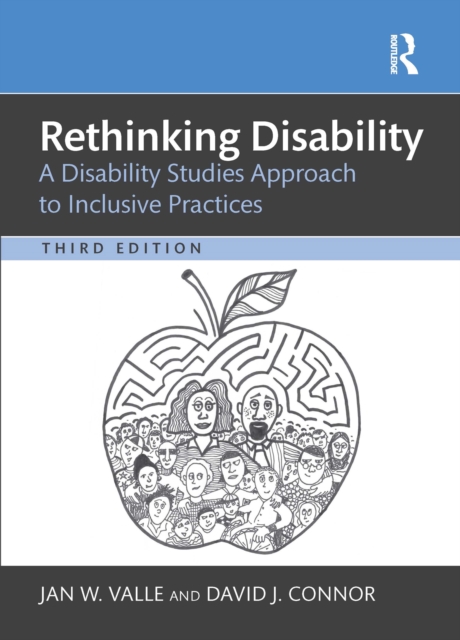
Now in its third edition, Rethinking Disability offers a comprehensive and updated exploration of ethical approaches to disability and strategies for fostering inclusive education.
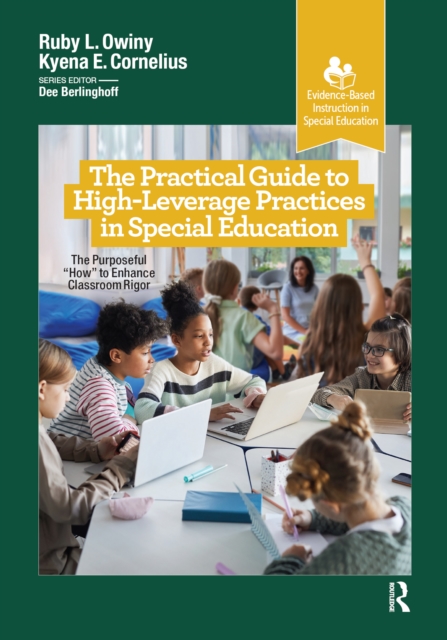
Designed for teacher preparation programs as well as teacher professional development, The Practical Guide to High-Leverage Practices in Special Education: The Purposeful "e;How"e; to Enhance Classroom Rigor is the first book of its kind to introduce multiple HLPs working in tandem to implement evidence-based practices (EBPs).
Designed for teacher preparation programs as well as teacher professional development, The Practical Guide to High-Leverage Practices in Special Education: The Purposeful "e;How"e; to Enhance Classroom Rigor is the first book of its kind to introduce multiple HLPs working in tandem to implement evidence-based practices (EBPs).
Now in its third edition, Rethinking Disability offers a comprehensive and updated exploration of ethical approaches to disability and strategies for fostering inclusive education.
Based on the second series of the popular Inclusion Dialogue podcasts, Joanne Banks explores the tensions, debates and understandings of inclusive education in context of current policy changes.
How can teachers facilitate meaningful classroom conversations in which students engage in shared inquiry, building on what others have written or said (even to disagree)?
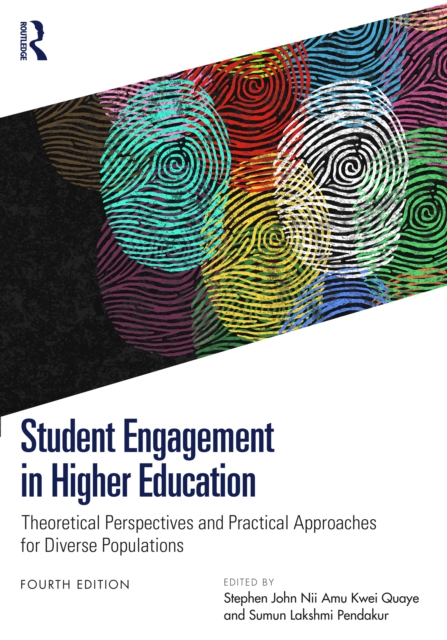
In the Fourth Edition of this foundational volume, the editors and chapter contributors explore how diverse and underserved populations of higher education students experience college differently and encounter group-specific barriers to success.
How can teachers facilitate meaningful classroom conversations in which students engage in shared inquiry, building on what others have written or said (even to disagree)?
Based on the second series of the popular Inclusion Dialogue podcasts, Joanne Banks explores the tensions, debates and understandings of inclusive education in context of current policy changes.
In the Fourth Edition of this foundational volume, the editors and chapter contributors explore how diverse and underserved populations of higher education students experience college differently and encounter group-specific barriers to success.
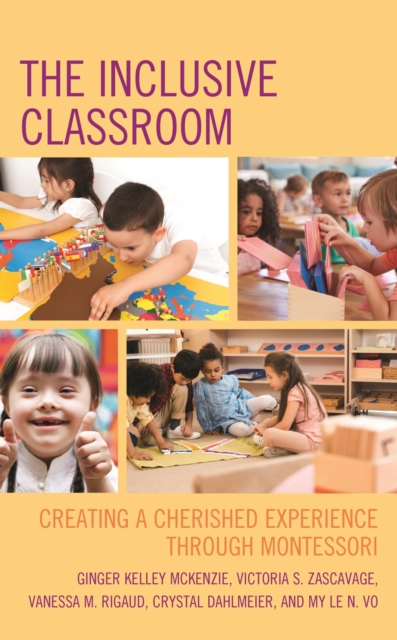
The Inclusive Classroom: Creating a Cherished Experience through Montessori brings together experts in Montessori Education and Special Education for the 3- to 6-year-old child in Montessori school.
The Inclusive Classroom: Creating a Cherished Experience through Montessori brings together experts in Montessori Education and Special Education for the 3- to 6-year-old child in Montessori school.
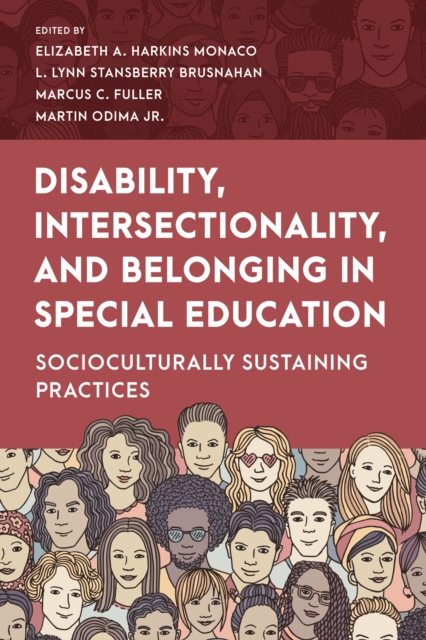
Disability, Intersectionality, and Belonging in Special Education focuses on preparing educators who use socioculturally sustaining practices, curricula, and instruction through an intersectional lens.
In the current standards-based, accountability-driven world of education, it is difficult for educators to use differentiated instruction to cater to the individual learning needs of each student.
In the current standards-based, accountability-driven world of education, it is difficult for educators to use differentiated instruction to cater to the individual learning needs of each student.
Disability, Intersectionality, and Belonging in Special Education focuses on preparing educators who use socioculturally sustaining practices, curricula, and instruction through an intersectional lens.
This edited volume is a collection of studies guided by theoretical and practical interdisciplinary approaches to family and school involvement in multilingual education and heritage language development featuring contributors with expertise in applied linguistics, sociolinguistics, language policy and education.
Intersectionality makes visible and relevant marginalized identities and engages students in critical strategies for social justice against oppression, power, and hegemony inside and outside the classroom.