Winner of Honorable Mention for the 2018 Conference on College Composition and Communication Outstanding Book AwardThis book examines the history of ethnic minorities particularly Chicano/as and Latino/as--in the field of composition and rhetoric; the connections between composition and major US historical movements toward inclusiveness in education; the ways our histories of that inclusiveness have overlooked Chicano/as; and how this history can inform the teaching of composition and writing to Chicano/a and Latino/a students in the present day.
This book enables Western scholars and educators to recognize the roles and contributions of shadow education/hakwon education in an international context.
This state-of-the-art, comprehensive Handbook is the first of its kind to fully explore the interconnections between social justice and education for citizenship on an international scale.
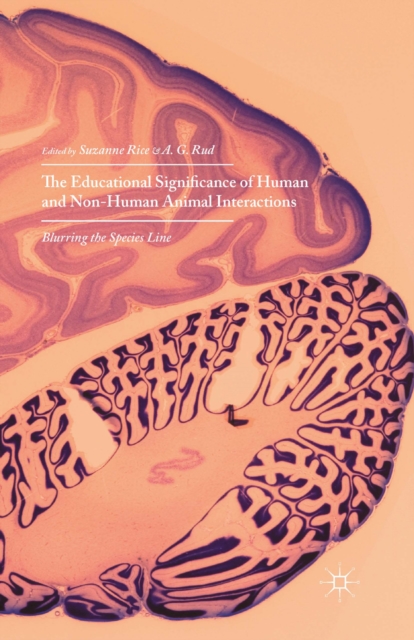
The Educational Significance of Human and Non-Human Animal Interactions explores human animal/non-human animal interactions from different disciplinary perspectives, from education policy to philosophy of education and ecopedagogy.
International Teaching and Learning at Universities investigates both the positive and the more problematic aspects of the internationalization of education.
The debate about languages of instruction in Africa and Asia involves an analysis of both the historical thrust of national government and also development aid policies.
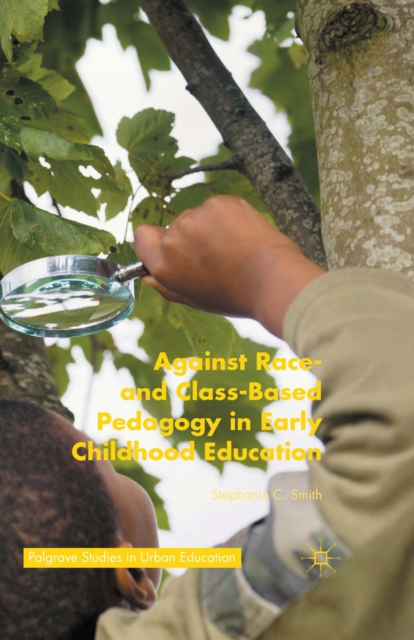
This book examines differing classroom pedagogies in two early childhood programs serving vulnerable populations in Chicago, one program Reggio Emilia-inspired, while the other uses a more didactic pedagogy.
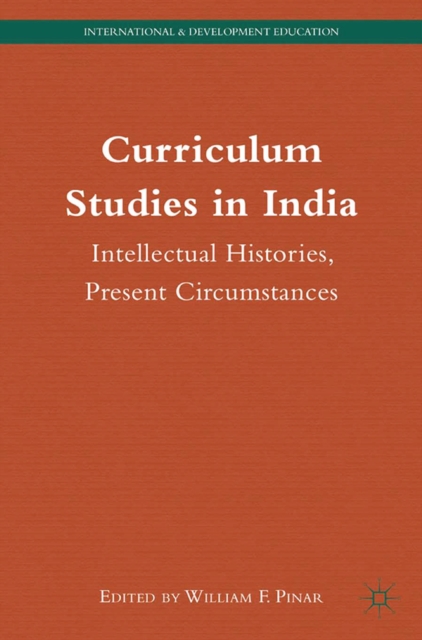
Curriculum Studies in India examines Indian scholars in dialogue regarding their intellectual life histories and subjective investments in their field.
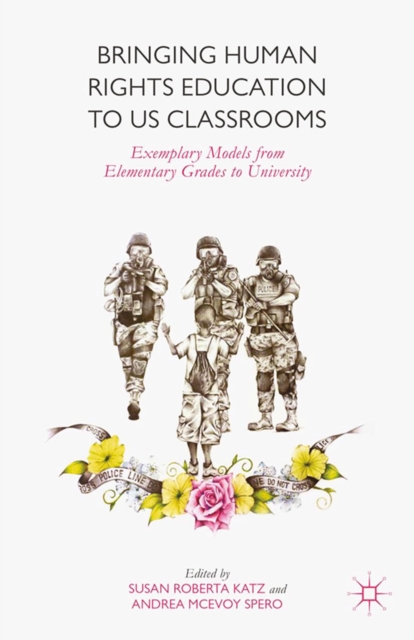
This book offers research-based models of exemplary practice for educators at all grade levels, from primary school to university, who want to integrate human rights education into their classrooms.
In Knowing and Learning as Creative Action, Aaron Stoller makes the case that contemporary schooling is grounded in a flawed model of knowing, which draws together mistakes in thinking about the nature of the self, of knowledge, and of reality, which are contained in the epistemological proposition: 'S knows that p' (SP).
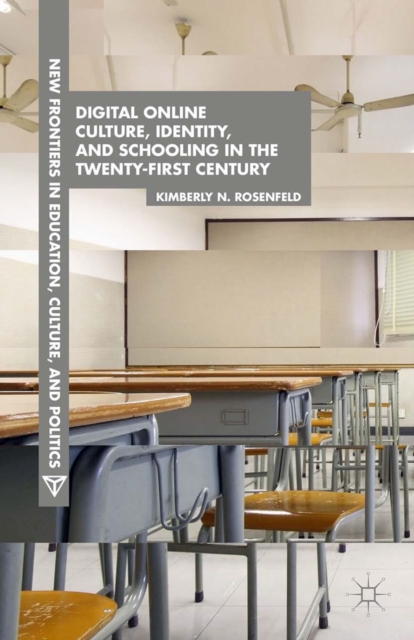
Digital Online Culture, Identity and Schooling in the Twenty-First Century provides a cultural, ideological critique of identity construction in the context of virtualization.
Writing for educators and education leaders, Cunningham shows that combining a philosophy of pragmatism with thinking about education as systems can illuminate challenges in contemporary schooling and provide practical solutions for creating a democratic education.
A rich, comparative case study systematically exploring two program approaches for preparing teachers of color, Gist's work explores culturally responsive pedagogy as a strategy for organizing teacher education.
Joldersma applies Levinas's ethics systematically to the commonplaces of education - teaching, learning, curriculum, and institutions - and elucidates the role of justice and responsibility and the meaning of calling and inspiration in education.
Newell compares the fundamental assumptions of five major worldviews of education and their implications for classroom practice, incorporating history and case studies and posing questions about the limits and benefits of employing each today.
In one volume, this edited collection provides both a theoretical and praxis-driven engagement with teaching world literature, focusing on various aspects of critical pedagogy.
2013 Outstanding Academic Title by Choice ReviewKumar asks in this volume: Since characteristic features of human consciousness - fear, conditioning, and fragmentation - work against the educational experience, how can we re-imagine curriculum as a space for meditative inquiry and allow it to provide transformative educational experiences to teachers and their students?
Pinar documents that the field of curriculum studies in the United States is in the early stages of a second paradigm shift, this time stimulated by present political circumstances.
Biocapitalism, an economic model built on making new commodities from existing forms of life, has fundamentally changed how we understand the boundaries between nature/culture and human/nonhuman.
Assembles essays addressing the recurring question of the 'subject,' understood both as human person and school subject, thereby elaborating the subjective and disciplinary character of curriculum studies.
Comprised of chapters written by established Canadian curriculum scholars as well as junior scholars and graduate students, this collection of essays provoke readers to imagine the different ways in which educational researchers can engage the narrative inquiry within the broader field of curriculum studies.
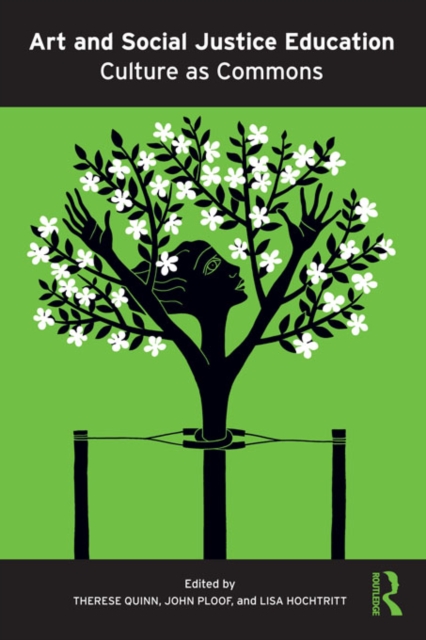
Art and Social Justice Education offers inspiration and tools for educators to craft critical, meaningful, and transformative arts education curriculum and arts integration projects.
Art and Social Justice Education offers inspiration and tools for educators to craft critical, meaningful, and transformative arts education curriculum and arts integration projects.
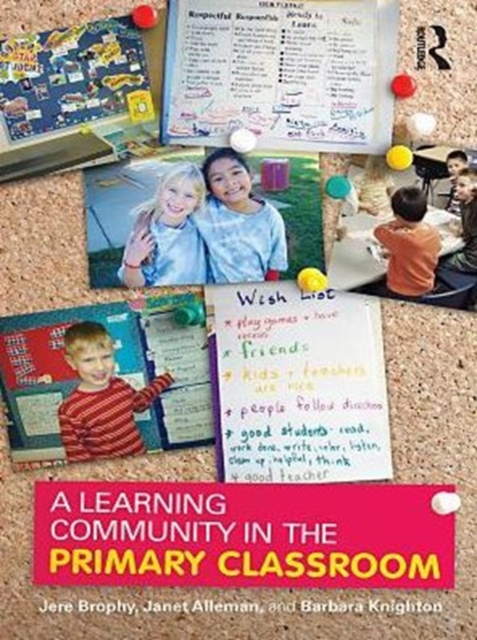
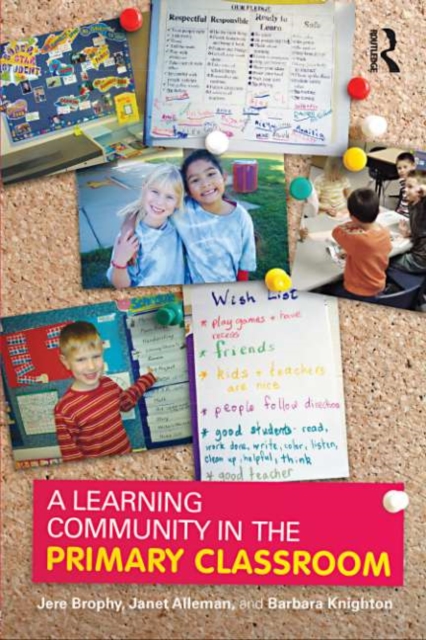
This richly detailed description and analysis of exemplary teaching in the primary grades looks at how a teacher establishes her classroom as a collaborative learning community, how she plans curriculum and instruction that features powerful ideas and applications to life outside of school, and how, working within this context, she motivates her students to learn with a sense of purpose and thoughtful self-regulation.
This richly detailed description and analysis of exemplary teaching in the primary grades looks at how a teacher establishes her classroom as a collaborative learning community, how she plans curriculum and instruction that features powerful ideas and applications to life outside of school, and how, working within this context, she motivates her students to learn with a sense of purpose and thoughtful self-regulation.
Using "e;cultures of curriculum"e; as a lens, this clear, compelling text reveals and critically examines the belief systems and classroom practices of curricular orientations in contemporary American society.
Using "e;cultures of curriculum"e; as a lens, this clear, compelling text reveals and critically examines the belief systems and classroom practices of curricular orientations in contemporary American society.
Although traditional curriculum and instructional leadership frameworks have dominated educational administration training for almost thirty years, it has become increasingly clear that even the most recent frameworks have failed today's leaders who struggle with the politics of curriculum decisions on a daily basis.
Although traditional curriculum and instructional leadership frameworks have dominated educational administration training for almost thirty years, it has become increasingly clear that even the most recent frameworks have failed today's leaders who struggle with the politics of curriculum decisions on a daily basis.
Designed to help student teachers develop an approach to teaching that is both theoretical and practical, this text focuses on key aspects of teaching rather than trying to "e;cover the waterfront.
Curriculum scholars and teachers working for social justice and equity have been caught up in acrimonious and polarizing political debates over content, ideology, and disciplinary knowledge.
Continuing its calling to define the field and where it is going, the Second Edition of this landmark handbook brings up to date its comprehensive reportage of scholarly developments and school curriculum initiatives worldwide, providing a panoramic view of the state of curriculum studies globally.
Continuing its calling to define the field and where it is going, the Second Edition of this landmark handbook brings up to date its comprehensive reportage of scholarly developments and school curriculum initiatives worldwide, providing a panoramic view of the state of curriculum studies globally.