Understanding the biochemistry of food is basic to all other research and development in the fields of food science, technology, and nutrition, and the past decade has seen accelerated progress in these areas.
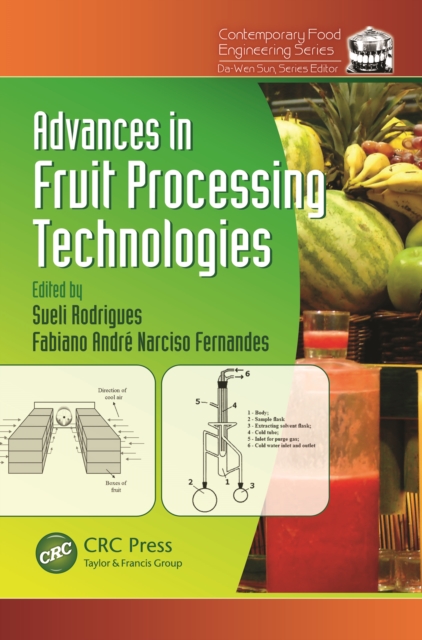
One of the main concerns of the food industry is the need for high-quality fresh fruits and fruit products with good sensory quality, long shelf life, and high nutritional value.
Unleashing the Power of Functional Foods and Novel Bioactives guides readers to understand how the physiological effects of functional foods can optimize health and aid in specific disease outcomes and prevention.
Presenting a novel view of the quantitative modeling of microbial growth and inactivation patterns in food, water, and biosystems, Advanced Quantitative Microbiology for Foods and Biosystems: Models for Predicting Growth and Inactivation describes new models for estimating microbial growth and survival.
Unleashing the Power of Functional Foods and Novel Bioactives guides readers to understand how the physiological effects of functional foods can optimize health and aid in specific disease outcomes and prevention.
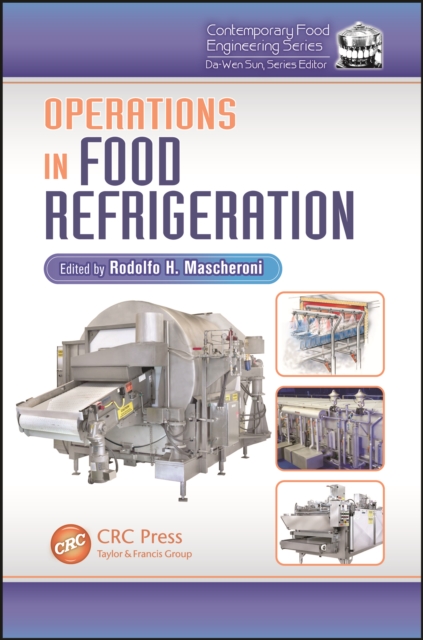
The final quality of a food product is impacted heavily by preservation technologies, such as chilling, freezing, and freeze-drying, as well as the numerous pretreatments that are routinely applied to foods.
Cinnamon: Production, Processing, and Functional Properties is the first book to cover the composition, production, and applications of cinnamon for food, pharmaceutical, cosmetic, and industrial uses.
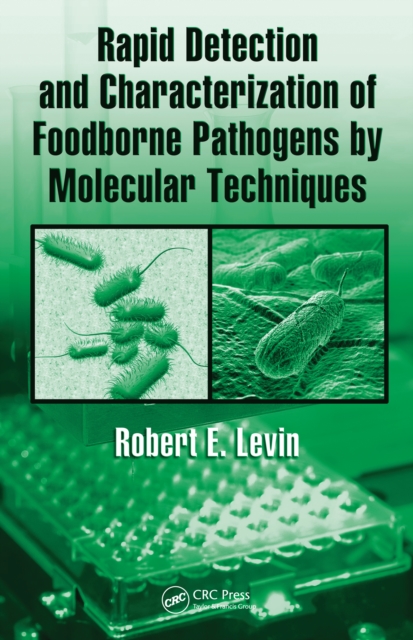
Written by one of the most prolific and respected researchers in food safety, this volume describes molecular techniques for the detection and discrimination of major infectious bacteria associated with foods.
Building upon the scope of its predecessors, Dairy Science and Technology, Third Edition offers the latest information on the efficient transformation of milk into high-quality products.
Building upon the scope of its predecessors, Dairy Science and Technology, Third Edition offers the latest information on the efficient transformation of milk into high-quality products.
A fresh view of the state-of-the-art, Advances in Food Extrusion Technology focuses on extruder selection, extrudate development, quality parameters, and troubleshooting in the 21st century extrusion process.
Covers a Host of Groundbreaking TechniquesThermal processing is known to effectively control microbial populations in food, but the procedure also has a downsideit can break down the biochemical composition of foods, resulting in a marked loss of sensory and nutritional quality.
As a result of their unique physical properties, biological membrane mimetics, such as liposomes, are used in a broad range of scientific and technological applications.
This volume provides a comprehensive introduction to methods and procedures related to the preparation, characterization, and main result interpretations of methods used for studying molecular interactions in Food Science.
This unique textbook takes a holistic approach to food poisoning and food hygiene, explaining in clear and non-technical language the causes of food poisoning with practical examples from 'real-life' outbreaks.
This volume provides a comprehensive introduction to methods and procedures related to the preparation, characterization, and main result interpretations of methods used for studying molecular interactions in Food Science.
Controlling, measuring, and "e;designing"e; the color of food are critical concerns in the food industry, as the appeal of food is chiefly determined visually, with color the most salient visual aspect.
Processing Foods: Quality Optimization and Process Assessment provides a large body of updated information - helping researchers and industrialists make use of new concepts, technologies and approaches that are at the heart of modern food research.
The second edition of a bestseller, Functional Food Ingredients and Nutraceuticals: Processing Technologies covers new and innovative technologies for the processing of functional foods and nutraceuticals that show potential for academic use and broad industrial applications.
This volume chronicles the proceedings of the Third International Symposium on Contact Angle, Wettability and Adhesion held in Providence, Rhode Island, May 20a 23, 2002.
The enzyme market for the fruit and vegetable industry has grown exponentially in recent years, and while many books covering enzymes currently exist on the market, none offer the specialized focus on fruits and vegetables like this one.
The focus of food science and technology has shifted from previous goals of improving food safety and enhancing food taste toward providing healthy and functional foods.
Even though the perception of food quality may depend on its hedonic and often subjective attributes, it is essential to quantitatively evaluate its quality and safety.
"e;Offers comprehensive coverage of the latest toxicological, technological, and nutritional developments in both natural and synthetic antioxidants used in the food industry.
Rapid expansion of research on the development of novel food processes in the past decade has resulted in novel processes drawn from fields outside the traditional parameters of food processing.
The application of microwaves has been a major advancement in food processing over the past 50 years, and yet to date there have been very few publications focusing exclusively on microwave processing and none covering the latest technological and theoretical advances.
Ohmic heating provides rapid and uniform heating, resulting in less thermal damage than conventional heating and allowing manufacturers to obtain high-quality products with minimum sensorial, nutritional, and structural changes.
In the last three decades, revolutionary achievements have taken place in nutraceutical and functional food research including the introduction of a number of cutting-edge dietary supplements supported by human clinical trials and strong patents.
While modern food production has become increasingly efficient in providing a wide range of convenient and affordable products, individuals struggling with gluten intolerance, FODMAP intolerance, and intolerance to food additives are an exception when their health conditions limit the foods they can safely eat.
In 1636 the poet and traveller John Taylor wrote, 'Hertfordshire is a County that surpasseth all other Countries and Counties for making the best malt.
Written by world class authorities, this volume discusses formulation, sensory, and consumer testing, package design, commercial production, and product launch and marketing.
Application of Emerging Technologies and Strategies to Extract Bioactive Compounds, Volume Three in the Developments in Food Quality and Safety series, is the most up-to-date resource covering trend topics such as advances in the analysis of toxic compounds and control of food poisoning, food fraud, traceability and authenticity, revalorization of agrifood industry, natural antimicrobial compounds and application to improve the preservation of food, non-thermal processing technologies in the food industry, nanotechnology in food production, and Intelligent packaging and sensors for food applications.
While there is a nearly universal agreement that drinking tea can benefit health, information on the benefits or adverse effects of drinking tea is scattered, leaving definitive answers difficult to ascertain.
Unlock the mysteries of nanotechnology's transformative role in the food industry with Nanotechnology in the Food Industry: Applications, Recent Trends, and Future Perspectives.
While there is a nearly universal agreement that drinking tea can benefit health, information on the benefits or adverse effects of drinking tea is scattered, leaving definitive answers difficult to ascertain.
This second volume, details circular economy, innovative materials and techniques, and Omics' techniques to understand the mechanisms and pathways explaining the encapsulation and delivery of the defined nuclei.
This second volume, details circular economy, innovative materials and techniques, and Omics' techniques to understand the mechanisms and pathways explaining the encapsulation and delivery of the defined nuclei.
Consumers around the world have become better educated and more demanding in their identification and purchase of quality health-promoting foods; therefore the food industry requires innovative technologies to provide their clientele with safe and stable foods that meet safety regulations .