This revised and updated Second Edition of Polymer Synthesis II continues in the tradition of Volume I in presenting detailed laboratory instructions for the preparation of various polymers.
Linking theory to practice, this book provides a better fundamental understanding of Portland cement and hydraulic binders which is necessary to make better concrete.
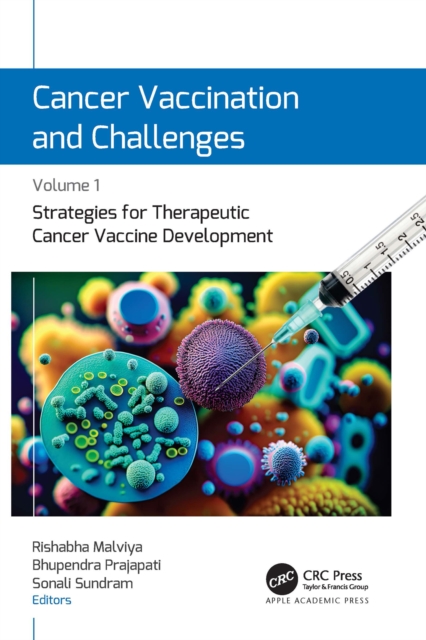
Volume 1: Strategies for Therapeutic Cancer Vaccine Development deals with different strategies of cancer vaccine development, focusing on techniques for the development of therapeutic cancer vaccines and the roles of tumor antigens, proteins/peptides, microbial genes, and stem cells for the development of vaccines for cancer management.
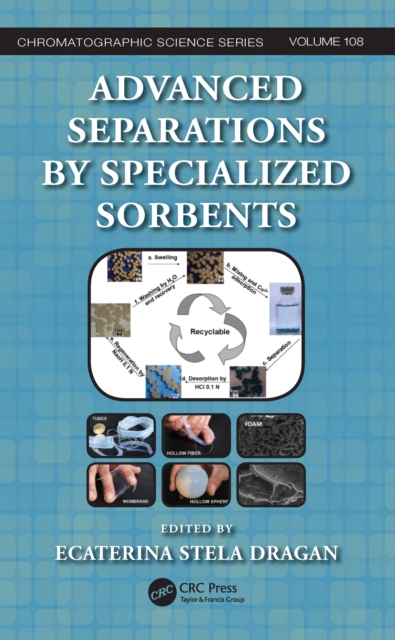
Advanced Separations by Specialized Sorbents opens a new window into sorbent materials, presenting fundamental principles for their syntheses and adsorption properties.
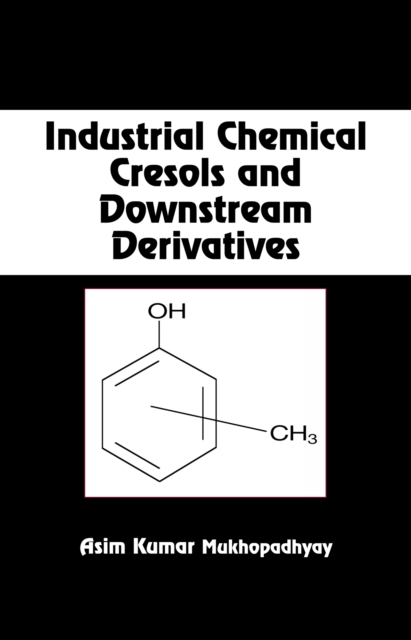
Meeting the need for a comprehensive source addressing every aspect of cresol production, analysis, and impact, this detailed reference offers the most up-to-date account of cresols and their downstream derivatives, written by an internationally renowned consultant in the fine chemicals industry.
Microbiology of Fruits and Vegetables presents a holistic view of the problem of produce contamination that examines both pre-harvest and post-harvest sources and practices.
Starch is one of the major polysaccharides employed as biopolymers by the food industry, and its wide range of applications has resulted in intense research of starch structure and technology.
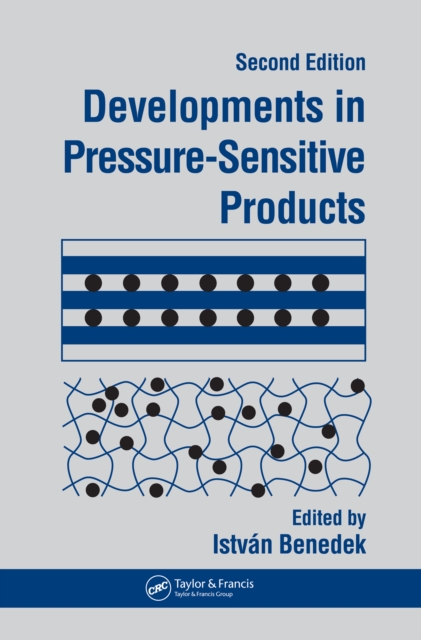
Since the first groundbreaking edition of Developments in Pressure-Sensitive Products was introduced in 1998, heavy research has resulted in substantial progress in the field.
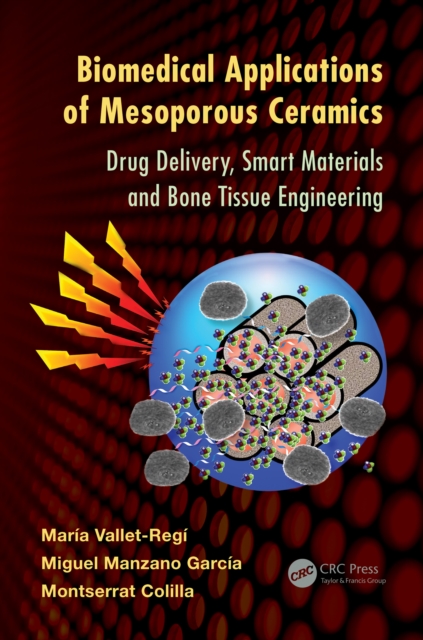
Developments in mesoporous ceramics in drug delivery, nanomedicine, and bone tissue regeneration have opened promising developments in biomedical research, many applicable in the clinic in the near future.
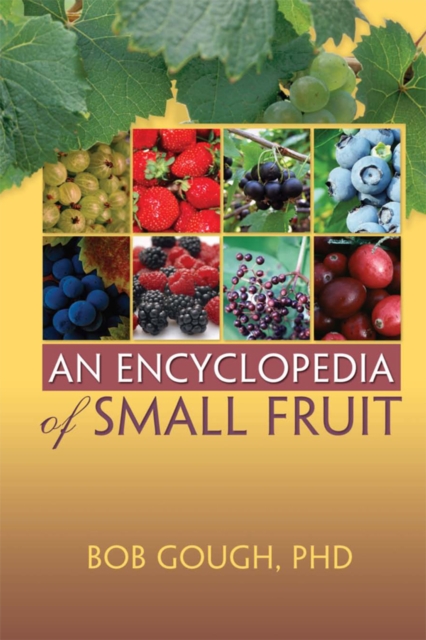
An A-to-Z look at the world of small fruits While there are many books on small fruit culture, their focus is often very specific or confined to just a few species.
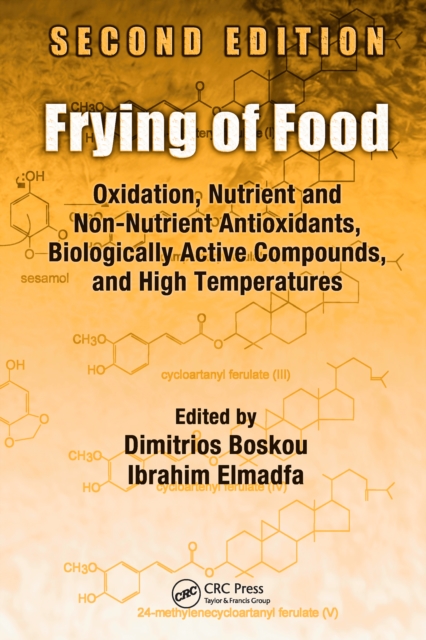
Frying of Food is the first reference to examine frying of food from the point of view of changes occurring to biologically-active constituents and the effects of such changes on the stability, performance and nutritive value of frying oil.
This title is intended to assist pharmaceutical scientists in the development of stable protein formulations during the early stages of the product development process, providing a comprehensive review of mechanisms and causes of protein instability in formulation development, coverage of accelerated stability testing methods and relevant analytica
With tentacles that reach into several biological and medical sciences, including epidemiology, infectious diseases, community medicine, and public health, food science has become a truly interdisciplinary discipline.
Shorter reaction times, higher product yields, and enhanced selectivity are some of the advantages microwave heating has over conventional methods, causing its use to transition from a curiosity to mainstream, both in industrial and academic settings.
The 2nd International Conference on Futuristic Advancements in Materials, Manufacturing and Thermal Sciences (ICFAMMT-2024) was jointly organized by the Department of Mechanical and Aerospace Engineering, Institute of Infrastructure, Technology, Research and Management (IITRAM), Ahmedabad, India, and the Space Society of Mechanical Engineers (SSME), Space Applications Centre, ISRO, Ahmedabad.
Volume 3: Conveniently gathering up-to-date information on herbicides' chemistry, degradation, and mode of action in one source, this reference discusses glyphosatc and the traits that have made it so successful .
Realizing that water, energy and food are the three pillars to sustain the growth of human population in the future, this book deals with all the above aspects with particular emphasis on water and energy.
Responding to an estimated 14 million cases of food-borne disease that occur every year in the United States alone, the Food and Drug Administration and US Department of Agriculture have begun implementing new regulations and guidance for the microbial testing of foods.
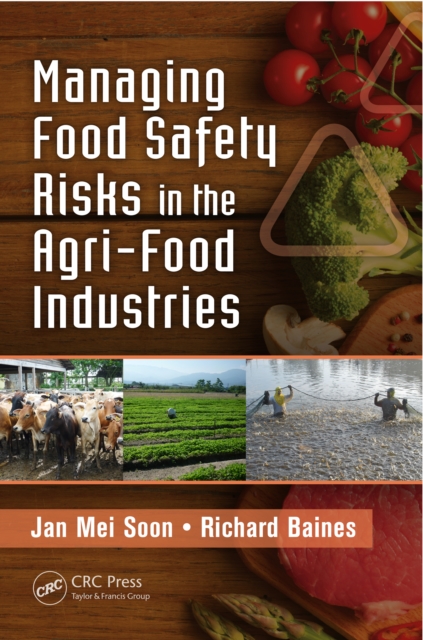
Modern farming practices involve more stakeholders in the supply chain, presenting issues of storage, transportation, and distribution prior to reaching the consumer.
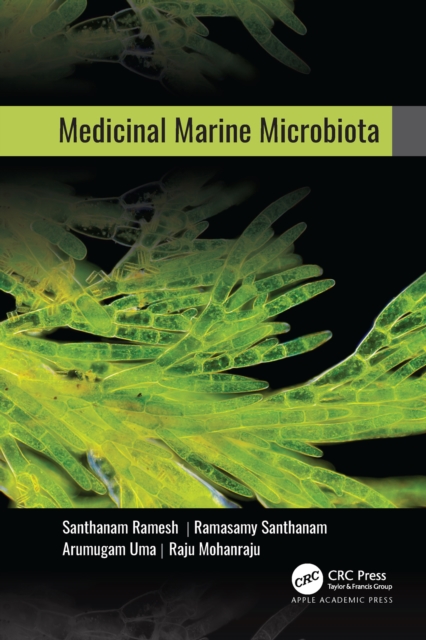
Marine biota includes marine microbes, plants, and animals that constitute about 50% of the total world biodiversity, and they have the potential of being a rich source of bioactive compounds that can be beneficial in the prevention of cancer, heart disease, and other diseases.
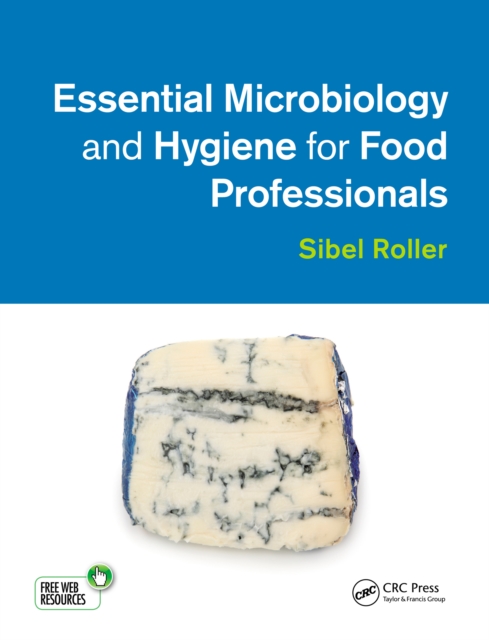
Essential Microbiology and Hygiene for Food Professionals is an accessible and practical introduction, providing the basic science relating to microorganisms in food.
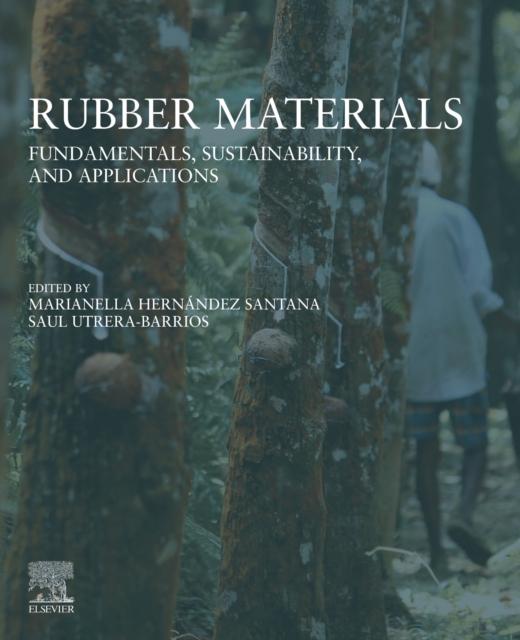
Rubber Materials: Fundamentals, Sustainability, and Applications provides a fresh perspective on the potential of rubber materials in the 21st century when our global society faces unprecedented challenges related to resource consumption, waste management, and environmental impact.
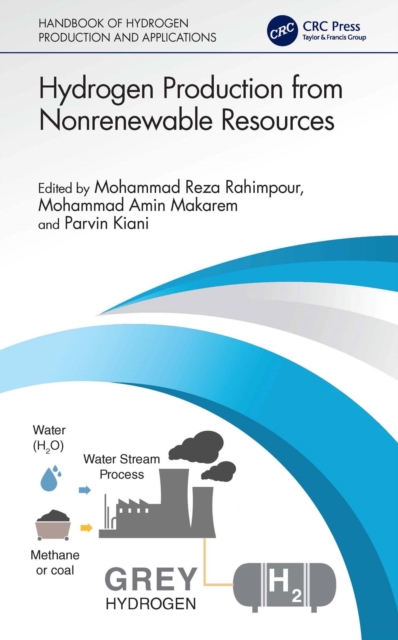
The conventional generation of a substantial quantity of hydrogen from resources based on fossil fuels continues to play an essential role in the hydrogen economy.
Mass transfer along with separation processes is an area that is often quite challenging to master, as most volumes currently available complicate the learning by teaching mass transfer linked with heat transfer, rather than focusing on more relevant techniques.