A groundbreaking graphic novel-style cocktail book from world-renowned bar The Dead Rabbit in New York City The Dead Rabbit Grocery & Grog in lower Manhattan has won every cocktailaward there is to win, including being namedBest Bar in the World in 2016.
Unit Operations in Food Grain Processing covers theory and principles as well as best practices in cleaning, grading, drying, storage, milling, handling, transportation, and packaging of grains.
Antimicrobial Food Packaging, Second Edition continues to be an essential resource covering all aspects in the development and application of novel antimicrobial films to all types of packaged foods.
Honey bees are social insects; they live together in large, well-organized family groups comprising three castes: queen (fertile female), workers (sterile females) and drones (males).
With a new subtitle to reflect its global perspective and a new author, this book continues the mission of earlier editions to describe the stages of food development in detail, beginning with sources of ideas and moving through development, final screening and introduction into the marketplace.
While nutritional supplements have enormous advantages, food ingredients such as fruits and vegetables can play a significant preventative and therapeutic role in our daily lives.
The book examines sustainable food procurement policy and practice in the European Union and beyond, exploring the extent to which sustainability objectives have been achieved and evaluating the new developments taking place at both EU and national levels.
Wars cannot be fought and sustained without food and this unique collection explores the impact of war on food production, allocation and consumption in Europe in the twentieth century.
Wars cannot be fought and sustained without food and this unique collection explores the impact of war on food production, allocation and consumption in Europe in the twentieth century.
The relationship between intellectual property and food affects the production and availability of food by regulating dealings in products, processes, innovations, information and data.
The relationship between intellectual property and food affects the production and availability of food by regulating dealings in products, processes, innovations, information and data.
Wheat Wild Relatives: Developing Abiotic Stress Tolerance under Climate Change presents a state-of-the-art outline of the problem, including issues, opportunities, and modern developments in the utilization of Wild Wheat Relatives (WWR) and related neglected species for wheat crop improvement, specifically focusing on environmental constraints.
Australian Native Plants: Cultivation and Uses in the Health and Food Industries provides a comprehensive overview of native food crops commercially grown in Australia that possess nutritional and health properties largely unknown on a global basis.
In 1981, David Jenkins, Thomas Wolever, and colleagues introduced the concept of the glycemic index (GI) to differentiate carbohydrates based on the rate of blood glucose rise following their consumption.
Food toxicology studies how natural or synthetic poisons and toxicants in diverse food products cause harmful, detrimental, or adverse side effects in living organisms.
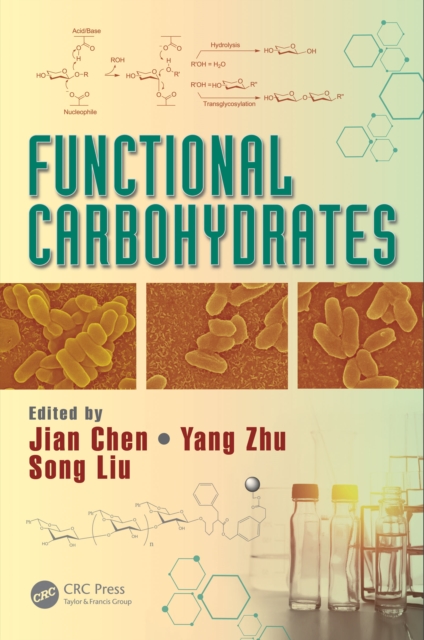
"e;Functional carbohydrates"e; is the term used to describe those carbohydrates that play an important role in strengthening immunity, decreasing the level of blood-lipid, and regulating the intestinal flora of humans, beyond those simply used as the energy-supplying materials.
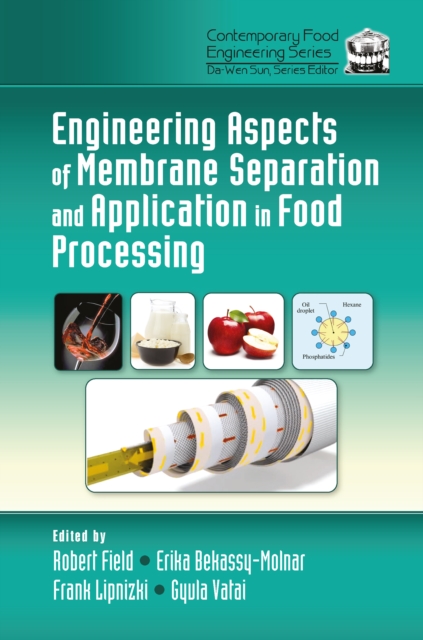
Engineering Aspects of Membrane Separation and Application in Food Processing presents an overview and introduction to a wide range of membrane processes, their unique characteristics and challenges.
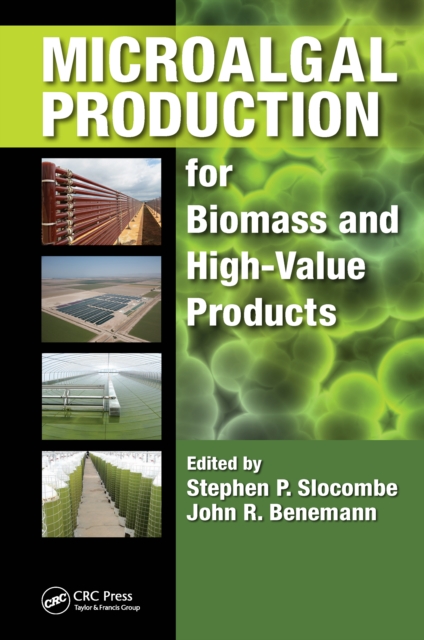
Microalgae are a particularly interesting source of products that range from currently marketed human nutritionals and food ingredients, to potential sources of biofuels and animal feeds.
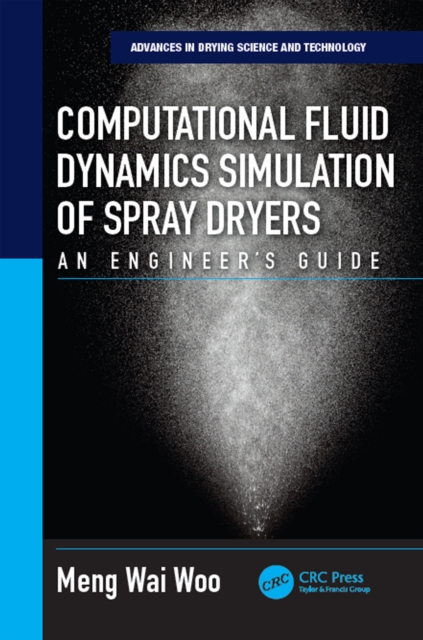
Bridging the gap in understanding between the spray drying industry and the numerical modeler on spray drying, Computational Fluid Dynamics Simulation of Spray Dryers: An Engineer's Guide shows how to numerically capture important physical phenomena within a spray drying process using the CFD technique.
Lactic acid fermentation has been practiced for thousands of years mainly to preserve surplus and perishable foodstuff and also to enhance them organoleptically.
Because they meet the needs of today's consumers, fresh-cut plant products are currently one of the hottest commodities in the food market of industrialized countries.
Due to the indigenous knowledge of pre-Colombian indigenous tribes and the new methods introduced by the immigrants arriving from Europe and other continents, a wide variety of fermented foods are produced in Latin America.
Food Spoilage Microorganisms: Ecology and Control focuses on the occurrence, outbreak, consequences, control, and evaluation of spoilage microorganisms in food, providing the necessary basic knowledge of food spoilage ecology and control so as to ensure food safety, especially in developing countries where food hygiene in storage requires special care.
Toxins and Other Harmful Compounds in Foods provides information on the contents, distribution, chemical properties, and biological activity of toxins and other harmful compounds in foods that are natural components of the raw materials, accumulated due to microbial actions and environmental pollution, or are generated due to processing.
The aim of food processing is to produce food that is palatable and tastes good, extend its shelf-life, increase the variety, and maintain the nutritional and healthcare quality of food.
Written for and by dairy and food engineers with experience in the field, this new volume provides a wealth of valuable information on dairy technology and its applications.
This new volume, the 7th in the Innovations in Agricultural & Biological Engineering book series, focuses on emerging trends, applications and challenges in food science and technology.
In the recent years, considerable research has been carried out evaluating natural substances as antioxidative additives in food products, leading to novel combinations of antioxidants and the development of novel food products.