In High Pressure Processing of Foods, an array of international experts interrelate leading scientific advancements that use molecular biology techniques to explore the biochemical mechanisms of spore germination and inactivation by high pressure; investigate the inactivation of different spore species as functions of processing parameters such as pressure, temperature, time, food matrix, and the presence of anti-microbials; propose predictive mathematical models for predicting spore inactivation in foods treated with HPP; address commercial aspects of high pressure processing that include the high pressure equipment and packaging used to achieve the sterilization of bacterial spores in foods; and provide an assessment of the quality of food products preserved by HPP.
State-of-the-art tools and applicationsfor food safety and food science research Atomic spectroscopy and mass spectrometry are important tools for identifying and quantifying trace elements in food products-elements that may be potentially beneficial or potentially toxic.
This reference gives food science professionals a working understanding of near-infrared spectroscopy (NIRS) and its role in maximizing food potential.
Himalayan Fruits and Berries: Bioactive Compounds, Uses and Nutraceutical Potential presents nutraceutical fruits and berries from the Himalayan region and highlights their potential use in nutraceutical products.
The Handbook of Enology Volume 2: The Chemistry of Wine Stabilization and Treatments uniquely combines chemical theory with the descriptions of day-to-day work in the latter stages of winemaking from clarification and stabilization treatments to ageing processes in vats and barrels.
Keeping produce safe--from the farm to the fork As health- and quality-conscious consumers increasingly seek out fresh fruit and vegetables, participants in the food supply chain--growers, shippers, processors, and retailers--must be ever more effective in safeguarding their products and protecting consumers.
Sustainable Protein Sources: Advances for a Healthier Tomorrow, Second Edition explores alternative proteins, including plant, fungal, algal and insect proteins that can take the place of meat as sustainable sources to satisfy human protein needs.
Waterborne Pathogens: Detection Methods and Applications, Second Edition, gives an overview of advanced and emerging technologies in the detection of a range of waterborne pathogens.
Current Developments in Biotechnology and Bioengineering: Food and Beverages Industry provides extensive coverage of new developments, state-of-the-art technologies, and potential future trends compiled from the latest ideas across the entire arena of biotechnology and bioengineering.
Biosensors for Sustainable Food - New Opportunities and Technical Challenges addresses the challenges associated with sustaining the globally increasing demand for food that has been forecast for the next centuries and the immediate need for the food production system to adopt sustainable practices to protect the environment and human health.
The successful structure of the previous edition of Principles of Fermentation Technology has been retained in this third edition, which covers the key component parts of a fermentation process including growth kinetics, strain isolation and improvement, inocula development, fermentation media, fermenter design and operation, product recovery, and the environmental impact of processes.
Advanced Mass Spectrometry for Food Safety and Quality provides information on recent advancements made in mass spectrometry-based techniques and their applications in food safety and quality, also covering the major challenges associated with implementing these technologies for more effective identification of unknown compounds, food profiling, or candidate biomarker discovery.
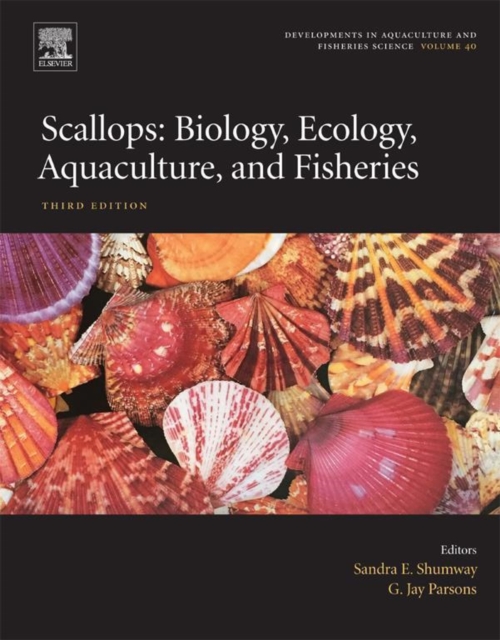
Scallops: Biology, Ecology, Aquaculture and Fisheries, Third Edition, continues its history as the definitive resource on scallops, covering all facets of scallop biology, including anatomy, taxonomy, physiology, ecology, larval biology, and neurobiology.
Marketing Sugar and Other Sweeteners was written to fill a large void of literature on the marketing aspects of an important sector of the food market.
This book deals in detail with all aspects of hop growing, hop cone handling, drying, storage and processing into hop products and preparations, and with their utilization in the brewing industry.
Protected designation of origin (PDO) taken together with other geographical indicators, such as protected geographical indication (PGI) and traditional specialty guaranteed (TSG), offer the consumer additional guarantees on the quality and authentication of foods.
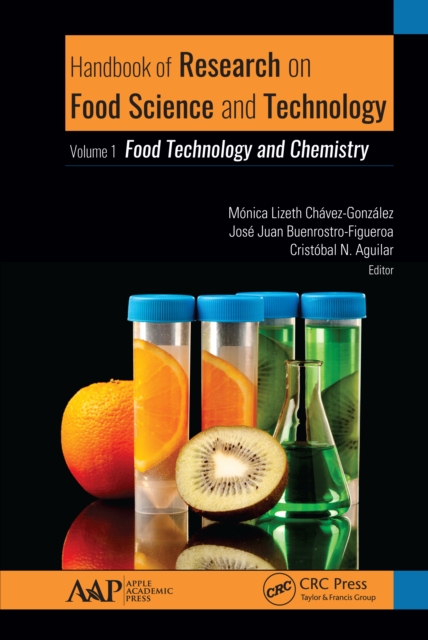
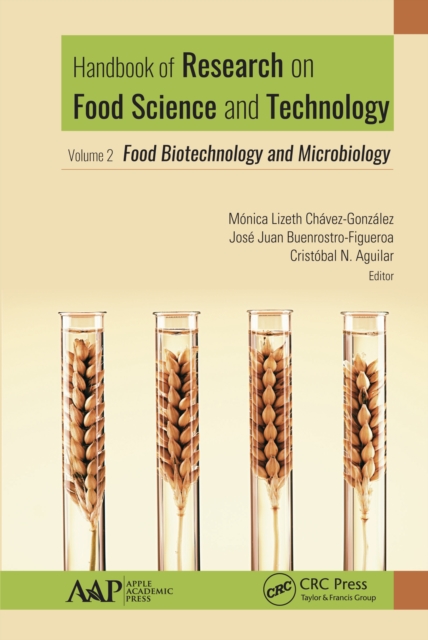
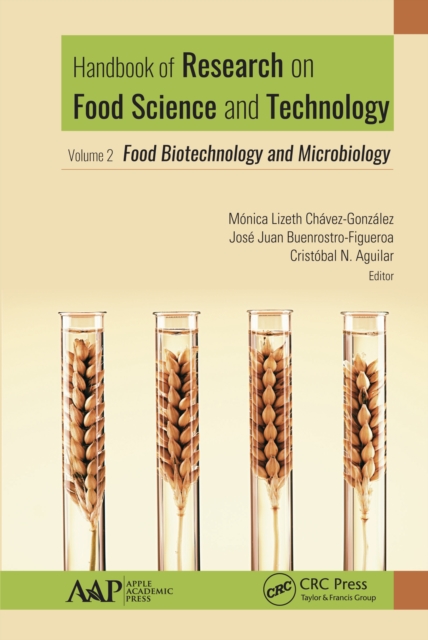
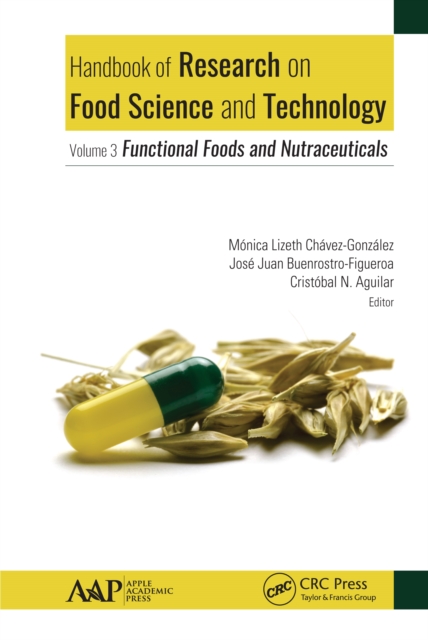
This Handbook of Research in Food Science and Technology consists of three volumes focusing on food technology and chemistry, food biotechnology and microbiology, and functional foods and nutraceuticals.
This Handbook of Research in Food Science and Technology consists of three volumes focusing on food technology and chemistry, food biotechnology and microbiology, and functional foods and nutraceuticals.
This handbook series consists of three volumes focusing on food technology and chemistry, food biotechnology and microbiology, and functional foods and nutraceuticals.
This handbook series consists of three volumes focusing on food technology and chemistry, food biotechnology and microbiology, and functional foods and nutraceuticals.
The three volumes in this handbook highlight new research and current trends in food science and technology, looking at the most recent innovations, emerging technologies, and strategies focusing on taking food design to sustainable levels.
The three volumes in this handbook highlight new research and current trends in food science and technology, looking at the most recent innovations, emerging technologies, and strategies focusing on taking food design to sustainable levels.
With this book, students are able to perform experiments and then make observations that they will frequently see in the kitchen and other food preparation and processing areas and learn the science behind these phenomena.
With this book, students are able to perform experiments and then make observations that they will frequently see in the kitchen and other food preparation and processing areas and learn the science behind these phenomena.
Focusing on the importance of functional foods and their secondary metabolites for human health, this volume presents new insights with scientific evidence on the use of functional foods in the treatment of certain diseases.
Focusing on the importance of functional foods and their secondary metabolites for human health, this volume presents new insights with scientific evidence on the use of functional foods in the treatment of certain diseases.
Written by experts from all over the world, the book comprises the latest applications of mathematical and models in food engineering and fermentation.
Written by experts from all over the world, the book comprises the latest applications of mathematical and models in food engineering and fermentation.
This book covers the latest developments and advances in spray drying and describes how they impact the basic aspect of designing and operating spray dryers.
This book covers the latest developments and advances in spray drying and describes how they impact the basic aspect of designing and operating spray dryers.
Essentials & Applications of Food Engineering provides a comprehensive understanding of food engineering operations and their practical and industrial utility.
Essentials & Applications of Food Engineering provides a comprehensive understanding of food engineering operations and their practical and industrial utility.
This new volume, Nanotechnology Applications in Dairy Science, is designed to provide new insight into the utilization of nanotechnology in dairy science and food science.
This new volume, Nanotechnology Applications in Dairy Science, is designed to provide new insight into the utilization of nanotechnology in dairy science and food science.
This new book deals with recent advanced research on natural products and health-promoting foods that work to reduce the risk of diseases while enhancing overall well-being.