This book explores the underlying mechanics of how small, low-stakes agreements accumulate into purchasing decisions-examining why the path to a significant commitment rarely begins with a bold ask, but rather with a deliberate sequence of incremental yeses that build trust, reduce friction, and establish momentum.
When financial analysts want to predict the next catastrophic market crash, they typically obsess over yield curves, interest rates, and employment data.
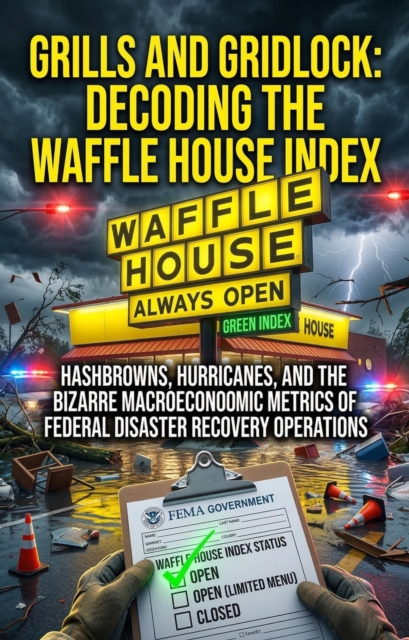
When a catastrophic hurricane tears through the American South, the Federal Emergency Management Agency (FEMA) does not immediately check the stock market or the power grid to gauge the devastation.
The complete and practical guide to one of the hottest topics in quantitative finance Deep learning, that is, the use of deep neural networks, is now one of the hottest topics amongst quantitative analysts.
Bares Geld sparen und Versicherungslucken schlieenViele Deutsche sind schlecht versichert entweder mit teuren, unnotigen Policen oder aufgrund gefahrlicher Schutzlucken.
"e;Canvas and Crash"e; offers a provocative analysis of how fine art has been transformed from a cultural object into a highly financialized asset class.
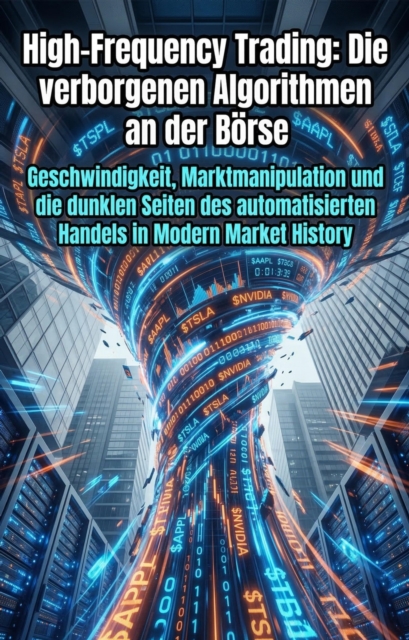
Der moderne Aktienmarkt wird nicht mehr von schreienden Handlern auf dem Parkett dominiert, sondern von ultraschnellen Computern und komplexen Algorithmen.
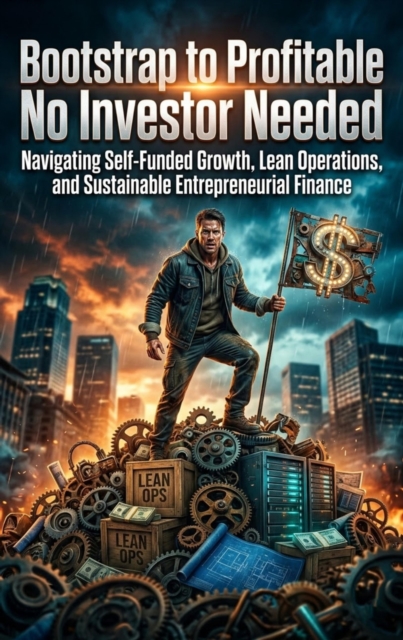
This book explores the underlying dynamics of building a profitable business without external capital-examining how the constraints of bootstrapping, rather than limiting growth, can sharpen strategic thinking, accelerate operational discipline, and cultivate a more sustainable foundation than investor-funded alternatives often permit.
This book explores the concealed limitations of the billable hour-examining how a model designed to quantify professional value systematically caps the very growth it appears to reward.
This book explores the concealed mechanics behind purchasing decisions-examining why buyers rarely act on logic alone, and how emotional, social, and contextual forces shape the moment of commitment far more than price or product features.
The global financial system operates on a very specific, unquestioned assumption: that the vast reserves of oil, coal, and gas owned by major energy corporations will eventually be extracted, sold, and burned.