The global agri-food system faces critical challenges from climate change, evolving consumer demands, sustainability needs, and economic uncertainties.
Dietary, Sensory and Gastronomic Applications: Exploring Unconventional Food Sources Volume 2, showcases how untapped food sources can be harnessed for product development.
Evolving dietary preferences, increasing concerns over food security and a growing awareness of the negative impact traditional food production practices have on the environment, have caused a major shift in the food landscape.
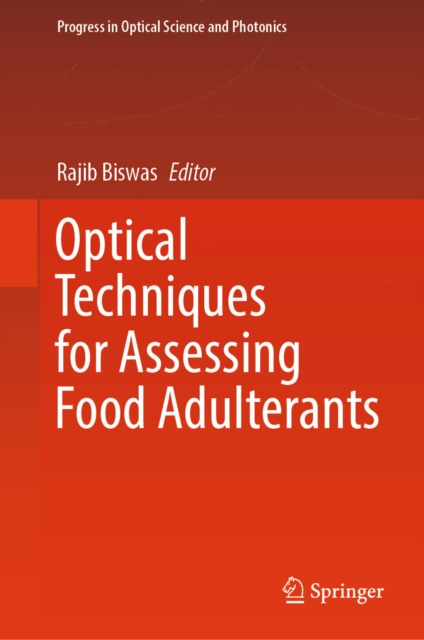
This book explores the latest advancements in optical probe technology, their theoretical foundations, and practical applications in ensuring food safety.
The edited book follows a systematic and situation-sensitive approach for discussing the socio-ecological, economic, cultural, and traditional perspectives of using and promoting wild edibles.
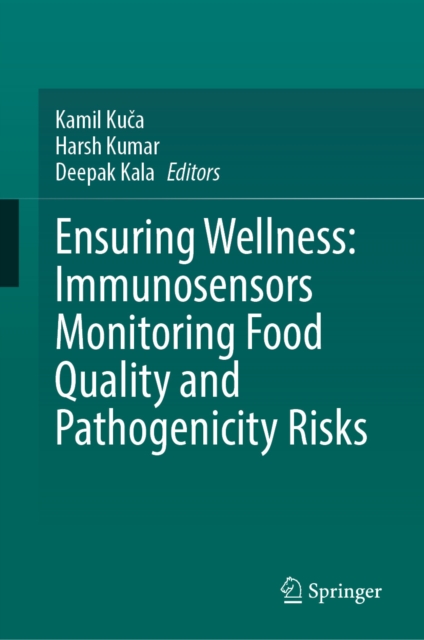
With the prevalence of foodborne pathogens on the rise, the food industry faces an urgent need for novel and rapid detection techniques, with an emphasis on early surveillance and detection.
The use of dates in non-traditional food products and their by-products for nutritional supplements has been practiced for centuries in many regions across the globe.
This book explores the latest advancements in optical probe technology, their theoretical foundations, and practical applications in ensuring food safety.
With the prevalence of foodborne pathogens on the rise, the food industry faces an urgent need for novel and rapid detection techniques, with an emphasis on early surveillance and detection.
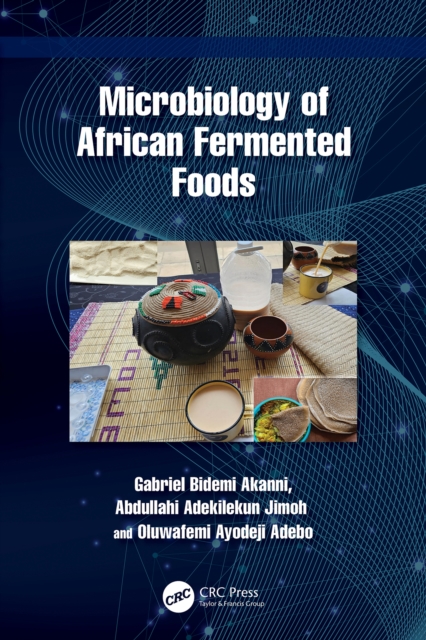
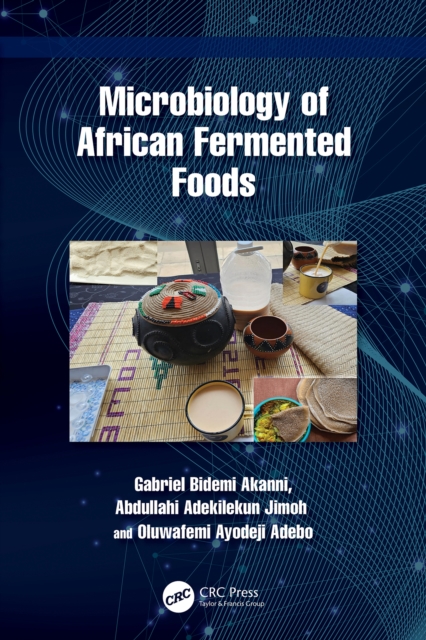
Fermented food products play a unique and critical role in the daily lives of inhabitants of the African continent, serving as a primary source of diet, providing nutrients and supplying health-promoting benefits, with some having cultural and spiritual connotations.
Fermented food products play a unique and critical role in the daily lives of inhabitants of the African continent, serving as a primary source of diet, providing nutrients and supplying health-promoting benefits, with some having cultural and spiritual connotations.
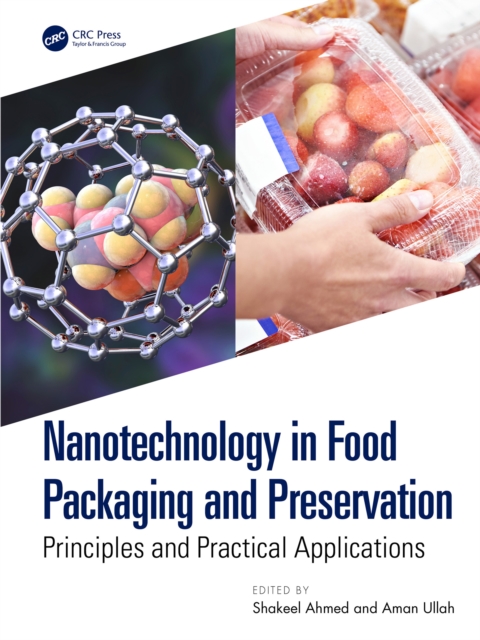
This book provides a comprehensive overview of the use of nanotechnology in food preservation, food packaging, and the development of novel preservation methods.
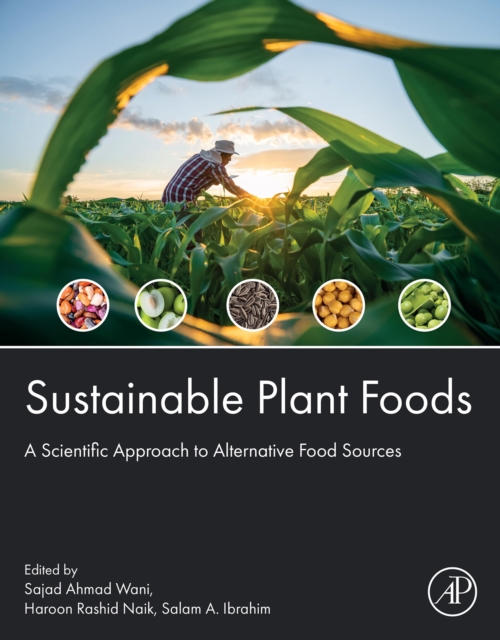
Sustainable Plant Foods: A Scientific Approach to Alternative Food Sources delves into plant-based nutrition and its transformative potential for human health and the environment.
This book provides a comprehensive overview of the use of nanotechnology in food preservation, food packaging, and the development of novel preservation methods.
This groundbreaking book explores cutting-edge AI applications—from disease detection in crops to yield prediction and food quality classification—empowering farmers, researchers, and policymakers to build a more resilient and sustainable food system.
This book covers the most important plants-based byproducts including the extraction of bioactive compounds, phytochemistry and biological activities of different bioactive compounds present in these byproducts plus the industrial utilization of these byproducts.
The proliferation of nanotechnology in agriculture, food processing, storage and distribution has allowed for improvements in safety and nutritional preservation across various stages of processing.
The proliferation of nanotechnology in agriculture, food processing, storage and distribution has allowed for improvements in safety and nutritional preservation across various stages of processing.
This book offers a comprehensive overview of marine polysaccharides, detailing their preparation, characterization, and evaluation, along with their wide-ranging applications in drug delivery, biomedical science, and food technology.
This groundbreaking book explores cutting-edge AI applications—from disease detection in crops to yield prediction and food quality classification—empowering farmers, researchers, and policymakers to build a more resilient and sustainable food system.
This book covers the most important plants-based byproducts including the extraction of bioactive compounds, phytochemistry and biological activities of different bioactive compounds present in these byproducts plus the industrial utilization of these byproducts.
Lincolnshire's rich history of brewing is perhaps no surprise as the county has long been a producer of huge quantities of barley, a key ingredient in beer.
The aim of this volume is to provide food scientists, biotechnologists and biochemists with a compilation of protocols focused on the extraction of bioactive compounds from fungi.
The aim of this volume is to provide food scientists, biotechnologists and biochemists with a compilation of protocols focused on the extraction of bioactive compounds from fungi.
This book explores the intersection of biosciences, artificial intelligence (AI), and information technology (IT), highlighting their potential to drive innovation in biomedicine and health, particularly in the context of pandemic resiliency and human longevity.
This book explores the intersection of biosciences, artificial intelligence (AI), and information technology (IT), highlighting their potential to drive innovation in biomedicine and health, particularly in the context of pandemic resiliency and human longevity.
This book offers a comprehensive overview of marine polysaccharides, detailing their preparation, characterization, and evaluation, along with their wide-ranging applications in drug delivery, biomedical science, and food technology.
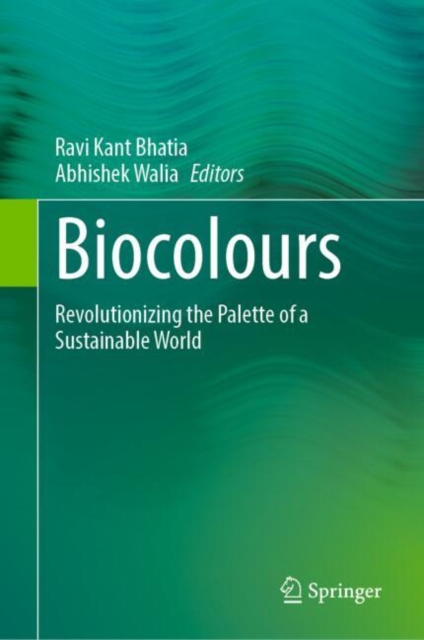
The book discusses the transformative power of natural pigments derived from biological sources to combat the environmental and health challenges posed by synthetic dyes.