Ensure that you have a robust system in place that identifies the source (time and place) of all incoming materials, records how they were mixed, and identifies when and where they were dispatched, so that appropriate action can be taken in the event of a problem.
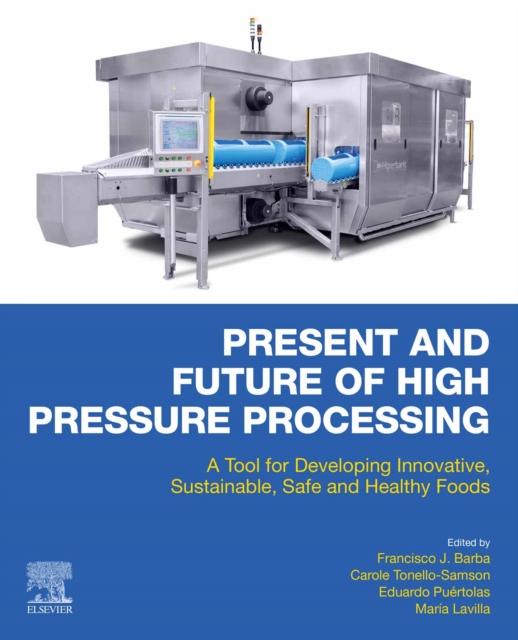
Developed for academic researchers and for those who work in industry, Present and Future of High Pressure Processing: A Tool for Developing Innovative, Sustainable, Safe, and Healthy Foods outlines innovative applications derived from the use of high-pressure processing, beyond microbial inactivation.
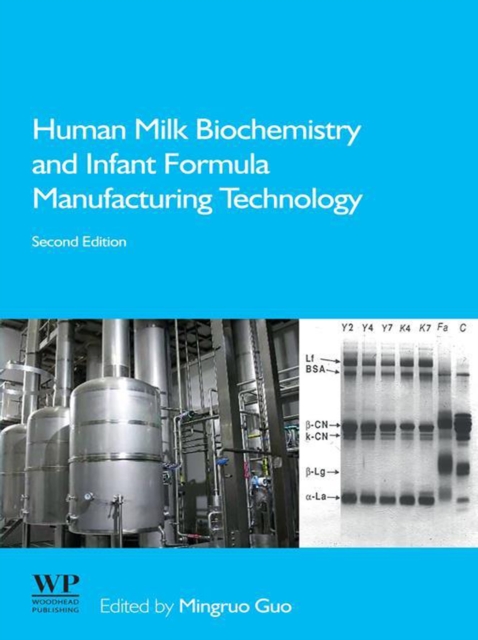
Human Milk Biochemistry and Infant Formula Manufacturing Technology, Second Edition covers the history of bottle feeding, its advantages and disadvantages when compared with breast-feeding, human milk biochemistry, trends and new developments in infant formula formulation and manufacturing, and best practices in infant formula processing technology and quality control.
Meat Analogs: Challenges and Perspectives provides an overview on the subject that is followed by an inventory of research perspectives to highlight the importance of issues and research relating to meat analogs.
Aging: Oxidative Stress and Dietary Antioxidants bridges the trans-disciplinary divide and covers in a single volume the science of oxidative stress in aging and the potentially therapeutic use of natural antioxidants in the diet or food matrix.
Applications of Genetic and Genomic Research in Cereals covers new techniques for practical breeding, also discussing genetic and genomic approaches for improving special traits.
The Craft Brewing Handbook: A Practical Guide to Running a Successful Craft Brewery covers the practical and technical aspects required to set up and grow a successful craft brewing business.
Innovative Technologies for Food Preservation: Inactivation of Spoilage and Pathogenic Microorganisms covers the latest advances in non-thermal processing, including mechanical processes (such as high pressure processing, high pressure homogenization, high hydrodynamic pressure processing, pressurized fluids); electromagnetic technologies (like pulsed electric fields, high voltage electrical discharges, Ohmic heating, chemical electrolysis, microwaves, radiofrequency, cold plasma, UV-light); acoustic technologies (ultrasound, shockwaves); innovative chemical processing technologies (ozone, chlorine dioxide, electrolysis, oxidized water) and others like membrane filtration and dense phase CO2.
Case Studies in Food Retailing and Distribution aims to close the gap between academic researchers and industry professionals through the presentation of 'real world' scenarios and the application of field-based research.
Food Neophobia: Behavioral and Biological Influences brings together academic and applied studies to give a comprehensive overview of this topic in both sensory and consumer science and pediatric psychology.
Preparation and Processing of Religious and Cultural Foods covers the production and processing of foods from major religions, focusing on the intersection of religion, science and cultural perceptions in the production and processing of modern religious and vegetarian foods.
Breeding Sorghum for Diverse End Uses is a comprehensive overview of all significant global efforts for the genetic improvement of sorghum, a major crop of many semi-arid nations that is suitable for a huge range of uses, from human food, to biofuels.
Soft Drinks and Fruit Juice Problems Solved, Second Edition, follows the innovative question and answer format of the first edition, presenting a quick problem-solving reference.
Crystallization and Crystallizers, part of the Industrial Equipment for Chemical Engineering set, defines how to perform the selection and calculation of equipment needed in the basic operations of process engineering, offering reliable and simple methods, with this volume providing a comprehensive focus on crystallization and crystallizers.
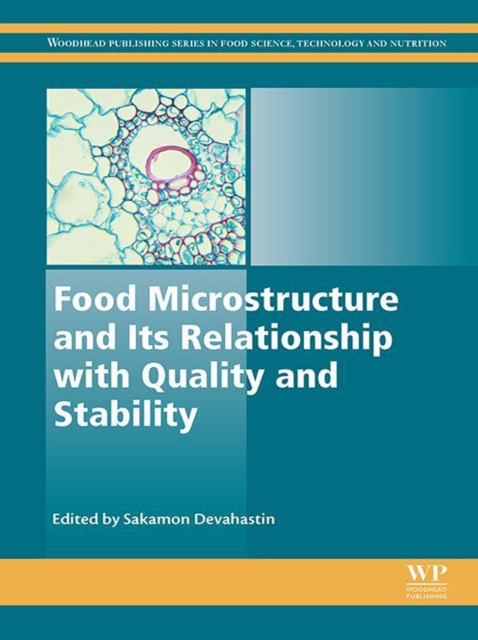
Food Microstructure and Its Relationship with Quality and Stability is a comprehensive overview of the effects that the properties of the underlying structures of food have on its perceived quality to the consumer.
Methods for Consumer Research, Volume Two: Alternative Approaches and Special Applications brings together world leading experts in global consumer research who provide a fully comprehensive state-of-the-art coverage of emerging methodologies and their innovative application.
Methods for Consumer Research, Volume One: New Approaches to Classic Methods brings together world leading experts in global consumer research who provide a fully comprehensive state-of-the-art coverage of advances in the classical methods of consumer science.
Consumer Science and Strategic Marketing: Case Studies in the Traditional Food Sector aims to close the gap between academic researchers and industry professionals through real world scenarios and field-based research.
Discrimination Testing in Sensory Science: A Practical Handbook is a one-stop-shop for practical advice and guidance on the performance and analysis of discrimination testing in sensory science.
Covering all aspects of sensory panel management, this volume describes the different types of sensory panels (for example panels for quality control, descriptive analysis and discrimination tests), discusses the issues involved with sensory testing, and gives detailed information about sensory panel recruitment, training and on-going management.
Individual Differences in Sensory and Consumer Science: Experimentation, Analysis and Interpretation presents easily readable, state-of-the-art coverage on how to plan and execute experiments that give rise to individual differences, also providing the framework for successful analysis and interpretation of results.
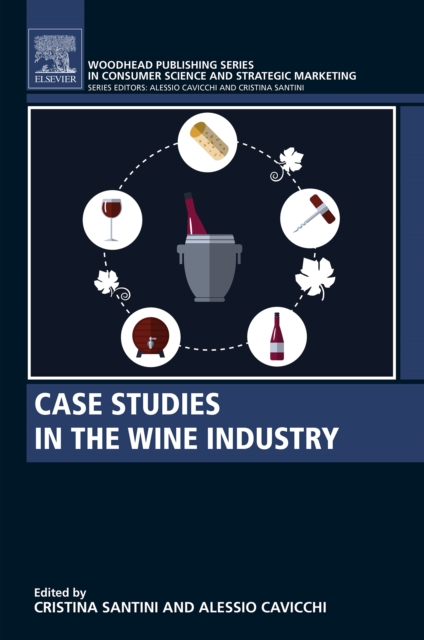
Case Studies in the Wine Industry aims to close the gap between academic researchers and industry professionals through real world scenarios and field-based research.
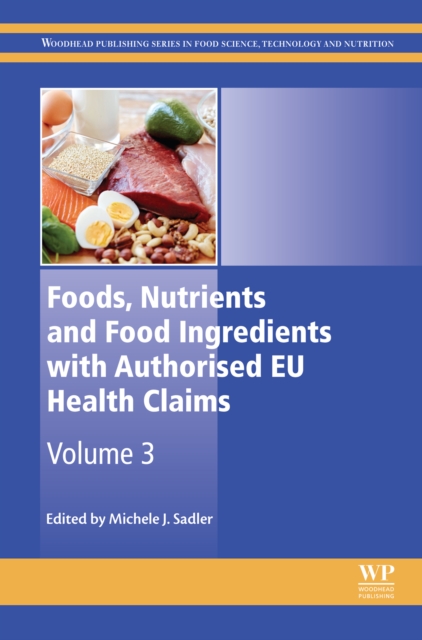
Foods, Nutrients and Food Ingredients with Authorized EU Health Claims, Volume Three, provides an overview of how health claims are regulated in the European Union, along with detailed scientific and regulatory information about permitted health claims for foods and ingredients.
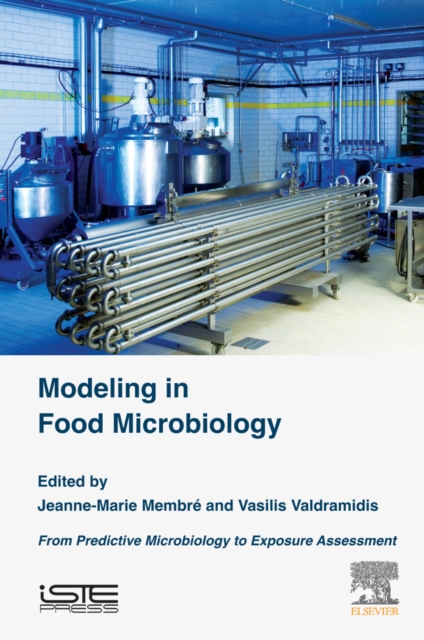
Predictive microbiology primarily deals with the quantitative assessment of microbial responses at a macroscopic or microscopic level, but also involves the estimation of how likely an individual or population is to be exposed to a microbial hazard.
Poultry Quality Evaluation: Quality Attributes and Consumer Values provides a new reference source that covers these aspects with the same scientific authority as texts on traditional poultry meat quality values.
Lawrie's Meat Science, Eighth Edition, provides a timely and thorough update to this key reference work, documenting significant advances in the meat industry, including storage and preservation of meat, the eating quality of meat, and meat safety.
New Aspects of Meat Quality: From Genes to Ethics provides a reference source that covers what constitutes meat quality in the minds of consumers, marketers, and producers in the 21st century, using the same scientific authority as texts on traditional meat quality values.
Kent's Technology of Cereals: An Introduction for Students of Food Science and Agriculture, Fifth Edition, is a classic and well-established book that continues to provide students, researchers and practitioners with an authoritative and comprehensive study of cereal technology.
The Microwave Processing of Foods, Second Edition, has been updated and extended to include the many developments that have taken place over the past 10 years.
Food Processing Technology: Principles and Practice, Fourth Edition, has been updated and extended to include the many developments that have taken place since the third edition was published.
Lactose-Derived Prebiotics: A Process Perspective is the first scientific reference to provide a comprehensive technological overview of the processes to derive oligosaccharides from dairy for use in functional foods.
The Microbiological Quality of Food: Foodborne Spoilers specifically addresses the role of spoilers in food technology and how they affect the quality of food.
Advances in Food Rheology and Its Applications presents the latest advances in the measurement and application of food rheology, one of the most important tools for food companies when characterizing ingredients and final products, and a predictor of product performance and consumer acceptance.