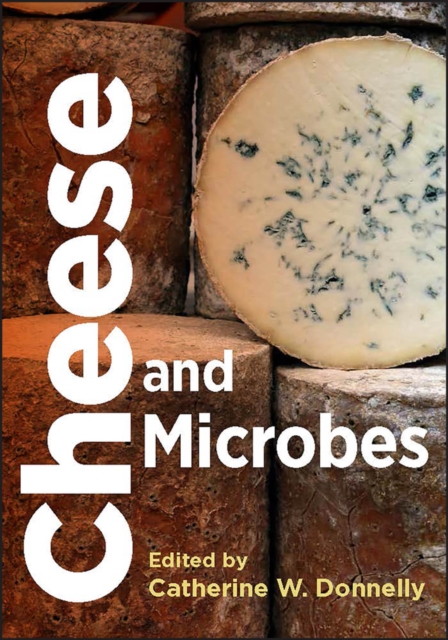
A scientific overview of the association of microbes with cheese, through the lens of select cheese varieties that result due to surface mold ripening, internal mold ripening, rind washing, cave aging, or surface smear rind development.
Examining the enormous potential of microbiome manipulation to improve health Associations between the composition of the intestinal microbiome and many human diseases, including inflammatory bowel disease, cardiovascular disease, metabolic disorders, and cancer, have been elegantly described in the past decade.
Since its introduction in 1997, the purpose of Food Microbiology: Fundamentals and Frontiers has been to serve as an advanced reference that explores the breadth and depth of food microbiology.
With the growing concern for the environment and the rising price of crude oil, there is increasing demand for non-petroleum-based polymers from renewable resources.
After reports of adverse events associated with energy drink consumption, including trouble sleeping, anxiety, cardiovascular events, seizures, and even death, concerns have been raised about their safety and efficacy.
People today are more concerned about their health and are looking to consume food products that serve both nutritional purposes and help prevent modern life-style diseases.
In the 1970s and 80s, the brewing industry shifted was from large corporate suppliers to smaller, independent microbrewers, typified by producers such as the Boston Beer Company and Sierra Nevada Brewing Company.
Handbook of Lipids in Human Function: Fatty Acids presents current research relating to health issues whose impact may be modified by adopting personalized diets and lifestyle interventions of the consumption of fatty acids.
Peanuts: Genetics, Processing, and Utilization (Oilseed Monograph) presents innovations in crop productivity and processing technologies that help ensure global food security and high quality peanut products.
The market is flooded with products posing as elixirs, supplements, functional foods, and olive oil alternatives containing phenols obtained from multiple olive sources.
Practical Guide to Vegetable Oil Processing, Second Edition, includes an up-to-date summary of the basic principles of edible oil refining, processing, and deodorizing, serving as a hands-on training manual for chemists, engineers, and managers new to the industry.
Oxidative Stability and Shelf Life of Foods Containing Oils and Fats focuses on food stability and shelf life, both important factors in the improvement and development of food products.
In an effort to provide alternatives to trans and saturated fats, scientists have been busy modifying the physical properties of oils to resemble those of fats.
Starch Industries: Processes and Innovative Products in Food and Non-Food Uses is the third volume of the "e;Underground Starchy Crops of South American Origin"e; book series.
Over the last several years developing human research suggests that a component of omega-3 fatty acids, long chain ones, contribute particularly to health benefits.
The role of Bioactive Dietary Factors and Plant Extracts in Preventive Dermatology provides current and concise scientific appraisal of the efficacy of foods, nutrients, herbs, and dietary supplements in preventing dermal damage and cancer as well as improving skin health.
Nutrition in Kidney Disease, Second Edition addresses the relationships between nutrition and (1) normal kidney function and disease, (2) the progressiveness of chronic kidney disease (CKD) and strategies to prevent further compromise, and (3) the treatment and management of kidney failure especially during medical crises, such as acute kidney injury and its consequent nutritional therapies (e.
Engineering Aspects of Food Quality and Safety aims to fill the knowledge gap in current technological advances and methods for food safety and quality, dedicating entire sections to analytical techniques from quality testing to packaging, post-harvest methods from product utilization to storage to chemical engineering principles and pre-harvest interventions from genetic engineering and mechanization to the links between pre-and-post harvest techniques.
The fifth edition of the Essential of Food Science text continues its approach of presenting the essential information of food chemistry, food technology, and food preparations while providing a single source of information for the non-major food science student.
Food Safety Management: A Practical Guide for the Food Industry, Second Edition continues to present a comprehensive, integrated and practical approach to the management of food safety throughout the production chain.
Colorimetric Sensors: Techniques to Measure Food Safety and Quality explores the latest advancements in colorimetric sensors/indicators and their applications.
Now going into its third much-expanded edition, the highly praised Nutritional Health: Strategies for Disease Prevention has been brought fully up to date to include all the new thinking and discoveries that have the greatest capacity to improve human health and nutritional advancement.
Chocolate in Health and Nutrition represents the first comprehensive compilation of the newest data on the actions of the flavonoids and microorganisms associated with the beneficial effects of chocolate.
This book introduces the Chinese boletes, including the history, ecological and economic values, as well as the geographical distribution patterns with a highlight on the Tylopilus species.
Hashimoto Kochbuch: 500 Rezepte für mehr Energie, Vitalität und Wohlbefinden (Köstliche Gerichte zur Unterstützung deiner Schilddrüse – alltagstauglich, schnell und perfekt für Berufstätige)Als Ernährungsberaterin weiß ich, wie entscheidend eine gezielte Ernährung bei Hashimoto sein kann.
Nitrite and Nitrate in Human Health and Disease delivers a comprehensive review of nitrite and nitrate biology, from basic biochemistry to the complex physiology and metabolism of these two naturally occurring molecules in the human body.
Wild wines around the world have been created since the dawn of time, with nearly every civilization and culture on earth developing their own means of fermenting and distilling various fruits and grains into aromatic, strong spirited drinks that have graced the tables of kings and peasants alike.